


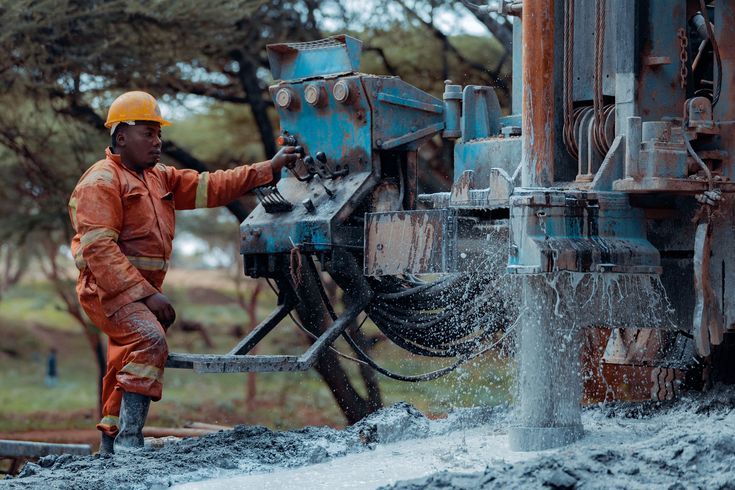
Factors to Consider When Hiring a Licensed Borehole Drilling Company in Kenya
Drilling a borehole is one of the most valuable long-term investments for homes, farms, businesses, and institutions in Kenya. With the rising demand for reliable water sources, more property owners are turning to boreholes as a sustainable solution. However, the success, safety, and efficiency of your borehole depend heavily on the drilling company you hire.
Choosing the right contractor is not just about affordability—it is about expertise, licensing, professionalism, compliance with regulations, and long-term reliability. A poorly drilled borehole can lead to low water yield, pump failures, contamination, repeated repairs, or even complete collapse. That’s why hiring a licensed and reputable drilling company is crucial.
Below are key factors to consider when hiring a licensed borehole drilling company in Kenya.
1. Licensing and Registration
The first step is ensuring the company is fully licensed to operate in Kenya. Legitimate borehole drilling companies must comply with several regulatory bodies, including:
Water Resources Authority (WRA)
National Environment Management Authority (NEMA)
Hydrogeological experts registered with the relevant professional bodies
A licensed company will:
Conduct proper hydrogeological surveys
Apply for drilling permits
Ensure environmental compliance
Follow the required technical standards
Hiring an unlicensed contractor risks penalties, poor workmanship, and potential closure of your borehole by authorities.
2. Experience and Technical Expertise
Borehole drilling is a complex process that requires deep technical understanding of:
Geological formations
Aquifer behavior
Pump installation
Borehole design
Environmental protection
Choose a company with several years of experience, proven technical skills, and a portfolio of completed projects. Experienced contractors are better equipped to handle challenges such as rocky formations, collapsing walls, or low-yield aquifers.
3. Availability of Modern Drilling Equipment
The quality and condition of drilling equipment significantly affect:
Drilling speed
Borehole accuracy
Final borehole depth and diameter
Safety of the entire operation
A reputable company should have:
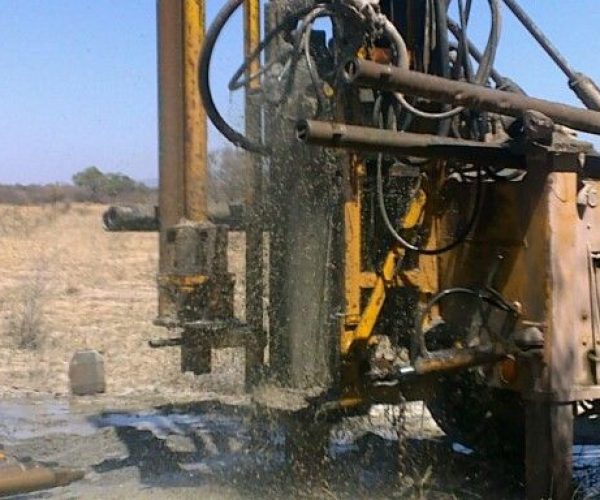
Well-maintained drilling rigs
Proper compressors (high-pressure or down-the-hole)
Mud pumps
Casing equipment
Survey tools
Outdated, poorly maintained equipment often leads to delays, breakdowns, and substandard boreholes.
4. Hydrogeological Survey Expertise
Before any drilling begins, a hydrogeological survey is mandatory. This survey determines:
The best drilling point
Expected water yield
Rock formations
Recommended borehole depth
Pump size and installation requirements
Ensure the company works with qualified and accredited hydrogeologists who provide accurate survey reports. A good survey reduces drilling risks, prevents dry wells, and ensures compliance with WRA regulations.
5. Transparent Quotation and Pricing
Costs vary depending on location, depth, geological conditions, and equipment used. A reliable company should provide a detailed quotation that covers:
Mobilization and demobilization
Drilling per meter rates
Casing and gravel packing
Development and test pumping
Water analysis
Pump installation (if included)
Permit fees (if they handle the process)
Avoid contractors who offer suspiciously low prices—they often cut corners, use poor-quality materials, or fail to complete projects.
6. Reputation and Client Reviews
Always check the company’s reputation. Look for:
Online reviews
Testimonials
Project photos or videos
Referrals from previous clients
Professional presence (website, social media, documentation)
A company with consistent positive feedback is more likely to deliver quality work. Be cautious of companies with no traceable history or those that cannot offer references.
7. Use of Quality Materials
The durability of your borehole depends on the materials used during installation. Ensure the company uses:
High-quality PVC or steel casings
Proper gravel filters
Durable borehole caps
Approved sanitary seals
Certified pumps and accessories
Cheap materials often lead to collapsing boreholes, contamination, and frequent pump failures.
8. Compliance With Health, Safety, and Environmental Standards
Borehole drilling involves heavy machinery, high-pressure equipment, and environmental sensitivity. A reliable company should have:
Safety protocols
Trained technicians
Proper protective gear
Environmental protection measures
Waste management procedures
This ensures safe drilling operations and minimizes ecological disturbances.
9. After-Sales Support and Maintenance
Borehole systems require ongoing care. A good drilling company should offer:
Pump installation
Borehole cleaning
Test pumping
Water quality testing
Long-term maintenance services
Emergency support
Companies that disappear after finishing the job may leave you stranded when issues arise.
10. Written Contract and Guarantee
A formal contract protects both parties. It should clearly outline:
Project scope
Materials to be used
Costs and payment schedule
Drilling depth expectations
Warranty on workmanship
Timelines
Liability and insurance
Trustworthy companies are always willing to put everything in writing.
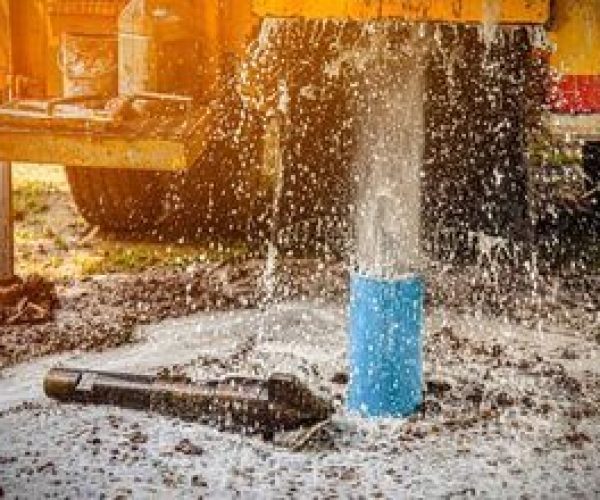
Drilling a borehole in Kenya is a major investment that requires careful planning and the right professional support. By choosing a licensed, experienced, and reputable drilling company, you ensure:
A high-yield, long-lasting water source
Compliance with national regulations
Safety of the drilling process
Value for your money
Reliable water supply for decades
Take your time to evaluate potential contractors, ask questions, and request documentation before signing any agreement.
