Blog

Borehole Drilling Site Safety Protocols

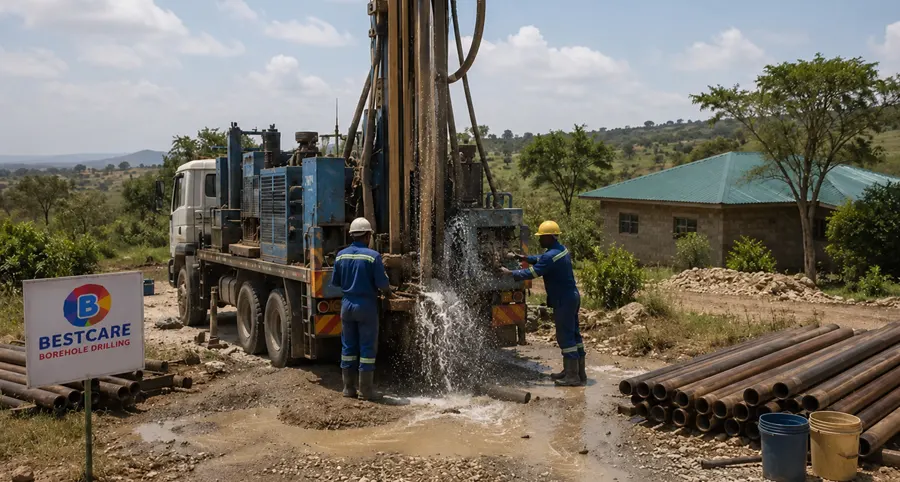
Drilling site safety protocols are the specific, actionable rules and procedures that translate a health and safety policy into daily practice on the ground. Where general safety principles define the what and why, protocols define the how — the step-by-step procedures that workers follow to perform hazardous activities safely. Effective protocols are clear, practical, routinely communicated, and consistently enforced.

Pre-Mobilisation Safety Requirements

Before the rig arrives on site, a series of preparatory safety measures must be in place:

Site Hazard Assessment: A walk-over inspection of the site identifies specific hazards: overhead power lines, underground services, unstable ground, proximity to watercourses, community access points, and any other site-specific risks. These hazards must be assessed and managed before drilling begins.

Overhead and Underground Services: The presence of overhead power lines within the swing radius of the mast or within falling distance presents a serious electrocution risk. If lines cannot be physically relocated, a minimum safe working distance must be established and enforced. Underground utilities (water pipes, fuel lines, electrical cables) should be identified from service records and located on site before any excavation.

Site Establishment: The rig pad should be level and capable of supporting the weight of the drilling rig under all operating conditions. Soft or waterlogged ground must be stabilised. The site perimeter should be defined, and where public access is possible, secure fencing erected.

Emergency Provisions: A first aid kit stocked to the applicable regulatory standard must be on site at all times. Emergency contact numbers (nearest hospital, ambulance service, site management) should be posted conspicuously in the crew shelter or cab. All workers should know the evacuation route and assembly point.

Daily Safety Protocols

Pre-Start Toolbox Talk

Each working day should begin with a brief toolbox talk — a 10–15 minute safety briefing led by the drill supervisor or rig master. The toolbox talk addresses:

  • The specific tasks planned for the day and their associated hazards.
  • Any changes in site conditions (new personnel, weather, equipment changes).
  • Reminders of specific procedures relevant to the day’s activities.
  • Review of any incidents or near-misses from the previous shift.

Toolbox talks should be recorded: date, attendees, and topics covered. These records demonstrate due diligence and help identify whether specific hazards are being consistently communicated.

Pre-Operational Equipment Checks

Before starting the rig each day:

  • Inspect all safety guards: drill string guards, rotating part guards, and elevated platform handrails must be in place and undamaged.
  • Check hydraulic hoses and fittings for leaks or wear.
  • Test emergency stop functionality.
  • Confirm that the drill string area is clear of personnel before rotation begins.
  • Inspect lifting equipment (slings, hooks, shackles) for wear or deformation; any defective lifting gear must be removed from service immediately.

Working Near the Drill String

Entanglement with the rotating drill string is one of the most serious hazards on a drilling site. Strict protocols apply:

  • No loose clothing, scarves, or jewellery near the rotating string.
  • Long hair must be tied back and covered.
  • No one stands within the designated exclusion zone while the string is rotating.
  • Only the driller and authorised personnel are permitted on the rig floor during drilling.
  • All drill rod make-up and break-out operations use properly maintained tongs and safety clamps — never improvised tools.

Lifting Operations

Drill rods, casing sections, and pump assemblies must be lifted using rated, inspected equipment. Specific lifting protocols include:

  • All lifts planned in advance; the weight of the load confirmed before rigging.
  • No personnel under a suspended load at any time.
  • A designated signaller guides the crane or winch operator during all lifts.
  • Tag lines used to control swing on heavy loads.
  • Casing sections secured with casing clamps before being released from the hoisting equipment.

Chemical Handling Protocols

Drilling Additives

Drilling additives (polymers, foam agents, lubricants) should be handled with gloves and eye protection. Safety Data Sheets (SDS) for all chemicals used must be on site and accessible to all workers.

Acid Treatments

Where acid is used for borehole development or rehabilitation:

  • Acid must be handled only by trained personnel wearing full chemical-resistant PPE: acid-resistant gloves, apron, face shield, and eye wash immediately available.
  • Acid should never be transported in open containers.
  • Acid must always be added to water, never water to acid.
  • Spent acid must be neutralised before disposal; dispose of neutralised waste in a designated area, never into the borehole environment or watercourse.

Chlorine

Chlorine for disinfection (hypochlorite solutions) must be stored away from direct sunlight and heat, handled with gloves and eye protection, and never mixed with acid or other chemicals.

Incident and Near-Miss Reporting

Every site must have a functioning incident reporting system. Workers must be actively encouraged — and must never be discouraged or penalised — for reporting near-misses and minor incidents. An environment in which workers fear blame for honest reporting is an environment where major incidents are incubating silently.

Following any incident, a simple investigation identifies the immediate cause, the underlying contributing factors, and the corrective action required. The objective is learning and prevention, not punishment.

Visitor Management

Drilling sites attract curiosity. Community members, local officials, and the client’s representatives regularly visit. All visitors must:

  • Be registered on arrival.
  • Receive a site safety induction before entering the working area.
  • Be accompanied by a site representative at all times.
  • Wear the minimum required PPE for the area they are visiting.

Children must not be permitted on active drilling sites under any circumstances.

Borehole Safety & Environment: The Safety Case for Borehole Drilling

Borehole drilling is a high-risk industrial activity conducted in remote or peri-urban environments, often with limited access to emergency services and in close proximity to communities. The environmental footprint of drilling — noise, fluid discharge, soil disturbance, waste generation — can affect local ecosystems and livelihoods if not managed carefully. A commitment to safety and environmental responsibility is not just a regulatory obligation; it is a fundamental condition of ethical project delivery.

The Safety Case for Borehole Drilling

Drilling operations involve heavy machinery, high-pressure fluids, deep holes in the ground, lifted loads, and rotating equipment. The combination creates a work environment where a momentary lapse in attention or procedure can cause serious injury or death. Common hazards include:

  • Rotating equipment entanglement: Unguarded drill strings and kelly drives can catch clothing or limbs with catastrophic consequences.
  • Falling objects: Drill rods, casing sections, and tools being handled at height present serious risks to workers below.
  • High-pressure systems: Air compressor systems and drilling fluid circuits operate at pressures that can cause severe injury if lines fail or are improperly disconnected.
  • Borehole collapse: An unstable borehole can collapse suddenly, trapping or damaging equipment — and creating a serious hazard at the surface.
  • Chemical exposure: Drilling additives, acids used in development, and chlorine used in disinfection are hazardous substances requiring proper handling and PPE.
  • Vehicle and plant movement: Heavy rigs and support vehicles on site create collision hazards, particularly in confined or poorly controlled site layouts.

Health and Safety Management Framework

Legal Obligations

Drilling contractors have legal responsibilities under national occupational health and safety legislation to provide a safe working environment. Clients who direct or supervise drilling operations may also carry legal duties. Understanding the applicable legal framework in the operating country is a prerequisite for project planning.

Health and Safety Plan

Before drilling commences, the contractor should prepare and submit a site-specific health and safety plan that addresses:

  • Hazard identification and risk assessment for all site activities.
  • Emergency response procedures: accident response, medical evacuation routes, and communication protocols.
  • Personal protective equipment (PPE) requirements for all personnel on site.
  • Site induction process for all workers and visitors.
  • Toolbox talk schedule: regular brief safety briefings addressing the specific hazards of current activities.
  • Incident reporting procedure: all near-misses, injuries, and dangerous occurrences to be reported, investigated, and recorded.

Personal Protective Equipment

Minimum PPE requirements on a drilling site include:

  • Hard hats (helmets) for all personnel near the rig.
  • Steel-capped boots.
  • High-visibility vests for all personnel in the vicinity of moving plant.
  • Eye and hearing protection near the drill string and compressor.
  • Chemical-resistant gloves and eye protection when handling acids, biocides, or chlorine.
  • Respiratory protection when working with fine dusts, diesel fumes in confined spaces, or chemical vapours.

Site Layout and Access Control

The drilling site should be laid out to separate the hazardous working area (the rig floor and immediate surrounds) from the area occupied by supervisors, support staff, and visitors. Physical barriers, cones, or tape should define the exclusion zone around the operating rig. Access to the exclusion zone should be restricted to essential personnel wearing full PPE.

Environmental Management

Drilling Fluid and Cuttings Management

Drilling fluids — whether water, air, or mud-based systems — carry rock cuttings and formation materials to the surface and must be managed on site. A well-designed site includes:

  • Cuttings pits or settling tanks to contain and allow settling of solids before disposal or discharge.
  • Containment bunding around chemical storage areas to prevent spills reaching soil or watercourses.
  • Proper disposal of used drilling mud in designated areas, not discharged to open ground or water bodies.

Fuel and Chemical Storage

Diesel fuel, hydraulic oil, lubricants, and chemical additives must be stored in bunded containment structures that prevent any spill from reaching soil or groundwater. Fuelling operations should take place on impermeable surfaces with spill kits readily available.

Noise and Community Impact

Drilling rigs — particularly air percussion systems — are noisy. Where drilling is conducted near residential areas, operating hours should be restricted to agreed times, and noise levels monitored. Community communication about expected drilling duration and any disruption keeps relationships constructive.

Habitat and Surface Disturbance

Site access roads, excavations, and the rig footprint disturb surface vegetation and soil. Reinstatement of disturbed areas to their original condition (or better) should be included in the scope of work. Topsoil stripped during site preparation should be stockpiled separately and replaced during reinstatement.

Safety and Environmental Reporting

All safety incidents — including near-misses — and any environmental breach should be reported immediately to the project manager and documented in a formal incident report. Near-miss reporting is particularly valuable: near-misses are warnings of systems failures that, if not corrected, will eventually result in an actual injury or damage event. A culture in which near-misses are openly reported and investigated — rather than concealed to avoid blame — is the hallmark of a mature safety management system.

Borehole Project Timeline & Supervision

A borehole project without a realistic timeline and active supervision is a project waiting to go wrong. Timeline management ensures that activities are sequenced correctly, resources are available when needed, and commitments to clients and communities are met. Supervision ensures that what is specified in the contract is actually what is constructed underground. Together, they are the two pillars of effective project delivery.

Building a Realistic Project Timeline

Borehole project timelines are frequently underestimated — particularly by clients unfamiliar with the process. Achieving a drilled, equipped, and commissioned borehole from a standing start typically takes three to six months for a straightforward project, and longer for complex or large-scale programmes. Understanding where the time goes is the first step to planning realistically.

Phase 1: Pre-Drilling Preparation (4–12 weeks)

This phase includes all activities before the rig arrives on site:

  • Hydrogeological and geophysical surveys (1–3 weeks, depending on site complexity).
  • Site selection finalisation and landowner agreements.
  • Permit and licence applications — this is often the longest and most unpredictable element of the timeline. Regulatory processes in many jurisdictions take 4–8 weeks or longer, and applications should be submitted as early as possible.
  • Tender preparation, advertisement, bid evaluation, and contract award (3–6 weeks for a competitive process).
  • Contractor mobilisation: assembling equipment, procuring materials, arranging site access (1–2 weeks).

Phase 2: Drilling and Construction (1–4 weeks per borehole)

Drilling duration depends primarily on:

  • Total depth: Deeper boreholes take longer. In hard rock, progress may be as slow as 5–15 metres per day.
  • Geology: Soft sediments drill faster than crystalline rock. Unexpected hard bands or lost circulation zones add time.
  • Borehole diameter: Larger diameters require more time and materials.

A typical borehole to 80–150 metres in mixed geology might take 5–10 drilling days. Allow additional time for casing installation, grouting, and wellhead construction.

Phase 3: Development and Testing (1–2 weeks)

Borehole development (typically 1–3 days) followed by a pumping test programme. A full pumping test including step drawdown and constant rate tests with recovery monitoring typically takes 3–5 days of field work, plus time for data analysis and report writing.

Phase 4: Equipment Installation and Civil Works (1–3 weeks)

Pump procurement (allow extra time if custom-sized equipment is needed), installation, pipework, storage tank, and headworks construction. Allow additional time if power connection or solar installation is required.

Phase 5: Commissioning and Handover (1 week)

Disinfection, post-disinfection bacteriological sampling and results (laboratory turnaround time of 24–72 hours), final performance verification, and formal handover with documentation.

Programme Management Tools

For multi-borehole programmes or complex single projects, a simple Gantt chart is an indispensable planning tool. It shows all activities, their duration, dependencies (what must be completed before the next activity can start), and the overall critical path — the sequence of activities whose total duration determines the minimum project duration.

The programme should be shared with all parties — client, contractor, supervisor — and updated weekly. Slippage on the critical path must be identified immediately and a recovery plan developed.

The Role of Site Supervision

Site supervision is the client’s representative on the ground during drilling. The supervisor’s role is to monitor and document everything that happens underground and to ensure the contractor complies with the technical specifications in the contract.

A qualified site supervisor — typically a hydrogeologist or groundwater engineer with drilling experience — provides:

Geological Logging: The supervisor examines drill cuttings at regular intervals and maintains the lithological log. This is the permanent record of subsurface conditions and cannot be reconstructed after drilling is complete.

Construction Verification: The supervisor confirms that the correct materials are being installed at the correct depths — casing, screen, gravel pack, and grout — and records installation details in the daily drilling report.

Adaptive Decision-Making: Subsurface conditions rarely match the pre-drilling prediction exactly. The supervisor advises on adjustments to drilling depth, screen placement, or casing programme in response to actual geological observations. These decisions, made in real time at the borehole, directly determine the performance of the finished well.

Pumping Test Oversight: The supervisor manages the pumping test programme, ensures accurate data collection, and interprets the results.

Contractor Performance Monitoring: The supervisor tracks drilling rate, material usage, and compliance with specifications, flagging any deviations for discussion with the contractor and the client.

Daily Drilling Reports

The daily drilling report is the primary supervisory document. A well-designed report captures:

  • Date, borehole identifier, and supervisor name.
  • Depth at start and end of day; metres drilled.
  • Bit size, bit type, and rotation speed/air pressure parameters.
  • Geological description of cuttings at each sampling interval.
  • Casing and screen installed: type, diameter, and depth intervals.
  • Drilling fluid type and volume used.
  • Water strikes encountered.
  • Any operational issues or delays.
  • Decision log: any deviations from the original plan and the reason for them.

Daily reports should be signed by both the supervisor and the contractor’s site representative. They are submitted to the client regularly and form part of the project record.

Supervision Gaps and Their Consequences

The single most common supervisory failure on borehole projects is the absence of a qualified supervisor on site during critical construction activities. Contractors — even reputable ones — make decisions on the ground based on operational convenience when no one is watching. Without a supervisor present during casing installation, screen placement, and grouting, there is no reliable way to verify that what was installed is what was specified. This gap has produced countless boreholes that look complete but perform poorly or fail prematurely.

Investing in continuous, qualified site supervision throughout the drilling and construction phase is a non-negotiable element of responsible borehole project management.

Borehole Drilling Cost Estimation & Budgeting

Accurate cost estimation is one of the most critical — and most frequently inadequate — elements of borehole project planning. Under-budgeted projects stall mid-execution, create disputes with contractors, or result in incomplete infrastructure that cannot be commissioned. Over-budgeted projects fail to secure approval or waste resources that could serve additional beneficiaries. Getting the numbers right from the outset requires a systematic approach grounded in local market knowledge and a clear understanding of what the full project scope entails.

The Cost Estimation Process

Step 1: Define the Full Scope

Cost estimation must begin with a complete scope of work. This means defining not just the drilling component, but every element required to deliver water to the point of use. A common scoping framework covers:

  • Hydrogeological and geophysical investigations (if not already completed)
  • Regulatory permits and application fees
  • Drilling: mobilisation, demobilisation, drilling per metre, and casing and screen materials
  • Borehole development and pumping testing
  • Downhole and surface equipment: pump, motor, rising main, cables, control panel
  • Civil infrastructure: headworks, storage tank, pipework, concrete apron, fencing
  • Water quality analysis (laboratory fees)
  • Commissioning, disinfection, and operator training
  • Project management and professional supervision
  • Contingency

Step 2: Gather Local Market Data

Unit rates for borehole drilling vary enormously by country, region, and geology. Rates that apply in urban lowland areas with soft sediments may be half or less of rates in remote highland areas with hard crystalline rock. Reliable cost data comes from:

  • Recent bills of quantities and tender returns from comparable projects in the same area
  • Quotations from local drilling contractors
  • Published cost benchmarks from development organisations (WHO, UNICEF, sector NGOs) where applicable
  • Interviews with hydrogeologists or project managers with recent local experience

Avoid using rates from different regions or from projects more than 2–3 years old without adjusting for inflation and market conditions.

Step 3: Build the Bill of Quantities

A bill of quantities (BOQ) is a structured document that lists every item of work or supply with its unit, estimated quantity, unit rate, and total cost. For a borehole project, the BOQ typically includes:

Item Unit Quantity Rate Total
Rig mobilisation/demobilisation Lump sum 1
Drilling in overburden Metre
Drilling in hard rock Metre
Steel casing supply and install Metre
PVC screen supply and install Metre
Gravel pack Tonne
Cement grouting Metre
Borehole development Day
Step drawdown test Lump sum 1
Constant rate pumping test Day
Submersible pump and motor Unit 1
Rising main (per metre) Metre
Control panel Unit 1
Water quality analysis Lump sum 1

The BOQ serves both as the basis for cost estimation and as the pricing schedule in the drilling contract.

Accounting for Geological Uncertainty

Because the subsurface cannot be seen until drilling begins, borehole cost estimates carry inherent uncertainty. The two most common sources of cost uncertainty are:

Depth uncertainty: Estimating the depth at which a productive aquifer will be encountered requires geological and hydrogeological expertise. In areas of known hydrogeology with existing borehole records, uncertainty may be ±10–20%. In areas of limited data, actual depth may deviate significantly from estimates.

Dry or low-yield boreholes: In areas where groundwater occurrence is spatially variable, some boreholes may prove unproductive. The estimated cost per borehole should incorporate a realistic expectation of the success rate — for example, if historical data suggests 20% of boreholes in an area are dry or low-yield, the programme budget should account for the cost of those unsuccessful holes.

Contingency Budgeting

A contingency allowance is not a vague buffer — it should be a calculated provision for identified risks. Standard practice is to apply contingency as a percentage of the base cost estimate, with the percentage reflecting the level of risk and uncertainty:

  • Low-risk projects (known geology, experienced local contractors, well-defined scope): 10% contingency.
  • Medium-risk projects (moderate geological uncertainty, remote location, or first project in area): 15–20% contingency.
  • High-risk projects (complex hydrogeology, limited local data, challenging access): 20–30% contingency.

The contingency is held in reserve and released only against identified cost pressures, not used as a general budget supplement.

Total Cost of Ownership

Beyond the capital cost of construction, a sound budget considers the total cost of ownership over the borehole’s expected life: annual maintenance, periodic rehabilitation (typically every 5–10 years), pump replacement (typically every 5–8 years), and eventual decommissioning. For rural water supply projects in particular, failure to budget for operations and maintenance is the single most common reason that functional boreholes fall into disuse within a few years of construction.

Budget Presentation and Approval

Cost estimates should be presented in a clear, itemised format that allows decision-makers to understand what each element covers and why. Where a range of costs is possible (reflecting depth uncertainty, for example), a base case, optimistic, and pessimistic scenario should be presented. This transparency builds confidence in the estimate and reduces the likelihood of budget disputes once the project is underway.


Borehole Contractor Selection & Due Diligence

The quality of a borehole is largely determined by the competence and integrity of the contractor who drills it. Unlike a building or road, a borehole cannot be visually inspected after construction — what happens underground during drilling is largely inaccessible to later scrutiny. Selecting the right drilling contractor, and conducting thorough due diligence before awarding a contract, is therefore one of the highest-impact decisions in the entire project.

Why Contractor Selection Matters

Drilling is a technically demanding operation where shortcuts and poor practice have immediate and lasting consequences. An under-qualified or unscrupulous contractor may:

  • Install inadequate or non-specification casing and screen to cut costs.
  • Fail to properly grout the annular space, creating a pathway for surface contamination.
  • Neglect or abbreviate borehole development, reducing long-term yield.
  • Falsify drilling logs or pumping test data.
  • Use recycled or substandard materials.
  • Abandon a difficult hole without proper notification.

None of these failures may be immediately apparent — but all of them will manifest over time in poor water quality, declining yield, or premature borehole failure.

Defining the Prequalification Criteria

Before inviting tenders, define the minimum technical and financial criteria that a contractor must meet to be eligible. These typically include:

Technical Capacity

  • Ownership or long-term access to drilling rigs of the specification required for the project geology and depth.
  • A demonstrated track record of drilling comparable boreholes (depth, geology, diameter) in the target region.
  • Qualified and experienced drilling supervisors and rig operators.
  • Access to laboratory or field testing equipment required for development and pumping tests.

Regulatory Compliance

  • Valid drilling contractor licence or registration with the relevant water authority (where required by law).
  • Compliance with environmental and safety regulations.
  • Valid insurance: public liability, employer’s liability, and equipment insurance at specified minimum cover levels.

Financial Standing

  • Sufficient financial capacity to mobilise and sustain operations without advance payments becoming a cash flow problem.
  • No record of insolvency, liquidation, or significant outstanding judgements.
  • Bank reference or audited accounts confirming financial stability.

References and Track Record

  • Contact details for at least three recent clients for whom similar work was completed.
  • Willingness to allow inspection of past borehole completion reports and pumping test records.

The Tendering Process

A competitive tendering process achieves two objectives: it establishes a market-based price and provides a basis for assessing contractor capability. A well-run tender includes:

Tender Documents: The tender package should include a full project description, borehole design specifications, a priced bill of quantities, contract conditions, health and safety requirements, and reporting obligations. Ambiguity in tender documents invites claims and disputes later.

Pre-Bid Site Visit: A mandatory site visit allows contractors to assess access, local conditions, and any site-specific challenges. It ensures all bidders are pricing on the same basis.

Bid Evaluation: Price should not be the sole evaluation criterion. A two-envelope system — technical proposal evaluated first, then price — prevents a low-price offer from clouding judgement about technical capability. Award to the cheapest bidder without reference to technical merit is a common route to project failure.

Reference Checks and Due Diligence

Before awarding a contract, conduct thorough due diligence on the preferred bidder:

Reference Calls: Contact previous clients directly. Ask specifically about: were specifications met? Was work completed on time and within budget? Were drilling logs and test reports accurate and complete? Would they use the contractor again?

Licence Verification: Confirm the contractor’s drilling licence is current and in good standing with the issuing authority.

Equipment Inspection: Where possible, visit the contractor’s yard to verify that the rig to be used is in operational condition, not just listed on paper.

Subcontracting Arrangements: Clarify whether any part of the work will be subcontracted. Subcontracting key technical elements to unverified parties introduces risk that the main contractor assessment does not capture.

Red Flags to Watch For

During the selection process, be alert to the following warning signs:

  • Unusually low prices that are inconsistent with market rates (typically more than 20% below the average of other bids).
  • Vague or incomplete technical proposals with no specifics about method, materials, or timelines.
  • Reluctance to provide references or permit inspection of past work.
  • Requests for unusually large advance payments before mobilisation.
  • No current insurance certificates or expired regulatory licences.
  • Claims of capability in geological conditions or depths significantly beyond their documented experience.

Formalising the Selection

Once the preferred contractor is identified, the selection decision and rationale should be documented — including the scoring of technical and financial criteria — before contract negotiation begins. This transparency protects the client in the event of a challenge from unsuccessful bidders and creates an auditable record for donors, regulators, or oversight bodies.


Borehole Project Risk Management & Contingency Planning

Every borehole drilling project operates under uncertainty. The subsurface cannot be fully known in advance; contractors may underperform; weather can disrupt operations; equipment can fail; regulations can change. Risk management is the structured process of identifying, assessing, and responding to these uncertainties before they become crises. In a sector where a single dry borehole can consume an entire project budget, good risk management is not optional — it is essential.

What is Risk in a Borehole Project?

A risk is any uncertain event or condition that, if it occurs, would affect one or more project objectives: scope, cost, time, quality, or safety. Risks can be:

  • Geological risks: Deeper-than-anticipated aquifer depth; absence of groundwater in target zone; unexpected hard formation; contaminated aquifer.
  • Technical risks: Equipment breakdown; loss of circulation; borehole collapse; screen installation problems.
  • Contractor risks: Poor performance; delayed mobilisation; financial difficulties leading to abandonment.
  • Regulatory and legal risks: Permit delays; changes in licensing conditions; land access disputes.
  • Environmental risks: Contamination of nearby water sources; improper disposal of drilling waste.
  • Financial risks: Currency fluctuation; material price escalation; cost overruns.
  • Social risks: Community opposition; land ownership disputes; security issues at the site.

The Risk Management Process

Step 1: Risk Identification

The first step is a systematic review of all activities and conditions in the project to identify what could go wrong. This is best done as a structured workshop involving the project team, the supervising hydrogeologist, and — where possible — experienced local practitioners who know the specific area and its challenges.

A risk register is the standard tool: a structured table in which each identified risk is recorded, described, and assigned to an owner who is responsible for monitoring and managing it.

Step 2: Risk Assessment

Each risk is assessed on two dimensions:

  • Likelihood: How probable is it that this risk will materialise? (High / Medium / Low, or a probability percentage.)
  • Impact: If it does materialise, how seriously would it affect the project? (High / Medium / Low, or a cost/time estimate.)

The combination of likelihood and impact gives each risk a risk rating — the product of the two scores — which is used to prioritise management attention. High-likelihood, high-impact risks demand immediate and robust treatment; low-likelihood, low-impact risks can be monitored passively.

Step 3: Risk Response

For each significant risk, a response strategy is defined:

  • Avoid: Change the project plan to eliminate the risk entirely. For example, relocating a proposed borehole site away from a contaminated area.
  • Mitigate: Take action to reduce the likelihood or impact of the risk. For example, conducting more thorough geophysical investigation to reduce the probability of a dry hole.
  • Transfer: Shift the financial consequences of a risk to another party. For example, using a lump sum contract for defined scope items, or requiring the contractor to carry performance bonds.
  • Accept: Acknowledge the risk and set aside contingency to absorb it if it occurs. This is appropriate for residual risks that cannot be further reduced cost-effectively.

Contingency Planning

Contingency planning addresses the question: what do we do if a specific risk materialises? For the most consequential risks in a borehole project, a pre-planned response avoids reactive, costly improvisation.

Dry Borehole Contingency: Define in advance the decision criteria for declaring a borehole unproductive (e.g., yield below a minimum threshold after full development), the process for drilling a replacement borehole, and the budget provision for this outcome.

Equipment Failure Contingency: Identify alternative rig sources that could be mobilised within an acceptable timeframe if the primary rig breaks down. Include an equipment downtime provision in the project programme.

Contaminated Water Contingency: Specify the water quality parameters that would trigger an alternative water source investigation, and identify what those alternatives might be.

Permit Delay Contingency: Allow buffer time in the project programme for regulatory processes, and identify early engagement strategies to prevent avoidable delays.

Contingency Budget

The contingency budget is the financial expression of residual risk — the funds held in reserve to absorb costs arising from risk events that cannot be fully mitigated. Determining the appropriate contingency level requires judgement, informed by:

  • The quality and completeness of pre-drilling investigation.
  • The complexity of the geology and the variability of groundwater occurrence in the area.
  • The track record and reliability of the contractor.
  • The experience of the project management team.

Contingency is not a slush fund and should not be used for scope changes or foreseeable costs that were simply omitted from the base estimate. It is drawn down only against defined risk events, with each draw documented and approved.

Risk Communication

Effective risk management requires that risks and their status are communicated to the right people. The client, funder, and oversight bodies should understand the principal risks before the project starts, not be surprised when they materialise. Regular project reports should include an updated risk register showing changes in risk status, mitigating actions taken, and any contingency drawn down.

Transparency about risk builds trust. A project manager who proactively identifies and manages risks, and communicates clearly when they occur, is far more credible and effective than one who obscures problems until they become crises.

Borehole Drilling Contracts & Bill of Quantities

A verbal agreement or a handshake is not a foundation on which to build a major borehole drilling project. The contract between the client and the drilling contractor is the legal framework that defines responsibilities, allocates risk, establishes quality standards, and provides remedies when things go wrong. A well-drafted drilling contract, supported by a clear bill of quantities, is as important to a successful project as a good geological survey.

Purpose of the Drilling Contract

The drilling contract achieves several critical functions:

  • It defines precisely what work is to be done, to what standard, and within what timeframe.
  • It establishes the price and payment terms.
  • It allocates the risks inherent in subsurface work between client and contractor.
  • It sets out the consequences of non-performance.
  • It provides mechanisms for resolving disputes without litigation.

Without a contract, the client has limited legal recourse if the contractor underperforms, and the contractor has no protection against scope creep or non-payment. Both parties benefit from a clear, fair, and enforceable agreement.

Key Contract Components

1. Scope of Work

The scope must be unambiguous. It should specify:

  • The number of boreholes to be drilled.
  • Target depth or depth range.
  • Borehole diameter at each stage.
  • Drilling method to be used.
  • Casing and screen specifications: material, diameter, wall thickness, slot size.
  • Gravel pack specification: material, gradation, and placement method.
  • Grouting requirements: depth, material, and installation method.
  • Wellhead construction standards.
  • Development method and minimum duration.
  • Pumping test requirements: type, duration, and reporting.
  • Water quality sampling and laboratory analysis.
  • Completion documentation: drilling log, pumping test report, and completion certificate.

Any ambiguity in the scope invites dispute. If a specification is important enough to affect quality, it belongs in the contract.

2. Contract Price and Payment Terms

Borehole drilling contracts are typically structured on one of two bases:

Unit Rate (Remeasurement) Contract: The client pays for the actual quantities of work completed, based on agreed unit rates in the bill of quantities. The contractor is paid per metre drilled, per metre of casing installed, and so on. This structure is most common in borehole contracts because it allocates geological depth uncertainty fairly — the client pays for the depth actually needed, not a fixed price for a depth estimate. Risk of geological variation is shared.

Lump Sum Contract: The contractor agrees to complete all specified work for a fixed total price, regardless of the quantities of materials or time required. This transfers more risk to the contractor but typically at the cost of a higher price premium. It suits well-defined projects in areas of known, predictable geology.

Day Rate Contract: The client pays for the contractor’s time and equipment at an agreed daily rate, plus materials at cost plus a defined margin. This is the highest-risk arrangement for the client from a cost certainty perspective, but may be appropriate for exploratory drilling in complex geology.

Payment schedules typically link payments to milestone completion: mobilisation payment on arrival on site, interim payments as drilling progresses, and a final payment on completion and acceptance of the borehole.

3. Technical Specifications

All materials and methods must be specified in detail, either within the contract body or by reference to recognised standards (national drilling standards, British Standards, ISO standards, or equivalent). Specifications should address:

  • Minimum casing wall thickness and yield strength.
  • Thread type and joint sealing requirements.
  • Screen open area percentage and slot tolerances.
  • Gravel pack grain size gradation and cleanliness.
  • Grouting mix proportions and minimum set strength.
  • Pumping test procedures (reference to standard methods).
  • Water quality analysis parameters and accredited laboratory requirements.

4. Programme and Milestones

The contract should include a drilling programme with defined milestones: mobilisation date, drilling completion date, development and testing completion date, and documentation submission deadline. The consequences of delay (liquidated damages, extension of time clauses, force majeure provisions) should be clearly stated.

5. Supervision and Reporting

The contract should require the contractor to submit daily drilling reports, which are the primary means of supervising ongoing work. Reports should record depth drilled, formation encountered, casing installed, fluid consumption, water strikes, and any operational issues. These reports are the client’s record of what occurred underground.

6. Defects Liability

A defects liability period — typically 6–12 months after completion — during which the contractor is responsible for rectifying defects in materials or workmanship at no additional cost. This provides protection against latent defects that only become apparent after commissioning.

The Bill of Quantities

The bill of quantities (BOQ) is both a pricing document and a measurement document. It lists every item of work and supply in discrete, measurable units. During tender, each contractor inserts their unit rates; during construction, quantities are measured and valued using those agreed rates.

A well-structured BOQ prevents disputes about what is included in the price and provides a transparent mechanism for valuing variations to the original scope.

Dispute Resolution

No contract is complete without a dispute resolution mechanism. Standard approaches include:

  • Amicable negotiation — first step for all disputes.
  • Expert determination — referral to an independent technical expert for issues of a technical nature.
  • Arbitration — binding resolution outside the court system, often faster and less expensive than litigation.
  • Court proceedings — final resort, generally to be avoided given the time and cost involved.

The governing law and jurisdiction of the contract should be explicitly stated.


Borehole Drilling Cost & Project Management

Borehole drilling projects sit at the intersection of technical complexity, financial risk, and operational urgency. They involve significant upfront investment, uncertain subsurface conditions, specialised contractors, and outcomes that directly affect communities or businesses depending on water supply. Managing these projects well requires both technical competence and sound project management discipline — from the earliest planning stages through to commissioning and handover.

The True Cost of a Borehole

A common mistake in borehole project planning is equating the cost of drilling with the total cost of the project. Drilling is typically only 40–60% of the total investment required to deliver a functioning water supply. The full cost picture includes:

  • Pre-drilling investigations: Hydrogeological survey, geophysical survey, and site selection studies.
  • Permitting and licensing: Application fees, environmental assessment costs, and legal advisory fees.
  • Drilling and construction: Rig mobilisation, drilling, casing, screen, gravel pack, grouting, and wellhead construction.
  • Borehole development and testing: Development, pumping tests, and water quality analysis.
  • Pump and equipment supply and installation: Submersible pump, rising main, cables, control panel, and surface discharge infrastructure.
  • Civil works: Headworks, storage tank, reticulation pipework, concrete apron, and fencing.
  • Commissioning and disinfection: Final water quality testing, disinfection, and performance verification.
  • Project management and supervision: Hydrogeologist or engineer fees for supervision and reporting.
  • Contingency: Reserve for unforeseen conditions or cost overruns (typically 10–20% of total budget).

Budgeting for the full scope from the outset prevents the frustrating — and unfortunately common — scenario where a borehole is drilled successfully but cannot be put into service because there is no budget for a pump.

Key Cost Drivers

Several factors have the greatest influence on borehole drilling costs:

Depth: Cost typically scales with depth, as more materials, time, and rig capability are required. Deeper boreholes in hard rock formations are disproportionately expensive.

Geology: Soft sedimentary formations drill quickly and cheaply; hard crystalline basement rocks (granite, gneiss) require more time and wear through more drill bits.

Diameter: Larger diameter boreholes accommodate larger pumps and higher yields but require more casing and screen material and wider borehole cutting, increasing cost.

Location and access: Remote sites with difficult road access increase rig mobilisation costs. Water for drilling must be transported to site if not available locally.

Hydrogeological risk: In areas of uncertain groundwater occurrence, there is a risk of drilling an unproductive or low-yield borehole — a cost that must be considered in the overall project economics.

Project Phases and Management Approach

A well-structured borehole project moves through clearly defined phases:

Phase 1 – Feasibility and Investigation: Hydrogeological and geophysical assessment, site selection, and preliminary yield and cost estimation. Output: a feasibility report and go/no-go decision.

Phase 2 – Design and Procurement: Preparation of borehole design specifications, tender documents, and drilling contract. Evaluation of contractor bids and contract award. Output: signed contract and mobilisation plan.

Phase 3 – Drilling and Construction: Active drilling, with daily supervision and reporting. Adaptive decision-making based on real-time geological observations. Output: completed borehole, development, and pumping test.

Phase 4 – Equipping and Commissioning: Pump installation, civil works, disinfection, and water quality testing. Output: operational borehole delivering water to the required standard.

Phase 5 – Handover and O&M Transition: Completion documentation, operator training, and establishment of the maintenance programme. Output: borehole formally handed over to the operator with a functioning maintenance plan.

Managing Cost Overruns

Cost overruns in borehole drilling projects most commonly arise from:

  • Greater-than-anticipated depth required to reach a productive aquifer.
  • Unexpected hard rock or lost circulation zones requiring additional materials and time.
  • Multiple dry or low-yield holes in areas of complex hydrogeology.
  • Changes in scope or design during drilling.

Mitigating these risks requires thorough pre-drilling investigation, a clearly defined drilling contract that allocates risk appropriately between client and contractor, and a contingency budget that reflects the actual risk level of the specific project. Day-rate contracts transfer geological risk to the client; fixed-price contracts transfer it to the contractor (who will typically price in a higher risk premium).

Monitoring Project Performance

Throughout the project, progress should be tracked against the original programme and budget. Key performance indicators include:

  • Metres drilled per day vs. planned rate
  • Cost per metre drilled vs. budget
  • Milestone completion dates vs. planned dates
  • Water quality results vs. required standards

Formal project reporting — daily drilling reports, weekly progress summaries, and milestone completion certificates — creates the accountability and documentation needed to manage contractor performance and protect the client’s interests.

Borehole Yield Optimization Techniques

A borehole that underperforms its potential is a frustrating and costly outcome. Whether caused by poor construction, inadequate development, or suboptimal design, low yield can often be improved — sometimes dramatically — through targeted optimisation techniques. Understanding these methods allows project managers and hydrogeologists to extract maximum performance from an existing asset before resorting to the expense of drilling a new well.

Understanding Yield Limitations

Before applying any optimisation technique, it is essential to diagnose the root cause of poor yield. The two primary categories are:

  • Aquifer limitations — the formation genuinely cannot supply more water, due to low permeability, poor recharge, or over-abstraction in the area.
  • Borehole inefficiency — the aquifer has greater capacity than the borehole is accessing, due to screen blockage, poor development, inadequate penetration, or skin damage around the borehole wall.

Distinguishing between these two causes requires careful analysis of pumping test data, step drawdown tests, and specific capacity measurements. Optimisation techniques are effective primarily in the second category.

1. Enhanced Development

The most straightforward yield optimisation measure is completing or intensifying the borehole development process. Many boreholes are under-developed — either because the initial development programme was too short, or because fine material has continued to migrate into the screen zone after commissioning.

Repeating or extending development using surging, jetting, or air lifting can remove residual formation damage and improve hydraulic connectivity between the aquifer and the borehole. In many cases, a single day of aggressive redevelopment can increase specific capacity by 20–50%.

2. Acidisation

In limestone, dolomite, and other carbonate formations, weak acid (typically hydrochloric acid at 10–15% concentration) can be injected into the borehole under pressure. The acid dissolves carbonate minerals along fractures and in the pore matrix near the borehole wall, enlarging flow pathways and removing calcite encrustation that may be blocking natural fractures.

Acidisation is a standard technique in oil and gas well stimulation and is increasingly applied in water well engineering where geology permits. It requires careful handling of hazardous chemicals, neutralisation and disposal of spent acid, and thorough post-treatment flushing before the borehole is returned to service.

3. Hydrofracturing (Hydraulic Fracturing)

Hydrofracturing involves injecting water at high pressure into a sealed section of the borehole to create or extend fractures in hard rock formations. The process uses packer equipment to isolate a target zone, then pressurises that zone beyond the fracture threshold of the rock, propagating new fractures outward into the aquifer.

This technique is most effective in crystalline basement rocks — granites, gneisses, and quartzites — where groundwater is stored in fractures rather than pores. Hydrofracturing does not create water where none exists, but it can dramatically improve connectivity between the borehole and existing water-bearing fractures. Success rates vary, but yield improvements of two to ten times are documented in suitable geological settings.

4. Screen Replacement or Extension

Where yield limitations are linked to inadequate screen length, blocked screen slots, or a screen positioned in the wrong zone, mechanical intervention may be necessary. In some designs, the screen can be extended downward to penetrate a deeper productive zone, or replaced with a screen of larger open area or more appropriate slot size for the formation.

This is an intrusive and relatively expensive intervention but can be justified where the aquifer potential clearly exceeds what the current construction allows.

5. Pump Optimisation

Yield is not solely a function of the aquifer and borehole — the pump selection and drawdown management also play a role. Operating a pump at a rate that exceeds the safe yield causes excessive drawdown, air entrainment, and pump damage. Conversely, a correctly sized pump that maintains drawdown within the optimal range maximises sustained yield without stressing the system.

Variable speed drives (VSDs) allow pump output to be matched dynamically to aquifer response, improving overall efficiency and reducing wear. In boreholes with moderate yields, step-pumping regimes — cycling between pumping and rest periods — can deliver more total water over a day than continuous pumping at a rate the aquifer cannot sustain.

Long-Term Perspective

Yield optimisation is most successful when combined with ongoing monitoring. Regular measurement of rest water levels, pumping water levels, and specific capacity provides early warning of declining performance and allows corrective action before problems become severe. The best-performing boreholes are those that are actively managed, not simply installed and forgotten.


Borehole Routine Maintenance Schedules

The difference between a borehole that lasts 30 years and one that fails in 10 often comes down to a single factor: whether it was on a routine maintenance schedule. Routine maintenance is the systematic, calendar-driven inspection and servicing of a borehole and its associated equipment, carried out at defined intervals regardless of whether a problem is apparent. It is preventive care, not reactive repair.

The Logic of Scheduled Maintenance

Reactive maintenance — fixing things when they break — is consistently more expensive than preventive maintenance. Emergency call-outs, expedited parts procurement, disruption to water supply, and the compounding damage that a failed component can cause to adjacent equipment all inflate the true cost of neglect. A well-designed maintenance schedule addresses the failure modes of each system component before they manifest.

The schedule must be realistic, documented, and assigned to specific responsible individuals. A maintenance plan that exists on paper but is never followed is no maintenance plan at all.

Weekly Tasks

Weekly checks are visual and observational, requiring no specialist skills. They should be carried out by the site operator or caretaker:

  • Wellhead inspection: Check that the wellhead cap or cover is secure and undamaged. Look for signs of rodent activity, vandalism, or unauthorised access.
  • Surface drainage: Confirm that the concrete apron is intact and that surface water is draining away from the wellhead. Ponding near the wellhead is a contamination risk.
  • Pump operation: Confirm the pump is running normally — no unusual noise, vibration, or smell from the motor or control panel.
  • Flow rate check: Note the discharge flow and compare to the expected rate. Any noticeable reduction should be logged.
  • Electrical panel: Check indicator lights and circuit breakers. Log any fault alarms.

Monthly Tasks

Monthly maintenance involves slightly more detailed checks and simple measurements:

  • Water level measurement: Measure the rest water level before the pump starts and the pumping level after a defined period of operation. Log both and compare to previous months.
  • Amperage reading: Use a clamp meter to measure motor current draw. Rising amperage at the same output suggests increasing wear or changing pump efficiency.
  • Discharge pipework: Inspect all visible pipework, fittings, and valves for leaks. Check the condition of the non-return valve if accessible.
  • Chemical dosing equipment (where installed): Check dosing pump operation, chemical levels, and tubing condition.
  • Log review: Review the week-by-week observations and note any trends or concerns for the quarterly check.

Quarterly Tasks

Quarterly checks introduce water quality sampling and more systematic performance assessment:

  • Bacteriological water quality sample: Collect a sample in a sterile container and submit to an accredited laboratory. Results should be reviewed against drinking water standards.
  • Physical water quality: Measure turbidity, colour, and odour on-site. Turbid or discoloured water should trigger a more detailed investigation.
  • Pump performance test: Measure flow rate against drawdown and compare to the pump curve. Document any deviation from expected performance.
  • Storage tank inspection (where present): Check tank integrity, inlet, outlet, and overflow; inspect and clean if necessary.
  • Fence and site security: Inspect the site perimeter, access gate, and any warning signage.

Annual Tasks

Annual maintenance is a more thorough assessment that requires a qualified technician:

  • Comprehensive water quality analysis: Full chemical suite including pH, electrical conductivity, hardness, major ions, nitrate, iron, manganese, and any site-specific contaminants of concern.
  • Pump pull and inspection: Remove the submersible pump, rising main, and cable. Inspect the pump impellers, bearings, and motor casing. Check the cable for chafing or damage. Replace worn components.
  • Borehole water level logger download: If a continuous logger is installed, download and review the full year of data. Identify trends, anomalies, and seasonal patterns.
  • Chlorination: Following pump reinstallation, disinfect the borehole as standard procedure.
  • Maintenance plan review: Review the schedule, update it based on observations from the year, and set the budget for the following year.

Five-Year Tasks

Every three to five years, the borehole itself — rather than just the equipment — should be inspected:

  • CCTV downhole survey: A downhole camera survey inspects the condition of the casing, screen, and gravel pack. It identifies corrosion, joint displacement, screen blockage, or collapse that would not be apparent from surface observations.
  • Redevelopment: Based on the CCTV findings and performance data, targeted redevelopment using surging, jetting, or air lifting may be appropriate to restore hydraulic efficiency.
  • Full rehabilitation assessment: A hydrogeologist or well engineer should review all historical data and the CCTV footage to produce a structured condition report and rehabilitation recommendation.

Assigning Responsibility

Every task on the schedule must have a named responsible party, a target completion date, and a sign-off mechanism. For community or institutional boreholes, a formal operations and maintenance (O&M) committee with a dedicated budget significantly improves compliance with the schedule. Where specialist tasks exceed local capacity, a service contract with a qualified borehole maintenance company provides continuity and accountability.


Drilling Completion Reports & Borehole Logs

When the drilling rig packs up and leaves a site, it takes with it the only opportunity to directly observe the subsurface. What remains is whatever was recorded during the drilling process. A thorough completion report and borehole log are the permanent record of that observation — the foundational documents for every decision that will be made about the borehole for the rest of its life. Their importance cannot be overstated, yet they are frequently neglected or poorly executed.

What is a Borehole Completion Report?

A borehole completion report is a comprehensive technical document prepared at the end of the drilling and construction process. It compiles all information gathered during site investigation, drilling, construction, development, and testing into a single permanent record. It serves as:

  • A technical reference for the borehole owner and operator.
  • A legal document for regulatory submission and licence compliance.
  • A baseline dataset for future maintenance, rehabilitation, and monitoring.
  • A contribution to regional groundwater knowledge.

National regulations in many countries require submission of borehole completion reports to the relevant water authority. Even where it is not legally mandated, producing a complete report is considered best practice.

Contents of a Completion Report

A well-structured borehole completion report should contain the following elements:

Project Information

  • Client name and contact details
  • Site location (coordinates, address, land parcel reference)
  • Project purpose and intended use
  • Drilling contractor name and licence number
  • Supervising hydrogeologist or engineer

Site Description

  • Surface elevation and topographic context
  • Land use and potential contamination sources in the vicinity
  • Access and site conditions at the time of drilling

Drilling Information

  • Drilling method and rig type
  • Drilling start and completion dates
  • Total depth drilled
  • Drilling fluid type and volumes used
  • Bit sizes used at each stage

Borehole Construction Details

  • Casing diameter, material, and depths
  • Screen type, slot size, and installed depths
  • Gravel pack specification and placement depths
  • Grouting and sealing details
  • Wellhead construction and protection measures

Formation Log (Lithological Log)

  • Detailed description of rock or soil samples collected at regular intervals during drilling
  • Formation tops and depths
  • Notes on colour, texture, grain size, hardness, fracturing, and water strikes

Geophysical Logs (if conducted)

  • Natural gamma, resistivity, caliper, or other downhole geophysical logs
  • Interpreted formation boundaries and aquifer zones

Development Summary

  • Methods used, duration, and observations
  • Volume of water pumped to waste
  • Turbidity measurements over time

Pumping Test Results

  • Step drawdown test data and analysis
  • Constant rate test data, drawdown curves, and recovery
  • Recommended sustainable yield
  • Transmissivity and storage coefficient estimates

Water Quality Results

  • Physical parameters (colour, turbidity, odour)
  • Chemical analysis results
  • Bacteriological test results
  • Any treatment recommendations

Disinfection Record

  • Date, method, chlorine dose, contact time, and post-disinfection test results

The Lithological Log

The lithological (or geological) log is the heart of the borehole record. It is a graphical and written column showing the sequence of formations encountered from surface to total depth. Prepared by examining drill cuttings (chips of rock and soil brought to the surface by the drilling fluid) at regular intervals — typically every metre — it documents:

  • Rock type and formation name (where known)
  • Colour and weathering state
  • Grain size and sorting (for sedimentary materials)
  • Fracture frequency and orientation (for hard rock)
  • Depth of water strikes and estimated yield at each strike
  • Any drilling observations (rate of penetration changes, loss of circulation, colour changes in return water)

The lithological log is most accurate when cuttings are examined and described by a trained geologist on-site in real time. Post-drilling reconstruction from memory or incomplete notes produces unreliable records.

Borehole Construction Diagram

Alongside the lithological log, the completion report should include a scaled construction diagram showing the full depth of the borehole with all casing, screen, gravel pack, and grouting zones clearly indicated. This drawing is indispensable for future maintenance and rehabilitation work — knowing exactly where the screen is, how deep the pump can be set, and where grout seals are located saves time and prevents costly mistakes.

Filing and Archiving

Completion reports should be provided to the client in hard copy and digital format. Copies should be submitted to the relevant water authority and retained by the drilling contractor. Digital archiving in a georeferenced database greatly increases the long-term value of the data, allowing regional hydrogeological analysis as the dataset grows over time.

A completion report is only valuable if it can be found and used when needed. Proper filing and archiving is as important as the quality of the data it contains.


Get the best Borehole Maintenance & Monitoring

A borehole is not a set-and-forget infrastructure asset. Like any mechanical and civil system exposed to a dynamic natural environment, it requires ongoing attention to remain safe, productive, and efficient. Boreholes that receive regular maintenance and monitoring consistently outperform those that are neglected, delivering better water quality, longer equipment life, and more reliable yields over their operational life.

The Case for Proactive Management

The most common cause of borehole failure is not geological — it is neglect. Fine particles gradually clog screens, bacterial colonies establish themselves on pump components, water levels shift with seasonal and long-term aquifer changes, and pump wear slowly degrades performance. None of these processes happen overnight, and all of them can be detected early if the right monitoring systems are in place.

Early detection means early intervention — which is almost always cheaper, faster, and less disruptive than emergency repair or full rehabilitation. The cost of a monitoring programme is typically a small fraction of the cost of a single rehabilitation event.

Core Components of a Maintenance & Monitoring Programme

1. Water Level Monitoring

Regular measurement of both the rest water level (static level when the pump is off) and the pumping water level (dynamic level during pumping) provides the most fundamental indicator of borehole and aquifer health. Rising rest levels may indicate aquifer recharge; falling levels may signal over-abstraction or regional drought. Widening drawdown — the difference between rest and pumping levels — at the same pumping rate indicates increasing borehole resistance, typically caused by screen blockage or pump inefficiency.

Water levels should be measured manually on a regular schedule and automatically logged if a data logger is installed.

2. Yield and Flow Rate Monitoring

The volume of water the borehole produces per unit time is its most operationally important parameter. Flow rate should be measured regularly using a calibrated flowmeter installed on the discharge line. Declining flow at a constant pump setting, combined with stable or falling water levels, indicates a problem with the pump. Declining flow combined with increasing drawdown suggests borehole or aquifer deterioration.

3. Water Quality Monitoring

Routine water quality sampling should cover, at minimum:

  • Bacteriological parameters — total coliforms and E. coli as indicators of contamination.
  • Physical parameters — turbidity, colour, and taste, which can signal casing or screen deterioration.
  • Chemical parameters — key indicators such as pH, electrical conductivity, nitrate, iron, and manganese, monitored for trends over time.

Sudden changes in quality — particularly turbidity spikes or bacteriological positives — require immediate investigation and action.

4. Pump and Electrical System Checks

The submersible pump is the most mechanically complex and failure-prone component of the system. Regular checks should include:

  • Motor amperage and power consumption (rising amps at the same output indicate wear)
  • Pump efficiency testing (comparing flow rate and head against the original pump curve)
  • Inspection of visible components: rising main, cable, wellhead seals, and surface discharge pipework
  • Testing of control panels, protection relays, and safety switches

5. Wellhead Inspection

The wellhead is the first line of defence against surface contamination entering the borehole. It should be inspected regularly for:

  • Integrity of the sanitary seal and cap
  • Absence of standing water or ponding around the wellhead
  • Condition of the concrete apron or headworks
  • Security of locks and access controls

Monitoring Frequency

The appropriate frequency of monitoring depends on the importance of the borehole, its operational intensity, and the sensitivity of the aquifer. A general framework:

  • Weekly: Visual wellhead inspection, flow rate check, operational observations.
  • Monthly: Water level measurement, pump performance check.
  • Quarterly: Basic water quality sampling (bacteriological and physical parameters).
  • Annually: Comprehensive water quality analysis, pump efficiency test, review of all monitoring data trends.
  • Every 3–5 years: Full borehole inspection using a downhole camera, CCTV survey of casing and screen condition.

Record Keeping

Monitoring is only as useful as the records it generates. All measurements, observations, and test results should be recorded in a maintenance logbook or digital database, with date, time, and the name of the person conducting the check. Trend analysis — plotting measurements over time — is the most powerful tool for identifying gradual changes that no single measurement would reveal.

A well-kept maintenance record also provides the documentation needed to support insurance claims, regulatory compliance, and asset valuation.


Borehole Disinfection Procedures used by Bestcare Borehole Drilling Services Professionals

Groundwater drawn from a well-constructed borehole is generally of good microbiological quality. However, the process of drilling, development, and installation inevitably introduces bacteria, organic material, and surface contamination into the borehole. Before any water is used for human consumption, the borehole must be thoroughly disinfected. Disinfection is not a substitute for good construction — it is a final safeguard that ensures the borehole is bacteriologically safe at the point of commissioning.

When Disinfection is Required

Disinfection is mandatory in the following circumstances:

  • After initial construction — before any first use of the borehole.
  • After any maintenance or repair work — whenever tools, pumps, or materials have been introduced into the borehole.
  • After rehabilitation — following redevelopment or screen replacement.
  • After a period of non-use — boreholes left idle for extended periods can develop bacterial populations.
  • After suspected contamination — if a positive coliform test or other microbiological indicator is detected.

Disinfection Agent: Chlorine

Chlorine is the standard disinfection agent for boreholes, applied either as:

  • Sodium hypochlorite (liquid bleach) — typically 5–12% available chlorine, widely available and easy to handle.
  • Calcium hypochlorite (granular or tablet form) — typically 65–70% available chlorine, more concentrated and easier to store and transport.

The target is to achieve a free residual chlorine concentration of at least 50 mg/L (50 ppm) throughout the borehole water column, which is sufficient to kill the vast majority of waterborne pathogens including E. coli, Salmonella, and enteric viruses.

Step-by-Step Disinfection Procedure

Step 1: Calculate the Volume of Water in the Borehole

Determine the volume of standing water in the borehole using the casing diameter and the depth from the water table to the bottom of the casing. The formula is:

Volume (litres) = π × (radius in metres)² × water depth (metres) × 1000

Step 2: Calculate the Required Chlorine Dose

To achieve 50 ppm free chlorine, calculate the mass of active chlorine needed based on the water volume. Account for the concentration of the chlorine product being used.

For example: achieving 50 ppm in 500 litres requires 25 grams of active chlorine. If using 70% calcium hypochlorite, this equates to approximately 36 grams of product.

Step 3: Prepare and Introduce the Chlorine Solution

Dissolve the calculated quantity of chlorine in a bucket of clean water before introducing it into the borehole. Pour or pump the solution down the full depth of the borehole, ensuring distribution throughout the water column. Lower the solution along the borehole walls to treat the casing surfaces.

Step 4: Circulate and Agitate

Surge the borehole using the pump or a bailer to circulate the chlorinated water throughout the water column and into the gravel pack and screen zone. The chlorine solution must make contact with all surfaces.

Step 5: Contact Time

Allow the chlorine solution to remain in contact with the borehole for a minimum of 12 hours, and preferably 24 hours. Do not pump or use the borehole during this period.

Step 6: Flush the Borehole

After the contact period, pump the borehole to waste until the chlorine smell dissipates and a field test confirms residual chlorine has dropped to below 0.5 mg/L. Do not discharge the chlorinated water into watercourses or in quantities that could damage vegetation.

Step 7: Bacteriological Testing

Following flushing, collect a water sample for laboratory bacteriological analysis. The borehole should not be brought into service until test results confirm the absence of total coliforms and E. coli.

Special Considerations

In boreholes with confirmed iron or manganese bacteria (Gallionella or Leptothrix species), standard chlorine disinfection may need to be preceded by a shock treatment with higher concentrations. Biofouling of this type is resistant to normal doses.

Where a pump is installed, the pump and rising main must be removed or treated in situ to ensure all equipment surfaces are disinfected along with the borehole.

Documentation

A disinfection record should be maintained for every borehole, noting the date, chlorine product and dose used, contact time, flushing time, and the results of post-disinfection bacteriological testing. This record forms part of the borehole completion documentation and is essential for ongoing compliance and quality assurance.


Borehole Rehabilitation Techniques at Bestcare Borehole Drilling

Over time, even well-constructed and properly maintained boreholes experience declining performance. Screens become blocked, bacterial films colonise pump components, encrustation forms on casing walls, and physical deterioration of the borehole structure reduces hydraulic efficiency. Borehole rehabilitation is the process of restoring a deteriorated or failing well to acceptable operational performance — and in many cases, it is far more cost-effective than drilling a new borehole.

When is Rehabilitation Warranted?

Rehabilitation should be considered when one or more of the following is observed:

  • Significant decline in specific capacity (yield per unit drawdown) compared to baseline measurements.
  • Increasing turbidity or sand content in the pumped water.
  • Deteriorating water quality — particularly rising iron, manganese, or bacterial counts.
  • Visible corrosion, joint displacement, or collapse detected by CCTV inspection.
  • Pump failure caused by abrasion from fine sediment entry.
  • Extended period of non-use with no record of prior maintenance.

A thorough diagnosis precedes rehabilitation. CCTV inspection, pumping tests, and water quality analysis together define the nature and extent of the problem, which in turn determines the appropriate rehabilitation approach.

1. Mechanical Redevelopment

For boreholes where screen blockage or gravel pack compaction is the primary problem, mechanical redevelopment is the first-line technique. This involves surging, jetting, or air lifting — the same methods used in initial borehole development — applied more intensively to dislodge accumulated fines and restore hydraulic conductivity.

Mechanical redevelopment is low-cost and non-invasive. It is most effective when the screen and casing remain structurally intact and the problem is primarily accumulation rather than mineralogical encrustation.

2. Chemical Treatment

Where encrustation or biofouling is the dominant problem, chemical treatment is required to dissolve or disperse the blocking material.

Acid treatment (typically hydrochloric or sulfamic acid) dissolves carbonate, iron oxide, and manganese oxide encrustations that have formed on screen slots and in the gravel pack. The acid is introduced into the borehole in a calculated dose, allowed to react for a defined contact period, and then purged by pumping to waste.

Polyphosphate and dispersant treatments break up clay and silt bridges that have formed in fine-grained formations. They are gentler than acid treatment and suitable for formations or screen materials that would be damaged by acid.

Biocide treatment targets iron-related bacteria and other biofilm-forming organisms. Chlorine is the standard biocide for water wells, but in severe biofouling cases, more concentrated shock chlorination or specialist biocide products may be required.

Chemical treatments are most effective when followed immediately by mechanical redevelopment to remove the loosened or dissolved material before it can resettle.

3. High-Pressure Jetting

High-pressure jetting during rehabilitation uses the same principle as during initial development but at greater intensity and with more targeted application. Specialist jetting tools direct pressurised water at specific screen intervals identified as blocked by CCTV inspection, physically clearing slot obstructions and penetrating into the gravel pack.

When combined with simultaneous air lifting or pumping to remove dislodged material, high-pressure jetting can restore screen open area close to its original condition.

4. Liner Installation

Where CCTV inspection reveals structural damage to the casing — corrosion holes, joint failure, or partial collapse — the compromised section must be addressed to prevent contamination ingress and further deterioration. In many cases, a liner (a smaller diameter casing inserted inside the damaged section) can seal the defect without requiring full casing replacement.

Liner installation reduces the internal diameter of the borehole, which may affect pump sizing and yield. However, it is usually far less disruptive and expensive than casing replacement or redrilling.

5. Screen Replacement

If the screen is irreparably blocked or physically damaged — corroded through, collapsed, or encrusted beyond the reach of chemical and mechanical treatment — it may need to be replaced. This is a complex operation involving removal of the pump and rising main, extraction of the existing screen (where possible), and installation of a new screen assembly.

The feasibility of screen replacement depends heavily on the borehole construction and the depth and nature of the damage. In some cases, it is more cost-effective to seal the existing borehole and drill a new one adjacent to it.

6. Pump and Rising Main Replacement

In many rehabilitation scenarios, the borehole structure itself is sound but the pump and rising main have deteriorated to the point of failure. Pump replacement is a relatively straightforward operation that can restore full yield quickly, provided the borehole itself is performing adequately.

Before reinstalling a new pump following any rehabilitation work, the borehole should always be thoroughly redeveloped and disinfected to avoid contaminating the new equipment.

Post-Rehabilitation Assessment

Rehabilitation is complete only when the borehole has been tested and the results demonstrate improved performance. A pumping test conducted after rehabilitation, and compared against the original commissioning test data, quantifies the improvement achieved and establishes a new performance baseline. Water quality sampling confirms that chemical treatments have been fully flushed and that the borehole is bacteriologically safe before return to service.


Borehole Incrustation & Biofouling Management

Two of the most common and insidious processes that reduce borehole performance over time are incrustation and biofouling. Both are natural phenomena driven by the chemistry and biology of groundwater, and both are manageable — but only if understood and addressed systematically. Left unchecked, they can reduce yield, degrade water quality, and ultimately cause irreversible blockage of screens and gravel packs.

Incrustation: Mineral Build-Up

Incrustation is the deposition of mineral solids on borehole screens, casing walls, pump components, and rising mains. It occurs when changes in pressure, temperature, or chemical equilibrium cause dissolved minerals to precipitate out of solution.

Iron and manganese incrustation is the most common type in groundwater systems. Groundwater often contains dissolved iron (Fe²⁺) and manganese (Mn²⁺) in anaerobic conditions. When this water is pumped and comes into contact with oxygen — at the screen face, in the pump, or in the distribution system — the iron and manganese oxidise and precipitate as reddish-brown or black solids. These deposits coat screen slots and gravel packs, progressively restricting flow.

Carbonate incrustation (calcium and magnesium carbonate) forms when hard water experiences a drop in CO₂ partial pressure, driving carbonate precipitation. This is most pronounced near the pump intake and in rising mains, where pressure changes are greatest.

Silica scaling is less common but can occur in certain geochemical environments, producing hard, glassy deposits that are particularly resistant to treatment.

Biofouling: Biological Clogging

Biofouling is the growth of microbial communities — primarily bacteria — within the borehole, screen, and gravel pack. While all groundwater contains bacteria, certain species thrive in the conditions created by pumping and can cause significant operational problems.

Iron-related bacteria (IRB) — principally Gallionella ferruginea and Leptothrix ochracea — oxidise dissolved iron to form gelatinous iron hydroxide sheaths as a metabolic byproduct. These sheaths accumulate rapidly, forming thick, slimy deposits that trap other particles and clog screens far faster than purely chemical iron precipitation would.

Sulphate-reducing bacteria (SRB) thrive in anaerobic conditions and produce hydrogen sulphide as a metabolic byproduct — responsible for the rotten egg smell occasionally encountered in borehole water. They also produce corrosive conditions that accelerate metal casing and screen deterioration.

Slime-forming bacteria produce extracellular polymeric substances (EPS) that form sticky biofilms on surfaces. These films trap fine particles, further compounding clogging.

Recognising the Problem

Signs of incrustation and biofouling include:

  • Declining specific capacity without corresponding change in regional water levels
  • Red, brown, or black discolouration of pumped water
  • Slime or sediment deposits in storage tanks and distribution pipework
  • Sulphurous odour in the water
  • Rapid pump wear due to abrasive particles
  • CCTV inspection revealing coated or partially blocked screen slots

Prevention and Control Strategies

Regular Redevelopment

The most effective prevention strategy is regular mechanical redevelopment — surging, jetting, or air lifting — before accumulations become severe. Redevelopment at 1–2 year intervals (depending on the severity of the chemistry and biology of the specific aquifer) dislodges material before it has time to consolidate into hardened deposits.

Shock Chlorination for Biofouling

Periodic shock chlorination — introducing a high-concentration chlorine dose and allowing extended contact time — is effective in controlling IRB and other biofilm-forming organisms. The recommended approach for active biofouling uses concentrations of 200–500 mg/L free chlorine, held for 12–24 hours, followed by vigorous mechanical development and thorough flushing.

A single treatment is rarely sufficient. Biofouling management typically requires repeated treatment cycles until bacterial populations are suppressed, followed by a regular maintenance chlorination schedule (typically annually or biannually).

Acid Treatment for Chemical Incrustation

Hydrochloric acid (HCl) at 5–15% concentration is effective in dissolving iron oxide, manganese oxide, and carbonate deposits. The acid is introduced in a targeted dose calculated to the volume of the treated zone, allowed to react, and then purged completely. In heavily incrustated boreholes, multiple acid treatment cycles may be required.

Acid treatment must be followed immediately by mechanical development to remove dissolved material and by thorough flushing before return to service. Careful handling, neutralisation, and disposal of spent acid are mandatory.

Polyphosphate Sequestration

In boreholes with moderate iron concentrations where incrustation is a persistent maintenance issue, continuous or periodic dosing of polyphosphate can sequester dissolved iron and manganese, keeping them in solution and preventing precipitation. This does not treat existing deposits but helps prevent new ones forming. It must be used cautiously in drinking water applications, as polyphosphate doses must remain within acceptable limits.

Monitoring for Early Detection

The most cost-effective approach to managing incrustation and biofouling is detecting them early. Quarterly measurement of specific capacity (yield per unit drawdown) and regular turbidity monitoring will reveal the onset of clogging before it becomes severe. When specific capacity falls more than 25% below the baseline established at commissioning, investigation and treatment should begin promptly.


Borehole Yield Decline & Aquifer Depletion Monitoring

A borehole that produced abundant water at commissioning may, years later, struggle to meet demand. Yield decline is one of the most common and consequential problems affecting operational boreholes — and one of the most frequently misdiagnosed. Understanding whether declining yield is a borehole problem, an aquifer problem, or a combination of both is essential for determining the appropriate response and for making sound long-term water resource decisions.

Two Distinct Causes of Yield Decline

1. Borehole Deterioration

Borehole-related yield decline occurs when the hydraulic connection between the aquifer and the borehole is diminished — even though the aquifer itself retains its original capacity. Causes include:

  • Screen blockage from incrustation, biofouling, or fine sediment accumulation.
  • Gravel pack compaction or clogging reducing radial flow to the screen.
  • Formation skin damage — a zone of reduced permeability around the borehole wall resulting from drilling damage that was never fully removed during development.
  • Pump wear — a deteriorated pump produces less head and flow even if the aquifer is fully capable.

Borehole-related decline is characterised by increasing drawdown at the same pumping rate, declining specific capacity, and stable or rising rest water levels. It is potentially reversible through rehabilitation.

2. Aquifer Depletion

Aquifer-related yield decline occurs when the groundwater resource itself is diminishing. This may result from:

  • Over-abstraction — pumping consistently exceeding aquifer recharge rates.
  • Regional groundwater depletion — widespread intensive pumping by many users collectively exceeding basin-scale recharge.
  • Reduced recharge — changes in rainfall, land use, or surface hydrology reducing the amount of water entering the aquifer.
  • Seasonal stress — normal seasonal water table fluctuation in unconfined aquifers, which may be more pronounced during drought years.

Aquifer depletion is characterised by declining rest water levels — the water table or piezometric surface is falling even before pumping begins. This is a more serious condition than borehole deterioration, as it may not be reversible on the timescale of the borehole’s operational life.

Monitoring for Yield Decline

Specific Capacity Tracking

Specific capacity (pumping rate divided by drawdown) is the most sensitive indicator of borehole performance. It is calculated from regular measurements of pumping rate and pumping water level at a consistent, defined time after pump start. A declining specific capacity trend — even if yield in absolute terms appears acceptable — is an early warning of borehole deterioration.

Specific capacity should be calculated and recorded at least quarterly, plotted over time, and compared to the baseline established during the commissioning pumping test.

Rest Water Level Trends

Regular measurement of the rest water level (before pumping begins) tracks the aquifer’s long-term response to abstraction and climate. Persistent, multi-year decline in rest levels — particularly if observed in neighbouring monitoring boreholes — points to aquifer-scale depletion rather than a problem specific to the individual borehole.

Regional water level data from government monitoring networks, where available, provides essential context for interpreting trends in a single borehole.

Annual Pumping Tests

Conducting a formal pumping test — ideally a step drawdown test and a constant rate test — on an annual or biennial basis allows direct comparison with the original commissioning test. Changes in aquifer parameters (transmissivity, storage coefficient) estimated from successive tests can reveal whether aquifer properties are changing, which would indicate structural depletion rather than just a seasonal or borehole-related effect.

Distinguishing Borehole from Aquifer Problems

The diagnostic question — is this a borehole problem or an aquifer problem? — is answered by comparing two key measurements:

  1. If rest water levels are stable but specific capacity is declining: The problem is in the borehole (screen, gravel pack, or pump). Rehabilitation is the appropriate response.
  2. If rest water levels are declining and specific capacity is also declining: Both the borehole and the aquifer are under stress. Rehabilitation may improve borehole efficiency, but the underlying water resource issue must also be addressed.
  3. If rest water levels are declining but specific capacity is stable: The aquifer is depleting but the borehole itself is functioning normally. Abstraction reduction, alternative source development, or artificial recharge may be needed.

Responding to Aquifer Depletion

Where aquifer depletion is confirmed, the range of responses spans from operational adjustments to policy-level interventions:

  • Reducing abstraction rate to bring it within the estimated sustainable yield of the aquifer.
  • Adjusting pumping schedules — pumping during off-peak hours and allowing extended rest periods can improve recovery.
  • Deepening the borehole to access a deeper, more productive aquifer horizon — though this requires drilling and regulatory approval.
  • Artificial recharge schemes — directing surface water or treated wastewater to recharge basins or injection wells to supplement natural recharge.
  • Demand management — reducing consumption through efficiency measures to bring demand within the sustainable supply.

In basins where multiple users share an aquifer, coordinated abstraction management through a water user association or regulatory authority may be the only effective long-term solution.

The Value of Early Intervention

Both borehole deterioration and aquifer depletion are progressive processes. Early detection — made possible only by consistent monitoring — allows intervention before problems become irreversible. A borehole that is rehabilitated at 75% of its original specific capacity is far easier and cheaper to restore than one allowed to reach 25%. An aquifer managed proactively within its sustainable yield provides reliable supply indefinitely; one allowed to deplete may take decades or longer to recover.

Borehole Water Level Monitoring & Data Logging

Water level is the single most informative measurement that can be made in a borehole. It integrates the behaviour of the aquifer, the performance of the borehole, and the effects of pumping into one continuous, measurable parameter. A well-maintained water level dataset is the foundation of informed borehole management — enabling early detection of problems, supporting abstraction licence compliance, and building the long-term understanding of aquifer behaviour that underpins sustainable groundwater use.

What Water Level Data Tells Us

Rest Water Level (Static Level)

The rest water level — measured when the pump has been off for a sufficient period for the borehole to fully recover — reflects the ambient pressure head of the aquifer at that location. Changes in rest level over time reveal:

  • Seasonal recharge patterns: Rising levels in wet seasons, falling levels in dry seasons.
  • Long-term aquifer trends: Persistent decline may indicate over-abstraction or reduced recharge from climate or land-use change.
  • Regional pumping effects: Nearby high-volume abstraction can depress local water levels.

Pumping Water Level (Dynamic Level)

The pumping water level — measured during active pumping — combined with the rest water level gives the drawdown: the depth the water level is depressed below rest during pumping. Drawdown analysis reveals:

  • Borehole efficiency: A widening drawdown at a constant pumping rate indicates increasing resistance in the borehole or pump system.
  • Aquifer transmissivity: The rate and shape of drawdown development during a pumping test characterises aquifer hydraulic properties.
  • Safe yield limits: The maximum drawdown before the pump intake is exposed or the yield becomes unstable defines the operational limits of the borehole.

Manual Water Level Measurement

The simplest and most widely used method for measuring water level is the electric contact dipper (also called a water level meter or e-dipper). This is a graduated cable with a probe at the end that completes an electrical circuit and triggers an audible or visual signal when it contacts water. The depth reading is taken from the cable graduation at the top of the casing.

Manual measurement is low-cost, reliable, and requires no power. It is the standard method for periodic monitoring visits. For accurate and comparable results:

  • Always measure from the same reference point (typically the top of the casing).
  • Allow sufficient rest time before measuring static levels (typically 4–24 hours after pumping stops, depending on the aquifer).
  • Record the date, time, and pumping status alongside each measurement.

Continuous Data Logging

For boreholes where detailed, high-resolution water level data is required — operational wells, aquifer monitoring points, or research boreholes — continuous data loggers are installed. These devices measure and record water level at defined intervals (typically every 15–60 minutes) without human intervention, providing a complete record of aquifer behaviour over time.

Types of Data Loggers

Pressure transducer loggers are the most common type. A sealed pressure sensor is suspended below the water surface at a fixed depth. It measures the pressure exerted by the column of water above it, which is converted to water depth. Vented loggers compensate for atmospheric pressure changes automatically; non-vented loggers require barometric correction during data processing.

Float-operated loggers use a float and pulley to mechanically track the water surface. They are reliable and easy to understand but less accurate in deep or narrow boreholes and more susceptible to mechanical failure.

Shaft encoder loggers are used with a float and counterweight system and record float position electronically. They are well-suited to large-diameter wells with significant water level variation.

Data Storage and Retrieval

Most loggers store data internally on flash memory and are downloaded periodically via a data cable or Bluetooth connection to a laptop or field device. Increasingly, loggers are equipped with GSM or satellite telemetry that transmits data in real time to a remote server or cloud platform, enabling continuous remote monitoring without site visits.

Data Management and Analysis

Raw water level data is only useful when it is properly managed and analysed. Best practice includes:

  • Consistent naming and units: All data files should be named with the borehole identifier, date, and measurement units clearly recorded.
  • Barometric correction: Non-vented logger data must be corrected for atmospheric pressure variation before analysis.
  • Plotting time series: Graphing water level against time reveals seasonal patterns, event responses, and long-term trends that are invisible in tables of numbers.
  • Specific capacity calculation: Dividing yield by drawdown at regular intervals tracks borehole efficiency over time.
  • Anomaly investigation: Sudden step changes, unexplained fluctuations, or persistent declining trends should trigger field investigation.

Integration with Abstraction Compliance

In regulated environments, water level monitoring is often a condition of the abstraction licence. Operators must demonstrate that abstraction is not exceeding sustainable limits, and water level data provides the evidence. Long-term datasets submitted to regulatory authorities also contribute to the regional groundwater monitoring networks that underpin basin-scale water resource management.

Building the Long-Term Record

The true value of water level monitoring increases with time. A single year of data shows seasonal behaviour; a decade of data reveals long-term trends and aquifer response to drought; multiple decades provide the statistical basis for climate adaptation planning. Starting a monitoring programme — even a simple manual measurement schedule — immediately after commissioning is one of the highest-value investments a borehole owner can make.


Borehole Development Methods (Surging, Jetting, Air Lifting)

Drilling a borehole creates a hole in the ground — but it does not automatically create a functioning well. Before a borehole can be put into productive use, it must be developed. Borehole development is the process of removing fine particles, drilling debris, and damaged formation material from the immediate vicinity of the borehole wall and screen. Done properly, it increases hydraulic conductivity, improves water clarity, and maximises the long-term yield of the well.

Why Development Matters

During drilling, the borehole wall becomes clogged with drill cuttings, mud filtrate, and disturbed formation material. In rotary mud drilling, a filter cake forms against the formation that actively reduces water inflow. Even in air-drilled boreholes, fine particles migrate into the gravel pack and screen slots during construction. If these materials are not removed, the borehole will deliver less water than the aquifer is capable of providing, and it will deteriorate faster over its operational life.

Development works by reversing or alternating the flow of water across the borehole screen, dislodging fine particles and carrying them to the surface for removal.

1. Surging

Surging is one of the oldest and most effective development methods. It involves rapidly moving a tight-fitting piston or surge block up and down inside the borehole casing. The back-and-forth motion creates alternating pressure surges that push and pull water through the screen and gravel pack, loosening fine material and drawing it into the borehole where it can be bailed or pumped out.

Surge blocks can be solid (closed-face) or valved (open-face). Valved surge blocks allow water to pass through on the downstroke, intensifying the surging action on the upstroke. The process is repeated across different depth intervals, progressively working from the bottom of the screen upward.

Surging is particularly effective in unconsolidated formations such as alluvial sands and gravels. It is low-cost, requires no specialised equipment beyond the surge block and a cable or drill string, and can be highly effective when carried out systematically with regular bailing between surge cycles.

2. Jetting

Jetting uses high-velocity water directed through a nozzle to break up bridging and compaction around the borehole screen. The jetting tool is lowered into the borehole and rotated while water is pumped at high pressure through nozzles aimed horizontally at the screen perforations and surrounding gravel pack.

The hydraulic force disrupts fine particle bridges that have formed across screen slots and penetrates further into the formation than surging alone. Jetting is often combined with simultaneous pumping from the borehole, so that dislodged material is immediately removed rather than allowed to resettle.

This method is especially useful in boreholes with fine-grained formations where surging may not be aggressive enough, and in rehabilitation of older boreholes where screen blockage is a primary problem. The equipment requirements are more substantial — a high-pressure pump, rotary jetting tool, and swivel assembly — but the results in problem formations are often superior.

3. Air Lifting

Air lifting introduces compressed air directly into the borehole below the water table. The air mixes with water, creating a buoyant air-water mixture that rises rapidly to the surface, drawing formation water behind it and generating a vigorous flow across the screen and into the borehole.

The surge created by intermittent air injection — pumping air in pulses rather than continuously — is particularly effective at dislodging fine material. Air lifting can be combined with a swabbing tool or with jetting for a more aggressive development programme.

Air lifting has a major practical advantage: it does not require submersible pump equipment in the hole during development, making it simple to observe and control. It is widely used in air-drilled boreholes where a compressor is already on-site from the drilling operation, making it a cost-efficient first development step.

Combining Methods for Best Results

In practice, the most effective borehole development programmes combine two or more of these methods. A typical sequence might begin with air lifting to clear the bulk of drilling debris, progress to surging to break up compacted zones, and finish with jetting to clear stubborn screen blockages. Between each stage, the borehole is pumped to remove mobilised fines, and the turbidity of the discharged water is monitored. Development is considered complete when the water runs clear and the yield stabilises.

The investment in thorough borehole development directly determines the operational performance and lifespan of the well. Skipping or shortcutting this phase is a common and costly mistake.


Water Rights & Licensing in Kenya

A borehole is a physical asset, but the water it produces is a legal entitlement — and that entitlement is only as secure as the water rights framework that governs it. Understanding water rights is not merely a legal formality; it is fundamental to the long-term viability of any water supply project built around a borehole.

The Nature of Groundwater Rights

In most modern legal systems, groundwater is owned by the state, not by the landowner above it. This principle — sometimes called the public trust doctrine — means that even if you own the land, you do not automatically own the water beneath it. You must be granted the right to use it by the relevant government authority, typically through a licence or permit system.

This stands in contrast to older common law doctrines — such as the rule of capture (still applicable in parts of the United States), which held that a landowner could extract as much groundwater as they wished, or riparian rights, which tied water use to land ownership adjacent to a water source. Most countries have moved away from these frameworks toward administrative licensing systems that allow authorities to manage abstraction in the public interest.

Types of Water Rights Systems

Prior appropriation — used in the western United States and parts of Latin America, this system allocates water on a “first in time, first in right” basis. Earlier licence holders have priority over later ones in times of shortage. This creates a clear hierarchy but can lock in historical inequities.

Permit/licence systems — the most common modern framework globally, in which rights are granted by a central or regional authority based on assessed need, available resources, and impact on other users. Licences are time-limited and subject to review.

Customary and informal rights — in many developing countries, formal licensing systems coexist (often uneasily) with customary water rights rooted in local tradition and community governance. These informal rights may not be legally recognised but are practically significant and must be acknowledged in project planning.

What a Water Licence Contains

A water use licence typically specifies:

  • The licence holder — the legal person or entity entitled to abstract water
  • The licensed volume — expressed as a maximum daily or annual abstraction quantity
  • The abstraction point — the specific borehole location
  • The purpose of use — domestic, agricultural, industrial, or commercial
  • The duration — licences are typically granted for fixed periods (5–25 years) and must be renewed
  • Conditions — metering requirements, reporting obligations, and restrictions during drought periods

Licences are not transferable without authority approval in most jurisdictions, meaning that a change of land ownership or project operator may require a licence transfer or reapplication.

Protecting Your Water Rights

Water rights can be challenged, suspended, or revoked. Common threats include:

  • Over-allocation of the aquifer — if the authority has issued licences for more water than the aquifer can sustainably supply, existing licence holders may face reduced entitlements or seasonal restrictions.
  • Competing new abstractions — nearby boreholes drilled after yours may draw down the shared aquifer, reducing your yield even if your licence is technically unaffected.
  • Non-compliance — failure to meet reporting obligations, exceeding licensed volumes, or breaching licence conditions can result in suspension or revocation.

Proactive compliance — metering abstraction accurately, submitting required reports on time, and engaging constructively with regulatory reviews — is the best protection against licence challenges.

Securing Rights Before Investment

The sequence matters enormously: water rights should be secured before significant capital is invested in borehole construction, pump infrastructure, and reticulation. Discovering after construction that a licence cannot be obtained — or can only be obtained for a volume insufficient to meet project needs — can render an entire infrastructure investment worthless.

Legal due diligence on water rights is as important as hydrogeological due diligence. Treat them with equal seriousness.

Regulatory Permits & Legal Requirements

Enthusiasm for a borehole project and a willing driller are not sufficient to begin work. In virtually every country in the world, groundwater is a regulated resource, and abstracting it without the appropriate authorisations is illegal. Understanding the regulatory landscape — and navigating it efficiently — is an essential component of project planning.

Why Groundwater is Regulated

Groundwater regulation exists because aquifers are shared resources. Unregulated abstraction leads to overexploitation, declining water tables, failing boreholes, and degraded ecosystems. Regulation creates a framework for managing competing demands, protecting water quality, and ensuring that abstraction remains within sustainable limits. From the project developer’s perspective, operating within the regulatory framework also provides legal certainty and protects the investment in the borehole.

The Drilling Permit

Most jurisdictions require a drilling permit before any borehole construction begins. This permit authorises the physical act of drilling — it does not by itself confer the right to abstract water. The application typically requires submission of:

  • The proposed borehole location (coordinates or site plan)
  • The intended use of the water
  • The proposed drilling method and depth
  • A hydrogeological justification for the site
  • Details of the drilling contractor and their qualifications

The drilling permit may specify conditions: minimum casing depths, grouting requirements, borehole construction standards, and obligations to submit a completion report and borehole log upon finishing.

The Abstraction Licence

Separate from the drilling permit is the abstraction (or water use) licence — the authorisation to actually pump and use water from the completed borehole. This licence specifies:

  • The maximum rate of abstraction (l/s or m³/day)
  • The maximum annual volume
  • The purpose for which water may be used
  • Monitoring and reporting obligations
  • Conditions for licence review or revocation

In water-stressed catchments or areas with competing demands, obtaining an abstraction licence can be competitive and time-consuming. Authorities may require detailed justification of the need, evidence that alternative sources have been considered, and assessment of impacts on other users.

Environmental Permits & Water Quality Standards

Where the EIA identifies significant environmental impacts, additional environmental permits or consents may be required — for instance, a permit to discharge drilling waste, or consent to disturb a protected habitat. The completed borehole must also produce water that meets applicable quality standards for its intended use. For drinking water supply, this means compliance with national or international drinking water quality guidelines.

Timelines and Early Engagement

Regulatory timelines are among the most common sources of project delay. Permit processing times vary widely — from a few weeks in some jurisdictions to many months in others, particularly where EIA review is involved. Early and proactive engagement with the relevant authorities — water boards, environmental agencies, local government — is the single most effective way to keep regulatory processes on track.

Experienced project developers maintain working relationships with regulatory bodies and understand the specific requirements, documentation formats, and procedural steps in the jurisdictions where they operate. This institutional knowledge is invaluable and should not be underestimated.

Environmental Impact Assessment Service

Water development projects — including borehole drilling — do not exist in an environmental vacuum. Extracting groundwater changes subsurface conditions, affects ecosystems, and can have cascading effects on other water users and natural systems. The Environmental Impact Assessment (EIA) is the formal process by which these effects are identified, evaluated, and managed before the project begins.

The Purpose of an EIA

An EIA serves three interconnected purposes: it protects the environment by identifying and mitigating harmful impacts before they occur; it protects the project by ensuring that environmental risks are understood and managed; and it satisfies legal requirements, since most jurisdictions require some form of environmental review before permitting groundwater abstraction above certain thresholds.

A well-conducted EIA is not a bureaucratic obstacle — it is a risk management tool. Projects that proceed without adequate environmental review face regulatory enforcement, reputational damage, and the practical consequences of environmental problems they could have avoided.

Scoping: Defining What Matters

The first step in an EIA is scoping — determining which environmental issues are relevant to the specific project and location. Not every EIA needs to examine every possible impact. A small community borehole in a rural area with no sensitive habitats nearby requires a much lighter-touch assessment than a large-scale irrigation abstraction in a water-stressed catchment.

Scoping typically involves consultation with the relevant environmental and water authorities to agree on the terms of reference for the assessment.

Key Impact Areas

Groundwater depletion and aquifer stress — the most direct impact of abstraction. The EIA must assess whether the proposed abstraction rate is sustainable given the aquifer’s recharge rate and existing demands. In stressed aquifers, additional abstraction may cause water table decline, reducing yields in neighbouring boreholes and drying up springs and baseflows.

Impacts on surface water — in hydraulically connected systems, groundwater abstraction can reduce flows in rivers, streams, and wetlands. This is particularly significant in ecologically sensitive areas where surface water bodies support important habitats or downstream users.

Impacts on dependent ecosystems — groundwater-dependent ecosystems (GDEs) include riparian vegetation, wetlands, springs, and certain terrestrial habitats whose root systems access the water table. Lowering the water table can stress or kill GDE vegetation, with cascading effects on biodiversity.

Naturally occurring contaminants — drilling into certain geological formations can mobilise arsenic, fluoride, naturally occurring radioactive materials (NORM), or other substances that were previously immobile. The EIA should identify geological risk zones and specify water quality testing requirements.

Drilling waste and fluid management — drilling produces drill cuttings, spent drilling fluids, and wastewater. Improper disposal can contaminate surface water and soil. The EIA should specify disposal protocols.

Construction impacts — noise, dust, heavy vehicle movements, and temporary land disturbance during drilling can affect local communities and habitats. These are typically short-term but should be acknowledged and mitigated.

Mitigation and Monitoring

For each identified impact, the EIA proposes mitigation measures — design changes, operational restrictions, or management practices that reduce the impact to an acceptable level. These are compiled into an Environmental Management Plan (EMP), which becomes a binding component of the project’s regulatory approval.

Monitoring requirements — specifying what will be measured, how often, and by whom — are typically stipulated in the EMP and may be a condition of the abstraction licence. Groundwater level monitoring in observation boreholes, periodic water quality testing, and baseflow gauging in nearby streams are common requirements.

Groundwater Availability & Yield Estimation Service

Knowing that groundwater exists beneath a site is not enough. The critical question is: how much water can be reliably abstracted, and for how long? Yield estimation attempts to answer this before drilling begins — an inherently uncertain exercise, but one that shapes every downstream decision in the project.

What Yield Means

Borehole yield refers to the rate at which water can be sustainably pumped from a completed borehole, typically expressed in litres per second (l/s), litres per hour (l/hr), or cubic metres per day (m³/day). Yield is not a fixed property of a borehole — it depends on the aquifer’s transmissivity and storage, the borehole’s construction quality, the pumping rate and duration, and the cumulative effect of other abstraction in the area.

A distinction must be drawn between short-term yield (what the borehole can deliver in a pumping test) and sustainable yield (what can be abstracted year-round without depleting the aquifer or causing unacceptable impacts on other users and ecosystems).

Pre-Drilling Yield Estimation Methods

Before drilling, yield can only be estimated indirectly. The main approaches are:

Regional analogy — comparing the proposed site with existing boreholes in similar geological settings. Published borehole databases and hydrogeological reports often contain statistical distributions of yields for different aquifer types and regions. These provide a range of expected outcomes rather than a precise forecast.

Geophysical interpretation — resistivity and seismic data can indicate the thickness and lateral extent of water-bearing zones, from which transmissivity and storage can be inferred. Wider, more conductive fracture zones or thicker saturated sediment layers suggest higher yield potential.

Empirical relationships — in some geological settings, correlations have been established between measurable surface parameters (catchment area, rainfall, drainage density) and borehole yields. These are useful for broad-brush planning but carry significant uncertainty at the individual borehole scale.

Demand Assessment

Yield estimation is only meaningful in relation to demand. The required yield must be calculated from the intended use: daily water consumption per person for domestic supply, crop water requirements for irrigation, process water needs for industry. This demand figure sets the minimum acceptable yield threshold — if pre-drilling estimates suggest the site cannot meet demand reliably, the site or the project design must be reconsidered.

Aquifer Sustainability & Recharge

Sustainable abstraction cannot exceed the long-term recharge rate of the aquifer. Recharge — the process by which rainfall and surface water percolates down to replenish groundwater — is highly variable and often poorly quantified. In semi-arid regions, recharge rates may be very low relative to apparent aquifer storage, meaning that an aquifer which initially yields well may decline over years of abstraction.

Recharge estimation uses water balance methods, chloride mass balance, and isotopic analysis of groundwater. Where recharge is limited, the project design may need to incorporate managed aquifer recharge (MAR) interventions or seasonal pumping restrictions.

Uncertainty and the Decision to Drill

Pre-drilling yield estimation is probabilistic, not deterministic. Honest practice involves presenting a range of likely outcomes — optimistic, most probable, and pessimistic — rather than a single figure. The decision to proceed with drilling is a risk management decision: weighing the cost of drilling against the probability of achieving the required yield.

In areas of high hydrogeological uncertainty, it may be worth drilling a test borehole or pilot hole before committing to full construction. Actual yield is confirmed only through pumping tests after drilling is complete — the pre-drilling estimate is a forecast, not a guarantee.

Borehole Site Selection Criteria By Bestcare Borehole Drilling

Geophysical surveys may identify several candidate locations with good groundwater potential. Site selection is the process of choosing among them — and that choice involves far more than hydrogeology alone. A productive aquifer beneath unsuitable ground is worthless if the site cannot be safely accessed, legally used, or practically developed. Site selection is where hydrogeological science meets engineering, law, environment, and community.

Hydrogeological Suitability

The starting point remains the subsurface. The preferred site should overlie the most promising aquifer target — the zone of highest predicted yield, appropriate depth, and acceptable water quality risk. Where multiple sites have similar hydrogeological scores, the other criteria below become decisive.

Depth to water is a key consideration. Shallower aquifers are cheaper to drill and pump, but may be more vulnerable to surface contamination. Deeper confined aquifers offer better natural protection but higher drilling costs and greater uncertainty.

Distance from Contamination Sources

Groundwater contamination is largely irreversible once established. Siting criteria therefore place strict minimum separation distances between boreholes and potential pollution sources. Common regulatory standards require:

  • 30–50 metres from pit latrines, septic tanks, and soakaway pits
  • 50–100 metres from animal enclosures and manure storage
  • 100+ metres from fuel storage, industrial sites, and waste dumps
  • Upslope or upgradient positioning relative to contamination sources where possible

These distances are minimums — greater separation is always preferable where land availability permits.

Accessibility for Drilling Equipment

Modern drilling rigs are heavy, large machines. They require firm, reasonably level ground capable of bearing loads of several tonnes. Access tracks must be wide enough and structurally sound enough to support the rig and its support vehicles. Sites that require extensive road construction add significantly to project costs.

Seasonal accessibility also matters. In areas with pronounced wet seasons, sites that are accessible in the dry season may become impassable during drilling if timing is not planned carefully.

Proximity to the Point of Use

Water must be delivered from the borehole to wherever it is needed. The greater the distance, the more extensive — and expensive — the reticulation infrastructure required. Siting a borehole as close as practical to the primary demand point reduces pipe lengths, pumping energy, and infrastructure maintenance costs.

In community water supply projects, this also affects who the borehole serves most directly, which can have social and equity implications that require careful handling.

Land Tenure & Legal Access

A borehole cannot be drilled on land to which the project developer does not have legal access. This seems obvious, but land tenure disputes are among the most common causes of borehole project delays and failures — particularly in peri-urban and rural settings where land rights may be informal, contested, or overlapping.

Before committing to a site, it is essential to verify ownership or occupancy rights, secure any necessary easements or wayleaves for pipelines, and confirm that the landowner’s consent is documented in a form that will remain enforceable after the borehole is commissioned.

Community Acceptance & Social Factors

In development and humanitarian contexts especially, community buy-in is not optional. A borehole sited without adequate consultation may face resistance, interference, or neglect — all of which undermine its long-term functionality. Community members often have valuable local knowledge about seasonal flooding, soil conditions, and historical water sources that can improve siting decisions.

Effective community engagement during site selection builds ownership, supports future maintenance, and prevents the all-too-common outcome of a technically successful borehole that nobody uses or cares for.

Summary

Site selection is an exercise in multi-criteria decision-making. The best site is the one that optimally balances groundwater potential, safety, accessibility, legal clarity, and community acceptance. Documenting the rationale for site selection — including why alternative sites were rejected — is good professional practice and provides a clear audit trail for regulators, funders, and future project managers.

10 Borehole Drilling Services Companies in Kenya, 2026 Update

Access to a reliable water supply is essential for homes, farms, schools, businesses, factories, and property developments. In many parts of Kenya, borehole drilling provides a practical way to access groundwater when municipal water supplies are limited, unreliable, or unavailable.

Choosing the right borehole drilling company in Kenya is important because drilling is a technical and regulated process. A professional contractor should be able to assist with hydrogeological surveys, permits, drilling, casing, borehole development, test pumping, water-quality testing, pump installation, and ongoing maintenance.

Below are 10 notable borehole drilling services companies in Kenya, starting with Bestcare Borehole Drilling, Nano Hydro Ltd, and Aquifer Drillers as requested. The list also includes established contractors serving residential, agricultural, commercial, and industrial clients.
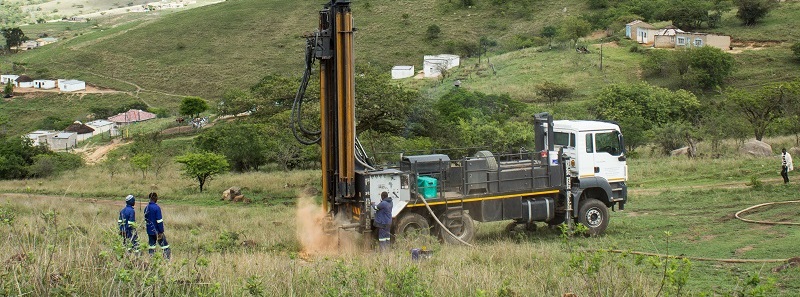
top borehole drilling company kenya

Top 10 Borehole Drilling Companies in Kenya

No. Company Location / Address Key Services
1 Bestcare Borehole Drilling Mpaka Plaza, Westlands, Nairobi Borehole drilling, surveys, pumps, maintenance
2 Nano Hydro Ltd Pili Trade Centre, Mombasa Road, Nairobi Borehole drilling and water solutions
3 Aquifer Drillers 3rd Floor, Odyssey Plaza, South B, Nairobi Drilling, surveys, testing, installation
4 Sparr Drilling Company Ltd Lucky Summer Road, next to Baba Dogo KPLC Substation, Nairobi Drilling, test pumping, equipping
5 Basil Drilling Co. Ltd Ext. No. 14, Off Thika Road, Juja Kenyatta Road, Nairobi Surveys, drilling, pumps, tanks
6 Raeli Hydro Systems Ltd Lusaka Road, Nairobi Borehole drilling, equipping, water solutions
7 Bonvic Drilling Company Nairobi, Kenya Surveys, drilling, pumps, water treatment
8 Geotronics Engineering Ltd New Commercial House, Industrial Area, Nairobi Hydrogeology, drilling, rehabilitation
9 Knight & Hammer Contractors 14 Riverside Drive, Nairobi Borehole and water engineering services
10 Simba Drilling Company Ltd Highway Heights, Muthangari Drive, Nairobi Borehole drilling and water services

Addresses and service information are based on company websites and current business listings where available.

1. Bestcare Borehole Drilling

Bestcare Borehole Drilling is a Kenyan water-solutions company offering borehole drilling services for residential, commercial, agricultural, institutional, and industrial clients. The company states that it provides services across Kenya, including borehole surveys, drilling, installation, and maintenance.

Bestcare can be a suitable option for property owners looking for an end-to-end borehole solution rather than drilling alone. Its services include hydrogeological assessment, drilling, pump installation, and after-drilling support.

Address: Mpaka Plaza, Westlands, Nairobi, Kenya.
Contact: +254 709 004 600.

For homeowners, farms, schools, churches, and businesses looking for a borehole drilling company in Kenya, Bestcare is a notable company to consider.

2. Nano Hydro Ltd

Nano Hydro Ltd is a Nairobi-based drilling contractor located at Pili Trade Centre along Mombasa Road. Its business listing identifies it as a well drilling contractor and provides a Nairobi base for its operations. Nano Hydro Ltd

The company is particularly worth considering for clients looking for a contractor based along the Mombasa Road industrial and commercial corridor. Before engaging any drilling company, clients should request a detailed quotation covering the hydrogeological survey, drilling depth, casing, gravel packing, test pumping, pump equipment, and any applicable statutory costs.

Address: Pili Trade Centre, Mombasa Road, Nairobi, Kenya.
Contact: +254 791 999 444.

3. Aquifer Drillers

Aquifer Drillers is another notable name in Kenya’s borehole drilling industry. The company says it has worked on private boreholes for homeowners and businesses and reports more than 300 boreholes across different regions of Kenya. Its services cover the process from surveys and permits through drilling and associated water infrastructure.

Aquifer Drillers serves clients in Nairobi and other parts of the country, making it an option for domestic, agricultural, and commercial projects.

Address: 3rd Floor, Odyssey Plaza, South B, Nairobi, Kenya.
Contact: 0797 404 040.

4. Sparr Drilling Company Ltd

Sparr Drilling is an established borehole drilling contractor with operations in Kenya and other East African markets. The company states that it was established in 1994 and specializes in water borehole drilling for domestic, agricultural, commercial, and industrial applications.

Its services include preliminary hydrogeological work, borehole drilling using Down-The-Hole technology, well development, pump testing, pump installation, borehole equipping, cleaning, and rehabilitation.

Address: Lucky Summer Road, next to Baba Dogo KPLC Substation, Nairobi, Kenya.

5. Basil Drilling Co. Ltd

Basil Drilling Company is a Nairobi-based borehole drilling firm that has operated since 2008. The company says it has completed hundreds of boreholes for domestic, industrial, and agricultural requirements.

Its services include borehole surveys, drilling and development, test pumping, submersible pump installation, storage tanks, hand pumps, and drilling accessories. It also publishes information about its drilling equipment and registration details.

Address: Ext. No. 14, Off Thika Road, Basil SS Hotel, Juja Kenyatta Road, Nairobi, Kenya.

6. Raeli Hydro Systems Ltd

Raeli Hydro Systems provides borehole drilling and water-engineering services in Kenya. Its published process emphasizes hydrogeological or geological surveys, authorization from the relevant water authority, environmental requirements, drilling, casing, and borehole development.

The company also provides borehole equipping and related water solutions. This makes it relevant for clients who need more than the initial drilling phase.

Address: Lusaka Road, Nairobi, Kenya.
Contact: +254 700 666 888.

7. Bonvic Drilling Company

Bonvic Drilling provides comprehensive borehole drilling services for homes, farms, schools, hospitals, factories, real-estate developments, and community projects. The company says it operates across all 47 counties and handles services ranging from hydrogeological surveys to pump commissioning.

Its service portfolio includes borehole drilling, casing, development, test pumping, water-quality analysis, pump installation, solar pumping systems, maintenance, rehabilitation, and water treatment.

Address: Nairobi, Kenya.
Contact: +254 720 545 191.

8. Geotronics Engineering Ltd

Geotronics Engineering Ltd is a multidisciplinary water and engineering company incorporated in 2008. Its services include hydrogeological and geophysical surveys, environmental assessments, borehole drilling, rehabilitation, pump installation, and civil and irrigation works.

The company also provides test pumping and related water infrastructure, making it relevant for clients undertaking larger residential, agricultural, institutional, or commercial projects.

Address: New Commercial House, 4th Floor, Commercial Street/Enterprise Road, opposite Unilever Kenya, Industrial Area, Nairobi.

9. Knight & Hammer Contractors

Knight & Hammer Contractors is a Nairobi-based contractor located at 14 Riverside Drive, Westlands. Its business listing identifies it as a well drilling contractor, making it another option for clients seeking professional groundwater and drilling services.

Address: Arlington, 14 Riverside Drive, Nairobi, Kenya.
Contact: +254 799 696 913.

As with any borehole project, prospective customers should request documentation covering the survey, drilling scope, casing specifications, pump testing, water quality, and applicable approvals before work begins.

10. Simba Drilling Company Ltd

Simba Drilling Company Limited – Borehole Drilling in Kenya is a Nairobi-based well drilling contractor located along Muthangari Drive. Its location makes it accessible to clients in Nairobi and surrounding areas who require borehole-related services.

Address: Highway Heights, Muthangari Drive, Nairobi, Kenya.
Contact: +254 780 117 447.

Customers should discuss the geological conditions of their property, anticipated depth, water requirements, drilling method, and total project cost before signing a contract.

How to Choose the Best Borehole Drilling Company in Kenya

Choosing a drilling company should not be based on price alone. A low initial quotation may exclude important components such as hydrogeological surveys, permits, casing, test pumping, water testing, pumps, electrical work, or storage.

Before hiring a contractor, ask for:

  • Evidence of relevant licensing and regulatory compliance.
  • A hydrogeological or geophysical survey before drilling.
  • A clear quotation showing what is included and excluded.
  • Details of the proposed drilling method and equipment.
  • Borehole casing and screen specifications.
  • Test-pumping procedures and expected yield information.
  • Water-quality testing after drilling.
  • Pump sizing based on the actual borehole yield.
  • A written drilling log and completion documentation.
  • References or examples of previous projects.

A professional contractor should also explain that groundwater conditions vary significantly from one location to another. The expected depth, yield, drilling method, and final cost can therefore differ even between neighboring properties.

Frequently Asked Questions About Borehole Drilling in Kenya

1. How much does borehole drilling cost in Kenya?

The cost varies according to location, geology, depth, accessibility, casing, pumping equipment, permits, and additional water infrastructure. A site-specific quotation is more reliable than a standard nationwide price.

2. How deep is a borehole in Kenya?

Borehole depth varies considerably. Some areas may encounter productive aquifers at relatively shallow depths, while other locations require much deeper drilling. A hydrogeological survey helps determine the likely drilling target.

3. Do I need a permit to drill a borehole in Kenya?

Yes. Borehole projects are subject to regulatory requirements, and contractors should guide clients through the applicable Water Resources Authority, environmental, county, and other approval processes. Companies such as Sparr Drilling and Raeli Hydro describe these preliminary requirements in their published procedures.

4. What is a hydrogeological survey?

A hydrogeological survey assesses underground geological and groundwater conditions to identify a suitable drilling location and estimate groundwater potential. It should generally be completed before mobilizing a drilling rig.

5. How long does borehole drilling take?

The drilling itself can take several days, but the complete project may take longer because of surveys, permits, mobilization, casing, development, test pumping, water analysis, and pump installation.

6. Is borehole water safe to drink?

Not automatically. Borehole water should be tested by an appropriate laboratory before being used for drinking. Treatment may be required depending on contaminants or naturally occurring minerals.

7. Can a borehole be used for irrigation?

Yes. Boreholes are widely used for agricultural and irrigation applications. However, the borehole yield should be tested and compared with the farm’s water requirements before an irrigation system is designed.

8. What pump is suitable for a borehole?

Pump selection depends on borehole depth, tested yield, static and dynamic water levels, required flow rate, delivery distance, and elevation. A professional installer should size the pump using actual site data.

9. Can an old borehole be repaired?

In many cases, yes. Borehole rehabilitation may involve cleaning, flushing, pump replacement, redevelopment, test pumping, or addressing casing and water-quality problems. The correct solution depends on the condition of the borehole.

10. Which is the best borehole drilling company in Kenya?

There is no single company that is automatically the best for every project. Bestcare Borehole Drilling, Nano Hydro Ltd, Aquifer Drillers, Sparr Drilling, Basil Drilling, Raeli Hydro, Bonvic Drilling, Geotronics Engineering, Knight & Hammer Contractors, and Simba Drilling are among the companies worth researching. The best choice depends on your location, budget, water requirements, project size, regulatory needs, and the contractor’s experience with similar geological conditions.

A borehole is a long-term investment in water security, so choosing an experienced borehole drilling company in Kenya is essential. The contractor should be able to provide a professional survey, comply with regulatory requirements, use suitable drilling equipment, install quality casing and screens, conduct test pumping, arrange water testing, and recommend appropriately sized pumping equipment.

For property owners comparing borehole drilling services in Kenya, the 10 companies above provide a useful starting point. Always compare several detailed quotations and verify licensing, scope of work, previous projects, warranties, and after-sales support before making a final decision.

Kiambu County Borehole Drilling and Water Tank Services

By Bestcare Borehole Drilling Services

Access to a reliable water supply is essential for homes, farms, businesses, schools, institutions, and construction projects in Kiambu County. With increasing demand for water and the challenges associated with unreliable municipal supplies, many property owners are turning to borehole drilling as a dependable long-term water solution. Bestcare Borehole Drilling Services provides professional Kiambu County borehole drilling and water tank services, helping customers access, store, and manage water efficiently.

Professional Borehole Drilling in Kiambu County

Borehole drilling is an effective way to obtain an independent and reliable water source. Bestcare Borehole Drilling Services offers borehole solutions designed to meet the specific requirements of different properties across Kiambu County. Whether you need water for domestic use, irrigation, commercial activities, livestock, or institutional purposes, professional planning and drilling are essential for achieving the best results.

Our borehole drilling process begins with assessing the site and determining the most suitable location for drilling. Geological and hydrogeological considerations help identify areas with a higher potential for groundwater. Proper site assessment can reduce unnecessary drilling costs while improving the chances of accessing a sustainable water source.

We serve customers in various parts of Kiambu County, including Ruiru, Thika, Kikuyu, Limuru, Kiambu Town, Juja, Githunguri, Gatundu, Lari, and surrounding areas. Our services are suitable for residential compounds, agricultural land, commercial properties, schools, hospitals, hotels, apartments, factories, and other institutions.

Why Drill a Borehole in Kiambu?

Having your own borehole can provide greater control over your water supply. Instead of relying entirely on public water systems or water vendors, property owners can develop an independent source of groundwater.

A properly designed borehole can provide water for household activities such as cleaning, washing, gardening, and other approved uses. For farmers, boreholes can support irrigation and livestock watering, helping improve agricultural productivity. Businesses and institutions can also benefit from having a dependable water source for their daily operations.

However, borehole drilling should always be undertaken by experienced professionals. Factors such as geological conditions, expected water demand, borehole depth, casing requirements, pumping equipment, and water quality all need to be considered before a project is completed.

Water Tank Installation and Storage Solutions

Drilling a borehole is only part of creating a dependable water system. Proper water storage is equally important. Bestcare Borehole Drilling Services offers water tank services in Kiambu County, helping property owners establish efficient water storage systems.

Water tanks provide a convenient way to store water pumped from a borehole and ensure that it is available when needed. Tank capacity should be selected according to factors such as household size, daily water consumption, irrigation requirements, available space, and the expected frequency of pumping.

We can help customers plan suitable tank installations for homes, farms, apartments, businesses, institutions, and commercial properties. Depending on the site requirements, water storage systems can incorporate pumps, elevated tanks, piping, and other necessary components.

Borehole Pumps and Water System Solutions

A borehole requires an appropriate pumping system to move groundwater from the underground source to the storage tank or point of use. Bestcare Borehole Drilling Services can assist customers in selecting and installing suitable borehole pumping solutions based on the borehole characteristics and water demand.

A properly selected pump can improve water delivery while helping reduce unnecessary energy consumption and equipment wear. We also provide guidance on maintaining borehole equipment so that the system can continue operating efficiently.

Water Quality Testing

Groundwater quality can vary from one location to another. For this reason, water testing is an important part of developing a borehole water supply, especially where the water will be used for domestic or other sensitive purposes.

Professional water testing can help identify characteristics such as mineral content and potential contaminants. Depending on the results, appropriate treatment or filtration solutions may be recommended before the water is used for its intended purpose.

Reliable Borehole Services in Kiambu County

Choosing the right borehole contractor can make a significant difference to the success and long-term performance of a groundwater project. Bestcare Borehole Drilling Services focuses on providing professional, practical, and customer-focused water solutions.

From borehole drilling and pump installation to water tank installation and water system solutions, we aim to provide an integrated service that addresses the water needs of our customers.

If you are looking for borehole drilling services in Kiambu County, planning a new water project, or need a suitable water tank installation, Bestcare Borehole Drilling Services can help you develop a solution suited to your property and water requirements.

Contact Bestcare Borehole Drilling Services today for professional advice, site assessment, borehole drilling, and water storage solutions in Kiambu County. Secure a dependable water supply for your home, farm, business, or institution with a professionally planned borehole and water storage system.

Borehole Drilling Services in Limuru by Bestcare Borehole Drilling

Reliable water is important for homes, farms, schools, businesses, and institutions in Limuru. While piped water is available in some areas, supply can sometimes be limited or unreliable. A properly drilled and equipped borehole can provide an independent and dependable source of groundwater.

Bestcare Borehole Drilling provides professional borehole drilling services in Limuru, helping property owners, farmers, institutions, and businesses access groundwater. The company provides a complete range of services, from groundwater surveys and drilling to borehole equipping, pump installation, water testing, and maintenance.

Professional Borehole Drilling in Limuru

Borehole drilling is a technical process that requires proper planning and suitable equipment. Before drilling begins, the location should be carefully assessed to determine the likelihood of finding groundwater.

Bestcare Borehole Drilling helps clients through the different stages of the borehole development process. The process starts with a site assessment and hydrogeological survey.

A hydrogeological survey helps identify suitable drilling locations and provides information about the expected depth and groundwater conditions. This is an important step because groundwater conditions can vary from one property to another.

Once the appropriate location has been identified and the required approvals have been obtained, drilling equipment is mobilized to the site.

Hydrogeological Surveys in Limuru

A successful borehole project starts with a good survey. Bestcare Borehole Drilling provides hydrogeological survey services in Limuru to help clients make informed decisions before drilling.

The survey examines geological and groundwater conditions beneath the property. Geophysical methods can also be used to identify possible water-bearing formations.

The final survey report can provide information such as:

  • Recommended drilling location
  • Expected borehole depth
  • Possible groundwater zones
  • Expected water yield
  • Geological conditions
  • Recommendations for drilling and borehole construction

A proper survey can reduce the risk of drilling in an unsuitable location and help the client understand the expected scope of the project.

Borehole Drilling and Construction

After the survey and required approvals, Bestcare Borehole Drilling can proceed with the drilling process.

Modern drilling equipment is used according to the geological conditions at the site. As drilling progresses, the geological formations encountered are recorded. Water strikes are also identified and assessed.

Once the required depth is reached, the borehole is constructed using appropriate casing and screens. The casing supports the borehole and helps prevent the walls from collapsing.

Screens are installed in suitable water-bearing sections to allow groundwater to enter the borehole while helping limit the entry of unwanted materials.

Gravel packing and proper sealing are also important parts of borehole construction. These measures help improve the quality and long-term performance of the borehole.

Borehole Development and Test Pumping

Drilling a borehole is only part of the process. The borehole must be properly developed after construction.

Borehole development helps remove drilling materials, fine particles, and other debris from the borehole. This allows the groundwater to flow more freely.

Bestcare Borehole Drilling can also conduct test pumping to determine the performance of the borehole.

Test pumping provides important information about the amount of water the borehole can produce and how the water level changes during pumping.

This information is useful when selecting a pump and designing the water distribution system.

Borehole Water Testing in Limuru

Groundwater should be tested before it is used for drinking or other domestic purposes.

Bestcare Borehole Drilling can assist clients with water-quality testing after drilling. Water samples can be tested for physical, chemical, and microbiological properties.

Water testing helps identify whether treatment is required before the water is used.

Depending on the test results and intended use, a borehole may require filtration, disinfection, or another suitable water treatment system.

Borehole Pump Installation

A borehole needs the right pumping equipment to deliver water efficiently.

Bestcare Borehole Drilling provides borehole pump installation services in Limuru. The pump is selected based on factors such as borehole depth, water level, tested yield, required flow rate, and the height and distance the water needs to travel.

Submersible pumps are commonly used for boreholes because they are designed to operate underwater.

The pump is installed inside the borehole and connected to a delivery pipe that carries water to a storage tank or distribution system.

Proper pump sizing is important. A pump that is too large can cause unnecessary energy consumption and may affect the borehole. A pump that is too small may not provide enough water for the property’s needs.

Solar Borehole Pumping Systems

Solar-powered borehole pumps are becoming increasingly popular in Kenya. They can be particularly useful for farms, homes, schools, and properties where electricity is expensive or unavailable.

Bestcare Borehole Drilling can help clients install solar-powered pumping systems that use solar panels to operate the borehole pump.

Solar pumping can reduce electricity costs and provide a practical water solution for properties in areas with good sunlight.

Water can be pumped into an elevated or ground-level storage tank during the day and then used when required.

Borehole Water Storage Solutions

After installing a borehole pump, proper water storage is important. Bestcare Borehole Drilling can assist clients with water storage solutions based on their water requirements.

Storage tanks can be used for homes, farms, schools, commercial properties, apartments, and other institutions.

The required tank capacity depends on factors such as the number of users, daily water consumption, borehole yield, and intended use of the water.

For agricultural properties in Limuru, storage can also be combined with irrigation systems to provide a more reliable supply for crops.

Borehole Maintenance and Repairs

Like any other water system, boreholes require maintenance. Regular checks can help identify problems before they become major failures.

Bestcare Borehole Drilling can assist with borehole maintenance, pump servicing, cleaning, testing, and rehabilitation.

Common signs that a borehole may require attention include:

  • Reduced water flow
  • Changes in water quality
  • Increased sand in the water
  • Pump failure
  • Unusual pump noise
  • Frequent electrical problems
  • Falling water levels

Early inspection can help determine whether the problem is related to the pump, borehole, electrical system, or groundwater conditions.

Why Choose Bestcare Borehole Drilling in Limuru?

Choosing an experienced contractor is important when investing in a borehole. Bestcare Borehole Drilling provides a complete approach to borehole development, helping clients from the initial survey through drilling and installation.

The company serves different types of customers, including:

  • Homeowners
  • Farmers
  • Schools
  • Churches
  • Property developers
  • Commercial businesses
  • Institutions
  • Industrial properties

Clients can receive professional guidance on borehole location, drilling, pumping equipment, water testing, storage, and maintenance.

Get Borehole Drilling Services in Limuru

If you are planning to drill a borehole in Limuru, proper planning can help you avoid unnecessary costs and improve the chances of developing a reliable water source.

Bestcare Borehole Drilling provides borehole drilling services in Limuru, including hydrogeological surveys, borehole drilling, construction, test pumping, water testing, pump installation, solar pumping, water storage, and borehole maintenance.

Whether you need water for a home, farm, school, business, or property development, a professionally designed borehole can provide a reliable source of water for many years.

Contact Bestcare Borehole Drilling to discuss your project and arrange a site assessment for your property in Limuru.

Borehole Drilling Services in Mombasa

Reliable access to clean water is important for homes, businesses, farms, schools, hotels, apartments, and industries in Mombasa. While piped water is available in many areas, supply can sometimes be unreliable or insufficient for growing water needs. A properly designed borehole can provide an alternative and dependable source of groundwater.

Bestcare Borehole Drilling provides professional borehole drilling services in Mombasa and surrounding areas. The company offers a complete range of borehole and water solutions, from groundwater surveys and drilling to pump installation, water testing, storage, and maintenance.

Whether you need a borehole for a residential property, commercial building, hotel, agricultural project, or industrial facility, working with an experienced drilling company can help you develop a reliable water supply system.

Professional Borehole Drilling in Mombasa

Borehole drilling is a technical process that requires proper planning and equipment. Groundwater conditions vary from one location to another, so a borehole that works well in one area may require a different approach in another.

Bestcare Borehole Drilling begins the process with a professional assessment of the proposed drilling site. A hydrogeological survey helps identify areas with potential groundwater and provides information about the expected drilling depth and possible water yield.

The survey is an important step because it helps reduce the risk of drilling in an unsuitable location. It also provides useful information for planning the borehole before drilling starts.

Once the required approvals have been obtained, drilling equipment is brought to the site. The drilling method and equipment used depend on the local geology and expected borehole depth.

Hydrogeological Surveys

A hydrogeological survey is one of the most important stages of a borehole project.

The survey examines the geological conditions beneath the property and helps identify possible groundwater-bearing formations. Geophysical techniques may be used to study underground rock layers and determine the most suitable drilling point.

A professional survey can help determine:

  • The recommended drilling location
  • Expected borehole depth
  • Possible groundwater zones
  • Estimated water yield
  • Geological conditions
  • Recommended drilling approach

Bestcare Borehole Drilling can guide customers through the survey and planning process before drilling begins.

Borehole Drilling and Construction

After the drilling site has been identified and the necessary approvals are in place, the drilling process can begin.

A drilling rig is used to penetrate the ground until the targeted groundwater-bearing formation is reached. During drilling, geological information is recorded to help understand the formations encountered underground.

Once the required depth has been reached, the borehole is constructed using appropriate casing and screens. Casing helps support the borehole walls, while screens allow groundwater to enter the borehole while helping limit the entry of sand and other materials.

Gravel packing and proper sealing may also be used as part of the borehole construction process.

The borehole is then developed to remove drilling materials and improve water flow.

Borehole Yield Testing

Drilling a borehole does not automatically mean that it will produce enough water for the intended use. The water supply must be tested.

Bestcare Borehole Drilling can conduct borehole test pumping to determine the amount of water available and how the water level responds during pumping.

The results can help determine the appropriate pump size and whether the borehole can meet the customer’s water requirements.

This is particularly important for commercial properties, hotels, apartments, schools, farms, and industrial facilities where daily water demand can be high.

Water Quality Testing

Groundwater should be tested before it is used for drinking or other sensitive applications.

Water quality can vary depending on the geological conditions and the location of the borehole. Testing can identify physical, chemical, and microbiological characteristics of the water.

If treatment is required, the results can help determine the most suitable treatment system.

Bestcare Borehole Drilling can assist customers with water testing and recommendations for appropriate water treatment where necessary.

Borehole Pump Installation

A borehole needs an appropriate pump to move water to the surface and into a storage or distribution system.

Bestcare Borehole Drilling provides borehole pump installation services in Mombasa. Pump selection depends on factors such as borehole depth, water level, tested yield, required flow rate, and the height and distance the water needs to travel.

Submersible pumps are commonly used for deep boreholes because they are designed to operate underwater.

A correctly sized pump can provide efficient water delivery while helping reduce unnecessary energy consumption and equipment wear.

Solar Borehole Pumping Systems

Solar-powered borehole pumps are an increasingly useful option for properties looking to reduce electricity costs.

Mombasa receives significant sunlight throughout the year, making solar pumping a practical option for many applications.

A solar borehole system can include solar panels, a pump controller, a submersible pump, mounting structures, electrical equipment, and water storage.

Instead of relying entirely on electricity from the national grid, the solar panels provide energy to operate the pump during suitable daylight conditions.

Solar pumping can be particularly useful for farms, hotels, schools, homes, and properties in locations where electricity supply is limited or expensive.

Water Storage and Distribution

After water has been pumped from the borehole, it needs to be stored or distributed efficiently.

Bestcare Borehole Drilling can help customers develop suitable water storage solutions, including water tanks and related pipework.

Storage tanks allow water to be collected when the pump is operating and used later when demand increases.

Elevated tanks can also provide gravity-fed water pressure for some properties, reducing the need for continuous pumping.

Borehole Maintenance and Repairs

Regular maintenance can help extend the life of a borehole and its equipment.

Bestcare Borehole Drilling provides borehole maintenance and repair solutions, including pump inspection, cleaning, testing, and equipment replacement where required.

A borehole that produces less water than before, pumps sand, develops water-quality problems, or experiences frequent pump failures should be inspected by a qualified professional.

Early maintenance can help identify problems before they become more expensive to repair.

Why Choose Bestcare Borehole Drilling in Mombasa?

Choosing the right contractor is important when investing in a borehole. Bestcare Borehole Drilling provides a complete approach to groundwater development, helping customers with different stages of the project.

The company focuses on:

  • Professional hydrogeological surveys
  • Borehole drilling
  • Borehole construction
  • Test pumping
  • Water quality testing
  • Pump installation
  • Solar water pumping
  • Water storage solutions
  • Borehole maintenance and repairs

This makes it possible for customers to manage several aspects of their water project through one experienced service provider.

A professionally drilled borehole can provide a reliable source of water for homes, businesses, hotels, farms, schools, apartments, and industries in Mombasa.

However, successful borehole drilling in Mombasa requires more than simply drilling a hole in the ground. Proper site assessment, professional drilling, borehole construction, yield testing, water testing, pump sizing, and regular maintenance are all important.

Bestcare Borehole Drilling provides complete borehole drilling and water solutions in Mombasa, helping customers develop dependable groundwater systems suited to their individual needs.

Whether you need a borehole for domestic water supply, commercial use, irrigation, hospitality, or industrial purposes, Bestcare Borehole Drilling can provide professional support from the initial survey through to the installation and maintenance of your water system.

Nyandarua County Borehole Drilling Services

Access to reliable and clean water is essential for homes, farms, businesses, schools, institutions, and industries in Nyandarua County. With increasing demand for water and the challenges associated with relying on rainwater, rivers, or municipal supplies, borehole drilling provides a dependable long-term water solution. Bestcare Borehole Drilling Services offers professional borehole drilling solutions designed to help property owners across Nyandarua County access underground water efficiently and sustainably.

Professional Borehole Drilling in Nyandarua County

Bestcare Borehole Drilling Services provides comprehensive borehole drilling services for residential, agricultural, commercial, and institutional projects. Our approach focuses on identifying suitable groundwater sources, drilling efficiently, and developing a functional borehole that meets the customer’s water requirements.

Nyandarua County has diverse geological conditions, meaning groundwater availability can vary significantly from one location to another. Professional planning and appropriate groundwater assessment are therefore important before drilling begins. Our experienced team helps clients understand the drilling process and make informed decisions about their water projects.

Borehole Site Survey and Water Exploration

Before drilling a borehole, determining the most promising drilling location is an important step. Bestcare Borehole Drilling Services can assist with borehole site surveys and groundwater exploration to identify areas with potential for groundwater.

A proper survey helps reduce unnecessary drilling risks and provides useful information for planning the project. Factors such as local geology, existing boreholes, terrain, groundwater conditions, and the intended water use can be considered when selecting a drilling site.

Whether you need a borehole for a rural home in Nyandarua, an agricultural farm, a school, or a commercial property, professional site assessment can provide a better foundation for the project.

Borehole Drilling Services for Homes

A private borehole can provide homeowners with a convenient and reliable water supply. Bestcare Borehole Drilling Services offers borehole drilling solutions for residential properties throughout Nyandarua County.

Homeowners can use borehole water for domestic activities such as cleaning, bathing, gardening, and other household needs, subject to appropriate water testing and treatment where necessary. A professionally drilled and properly equipped borehole can significantly reduce dependence on other water sources.

Agricultural Borehole Drilling in Nyandarua

Agriculture is an important economic activity in Nyandarua County, and reliable water is essential for productive farming. Borehole drilling for agriculture can provide farmers with an additional water source for irrigation, livestock, greenhouses, and other farming activities.

With a dependable water supply, farmers can improve their ability to manage crops during periods of inadequate rainfall. Bestcare Borehole Drilling Services can help agricultural clients plan borehole projects according to their specific water requirements, property conditions, and intended applications.

Commercial and Institutional Boreholes

Businesses, schools, hospitals, hotels, residential developments, and other institutions may require significant and consistent water supplies. Bestcare Borehole Drilling Services provides borehole drilling solutions for commercial and institutional clients seeking greater water independence.

A properly planned borehole can supplement existing water sources and help businesses and institutions maintain essential operations. After drilling, additional components such as casing, borehole development, pumping equipment, storage tanks, and distribution systems may be required depending on the project.

Why Choose Bestcare Borehole Drilling Services?

Choosing an experienced borehole drilling company is important when investing in a groundwater project. Bestcare Borehole Drilling Services focuses on professional service, careful project planning, quality workmanship, and customer satisfaction.

Our services are suitable for clients looking for borehole drilling in Nyandarua County, including projects in towns and rural areas. We aim to provide practical water solutions while considering the specific requirements of every site.

Professional borehole drilling also involves more than simply drilling into the ground. The borehole should be properly constructed, developed, tested, and equipped to provide an efficient and sustainable water supply.

Borehole Equipping and Water Testing

Once drilling is completed and groundwater has been encountered, the borehole may need to be equipped with an appropriate pump and water storage system. Water testing is also an important part of the process, particularly when the water will be used for domestic or other sensitive purposes.

Testing helps determine the quality and characteristics of the water and whether treatment may be required before use. Bestcare Borehole Drilling Services can help clients understand the next steps after drilling and develop a suitable water supply system.

Get Borehole Drilling Services in Nyandarua County

If you are planning to drill a borehole in Nyandarua County, working with a professional drilling company can help you approach the project with confidence. From groundwater exploration and site assessment to drilling and borehole development, Bestcare Borehole Drilling Services provides solutions tailored to different water needs.

Whether you are a homeowner looking for a reliable domestic water source, a farmer planning irrigation, or an institution requiring a dependable water supply, Bestcare Borehole Drilling Services can help you take the next step toward accessing groundwater.

Contact Bestcare Borehole Drilling Services today to discuss your Nyandarua County borehole drilling project, site requirements, and water needs.

Kisumu County Borehole Drilling Services

Bestcare Borehole Drilling Services provides professional and reliable borehole drilling services in Kisumu County, helping homes, farms, schools, businesses, institutions, and property developers access a dependable supply of underground water. With increasing demand for reliable water sources across Kisumu and its surrounding areas, drilling a borehole can provide a practical long-term solution where municipal or surface water supplies are insufficient.

Professional Borehole Drilling in Kisumu County

Water availability is essential for domestic use, agriculture, livestock, commercial activities, and industrial operations. Bestcare Borehole Drilling Services offers comprehensive borehole drilling solutions designed to meet the specific water needs of clients throughout Kisumu County.

Our approach begins with understanding the client’s location, intended water use, and expected water demand. We then recommend the appropriate steps for identifying a suitable drilling location and determining the expected groundwater potential. Proper planning helps minimize unnecessary drilling costs while improving the chances of accessing a sustainable underground water source.

Whether you need a borehole for your home in Kisumu, an agricultural water supply in the rural areas, or a commercial borehole for a business or institution, professional drilling is essential for achieving reliable results.

Borehole Drilling Services We Offer

Bestcare Borehole Drilling Services provides a range of solutions associated with borehole development. These include site assessment, groundwater exploration, borehole drilling, casing and installation, well development, pump installation, and related water-system services.

1. Borehole Site Survey

Before drilling begins, a proper site assessment is important. Groundwater conditions vary from one location to another, so selecting an appropriate drilling point can significantly influence the success of a project. A professional survey helps identify areas with favorable groundwater potential and assists in planning the drilling process.

2. Borehole Drilling

Our borehole drilling services in Kisumu County are suitable for residential, agricultural, commercial, and institutional projects. The drilling process is planned according to the geological conditions of the site, the anticipated borehole depth, and the client’s water requirements.

3. Borehole Casing and Construction

Once drilling reaches the required depth, appropriate casing and borehole construction procedures help protect the borehole from collapse and contamination. Quality construction is important for maintaining the integrity and long-term performance of the water source.

4. Borehole Pump Installation

A properly drilled borehole needs an efficient pumping system to deliver water to the surface. Bestcare Borehole Drilling Services can assist with selecting and installing a suitable pump based on factors such as borehole depth, water yield, storage requirements, and intended usage.

5. Borehole Development and Testing

Borehole development helps remove drilling residues and improve water flow into the borehole. Testing can also help establish important characteristics such as water yield and performance, allowing the appropriate pumping equipment and storage system to be selected.

Why Choose Bestcare Borehole Drilling Services?

Choosing an experienced borehole drilling company can make a significant difference to the success of your project. At Bestcare Borehole Drilling Services, we focus on professional workmanship, careful planning, quality materials, and practical water solutions.

Our services are designed to provide clients with a complete borehole solution rather than simply drilling a hole in the ground. From initial site assessment through drilling, construction, testing, and pump installation, every stage should be handled with attention to quality and safety.

We understand that every property has different water requirements. A residential property may require water for household use, while a farm may need substantially more water for irrigation and livestock. Commercial and institutional properties may also require dependable water throughout the year. Our solutions are therefore tailored to the specific needs of each project.

Borehole Drilling for Homes, Farms and Businesses in Kisumu

A private borehole can provide greater independence from unreliable water supplies. Homeowners can use borehole water for domestic activities, while farmers can utilize groundwater for irrigation and livestock. Schools, hotels, hospitals, offices, construction projects, and other institutions can also benefit from a reliable water source.

For agricultural properties, having a dependable water supply can support irrigation and improve productivity, particularly during periods of inadequate rainfall. Commercial property owners can also benefit from having an alternative water source that supports daily operations.

Serving Different Areas of Kisumu County

Bestcare Borehole Drilling Services can serve clients across Kisumu County, subject to site assessment and project requirements. Whether your property is located within Kisumu city, its outskirts, or other parts of the county, professional assessment is recommended before drilling begins.

The geological conditions and groundwater availability can differ between locations. For this reason, each proposed borehole should be evaluated individually rather than assuming that the same depth or drilling approach will work everywhere.

Get Reliable Borehole Drilling Services in Kisumu

If you are looking for borehole drilling services in Kisumu County, Bestcare Borehole Drilling Services can help you plan and develop a suitable groundwater solution for your property. From site assessment and drilling to borehole construction, testing, and pump installation, professional support can make the process more efficient and reliable.

Contact Bestcare Borehole Drilling Services today to discuss your project, assess your water requirements, and get started with a professional borehole solution in Kisumu County.

Primary SEO keywords: Kisumu County borehole drilling services, borehole drilling in Kisumu, borehole drilling company in Kisumu, borehole services Kisumu, water drilling services Kisumu, Bestcare Borehole Drilling Services.

Mombasa County Borehole Drilling Services

Mombasa County Borehole Drilling Services – Bestcare Borehole Drilling Services

Access to a reliable and sustainable water supply is essential for homes, businesses, farms, schools, institutions, and construction projects in Mombasa County. As demand for clean water continues to grow, borehole drilling services in Mombasa County provide an effective solution for property owners looking for an independent and dependable water source. Bestcare Borehole Drilling Services offers professional borehole drilling solutions designed to help clients access underground water safely and efficiently.

Professional Borehole Drilling in Mombasa County

Bestcare Borehole Drilling Services provides comprehensive borehole drilling services in Mombasa for residential, commercial, agricultural, and institutional properties. Our approach begins with understanding the client’s water requirements and assessing the suitability of the proposed drilling location.

Borehole drilling is a specialized process that requires proper planning, modern equipment, technical expertise, and knowledge of local ground conditions. Our team works to ensure that every project is carefully planned from site assessment through drilling and completion.

Whether you need a borehole for a private home in Mombasa, a hotel, apartment development, school, farm, factory, or commercial property, professional planning can help improve the chances of developing a reliable water source.

Borehole Site Survey and Water Exploration

One of the most important stages of any borehole project is identifying a suitable drilling location. Bestcare Borehole Drilling Services can assist clients with borehole site surveys in Mombasa County to determine potentially promising areas for drilling.

A proper site assessment helps guide drilling decisions and can reduce unnecessary costs associated with selecting unsuitable locations. Geological and hydrogeological considerations are taken into account when planning a borehole project.

Because underground water conditions vary from one location to another, no drilling company should guarantee a particular water yield before the necessary investigations and drilling work have been completed. Professional assessment and responsible drilling practices are therefore important when investing in a borehole.

Residential Borehole Drilling Services

Many homeowners are looking for reliable alternatives to conventional water supplies. A properly developed borehole can provide an additional water source for domestic applications such as cleaning, landscaping, gardening, and other household needs, subject to appropriate water-quality testing and regulatory requirements.

Bestcare Borehole Drilling Services offers residential borehole drilling in Mombasa for homeowners, residential developments, apartments, and property developers. We can help clients understand the drilling process, equipment requirements, water storage needs, and other considerations before work begins.

Commercial and Institutional Borehole Drilling

Businesses and institutions often require dependable water supplies to support their daily operations. Hotels, schools, hospitals, factories, offices, apartment complexes, and other commercial facilities may benefit from having a professionally developed groundwater source.

Bestcare Borehole Drilling Services provides commercial borehole drilling services in Mombasa County, with solutions planned according to the intended water demand and site requirements. A well-planned borehole project can support business continuity while reducing dependence on a single water source.

Borehole Drilling for Agriculture

Agriculture and landscaping require dependable water supplies, particularly where rainfall and conventional water sources may not consistently meet demand. Boreholes can be used to support irrigation systems, nurseries, livestock operations, and other agricultural activities.

Bestcare Borehole Drilling Services helps property owners and agricultural clients explore suitable borehole solutions based on their water requirements, site conditions, and intended use.

Borehole Equipment and Water Systems

Drilling a borehole is only one part of developing a functional groundwater system. Depending on the project, additional components may include a submersible pump, pipes, electrical systems, storage tanks, control equipment, and water distribution infrastructure.

Bestcare Borehole Drilling Services can help clients determine the appropriate equipment for their borehole system. The choice of pump and related equipment should be based on factors such as borehole depth, water level, required flow rate, delivery height, and intended application.

Why Choose Bestcare Borehole Drilling Services?

Choosing an experienced borehole drilling company is an important investment decision. Bestcare Borehole Drilling Services focuses on professional project planning, suitable drilling methods, quality workmanship, and practical solutions for different types of properties.

Our services are suitable for clients searching for borehole drilling companies in Mombasa, borehole drilling contractors in Mombasa County, and reliable groundwater development services along the Kenyan Coast.

We aim to provide clients with clear information about the drilling process and the factors that can influence project costs, depth, water availability, and equipment requirements.

Get Borehole Drilling Services in Mombasa County

If you are planning a new property, developing agricultural land, operating a commercial facility, or looking for an alternative water source, professional borehole drilling can be an important investment.

Bestcare Borehole Drilling Services provides borehole drilling and related groundwater solutions in Mombasa County. Contact us to discuss your site, water requirements, and borehole project. With proper assessment, professional drilling, and suitable equipment, you can take an important step toward developing a reliable water supply for your property.

Bestcare Borehole Drilling Services – Professional borehole drilling solutions in Mombasa County and the Kenyan Coast.

Cable Tool Percussion Borehole Drilling

Cable tool percussion borehole drilling is a proven method of drilling water wells, particularly in areas where reliable groundwater access is essential. Unlike rotary drilling systems that continuously rotate a drill bit, cable tool drilling uses a heavy drilling tool that repeatedly strikes and breaks the rock or soil at the bottom of the borehole. This straightforward technique has been used for generations and remains a practical option for water well construction.

What Is Cable Tool Percussion Borehole Drilling?

Cable tool percussion borehole drilling involves a heavy drill bit or drilling tool suspended from a cable. The drilling machine repeatedly raises and drops the tool into the borehole. The impact breaks, loosens, and pulverizes the geological formation. The broken material is periodically removed using a bailer or similar tool.

The process continues until the required borehole depth is reached. Depending on the geological conditions, temporary casing may be installed to prevent the borehole walls from collapsing during drilling.

How Cable Tool Drilling Works

The basic operation of a cable tool drilling rig is relatively simple. A winch and cable raise the drilling tool before allowing it to fall under gravity. Repeated impacts gradually penetrate the ground.

When drilling through loose formations, a casing can help stabilize the borehole. Water may also be introduced into the hole to create a slurry, allowing the loosened material to be removed more effectively. A bailer is then lowered into the borehole to collect and remove the drilling debris.

Once the target aquifer is reached, the borehole can be developed and fitted with appropriate casing, screens, and a pumping system.

Advantages of Cable Tool Borehole Drilling

One of the main advantages of cable tool borehole drilling is its relatively simple mechanical design. Because the equipment has fewer complicated components than many modern rotary systems, maintenance can be straightforward, and operators can often perform repairs locally.

Cable tool rigs can also be effective in a wide range of geological formations. They are particularly useful for drilling water wells where careful formation identification and sampling are important. The drilling process produces relatively clear formation samples, which can help operators understand changes in underground geology and identify potential water-bearing zones.

Another advantage is that cable tool rigs can have lower operating requirements compared with some larger rotary drilling systems, making the method attractive for selected borehole projects.

Limitations of Cable Tool Percussion Drilling

Despite its advantages, cable tool drilling is generally slower than modern rotary drilling methods, especially when drilling deep boreholes or hard rock formations. The process also requires regular removal of cuttings, which can increase drilling time.

Site conditions, borehole depth, geological formation, equipment capacity, and operator experience all influence drilling performance. For challenging projects, a professional borehole contractor should assess the site before selecting the most suitable drilling technique.

Applications of Cable Tool Drilling

Cable tool percussion drilling is commonly associated with water well construction, groundwater exploration, environmental sampling, and some shallow-to-medium-depth borehole projects. It can be especially useful where durable, relatively simple drilling equipment is preferred.

Cable tool percussion borehole drilling remains a dependable method for constructing water wells and exploring groundwater resources. Its simple operating principle, robust equipment, and ability to provide useful geological samples make it valuable for specific drilling conditions. Although modern rotary methods may offer greater speed, cable tool drilling continues to be a practical solution where its advantages match the requirements of the project.

Kajiado county’e best borehole drilling services

Kajiado County’s Leading Borehole Drilling Services

Reliable access to clean water is essential for homes, farms, schools, businesses, and livestock communities across Kajiado County. With the region’s semi-arid climate and limited surface-water sources, borehole drilling in Kajiado County has become an important long-term solution for securing a dependable water supply. Groundwater is already a major source of water in the county, while official county plans continue to prioritize the development and rehabilitation of boreholes.

Professional Borehole Drilling in Kajiado

Choosing the right borehole drilling company is critical because groundwater conditions vary considerably throughout Kajiado. Studies around Kajiado Municipality have identified areas with high, medium, and low groundwater potential, demonstrating the importance of professional hydrogeological assessment before drilling begins.

Leading borehole drilling services in Kajiado typically begin with a detailed hydrogeological survey. This assessment helps identify promising groundwater zones and provides important information for determining the recommended drilling location and depth. Professional drilling contractors can then use modern drilling equipment suited to the area’s different soil and rock formations.

A complete borehole project may include drilling, casing, gravel packing, well development, test pumping, water-quality analysis, pump installation, and water-storage solutions. Companies operating in Kajiado also provide solar-powered pumping systems, which can be particularly useful for farms, ranches, schools, and remote properties where reliable electricity may be unavailable.

Borehole Drilling for Homes, Farms and Businesses

The demand for borehole water in Kajiado extends across residential, agricultural, commercial, and institutional properties. Homeowners can use boreholes for domestic water supply, while farmers and ranchers can access groundwater for irrigation and livestock.

Businesses, schools, hotels, construction projects, and community organizations can also benefit from professionally designed borehole systems. A properly equipped borehole can reduce dependence on water deliveries and provide greater control over a property’s long-term water supply.

However, drilling alone is not enough. Water quality testing is an important part of the process because groundwater characteristics can differ from one location to another. Kajiado’s spatial planning documentation notes that some groundwater sources can have elevated fluoride or salinity, making proper testing and, where necessary, water treatment essential before drinking water is supplied.

Why Choose Experienced Borehole Drilling Services?

An experienced borehole drilling company in Kajiado understands the importance of combining geological expertise, quality equipment, accurate drilling records, and proper borehole construction. Professional contractors can also help clients navigate technical documentation and regulatory requirements.

From Kajiado Town and Isinya to Kitengela, Ongata Rongai, Namanga, Magadi, Loitokitok, and surrounding rural areas, a professionally planned groundwater system can provide a practical foundation for reliable water access.

Get Reliable Borehole Services in Kajiado County

If you are looking for Kajiado County borehole drilling services, choose a provider that offers more than drilling. Look for a company capable of handling the complete project—from hydrogeological survey and drilling to pump installation, water testing, storage, and maintenance.

With professional planning and quality installation, a borehole can become a dependable and sustainable water source for years to come.

Work with the top borehole drillers in Kenya

TOP BOREHOLE DRILLING SERVICES COMPANY IN KENYA

Bestcare Borehole Drillingis a Kenyan Engineering and Borehole Drilling Services Firm that specializes in among others : Borehole Drilling Services in Nairobi and the rest of Kenya, Well Casing services, Borehole drilling location research, Water Tank Construction in Kenya, and Water Tower Construction services. If you have anything you need to know about borehole drilling, get in touch through our official phone number (0722566999) or by mail for inquiries. You will be able to know about Borehole Drilling prices, Borehole drilling machines, The borehole drilling process, Borehole Drilling price in Kenya, Borehole Drilling Quotation and more.


Get to know more about how to borehole drilling services in your Area in Kenya, By getting in touch with us for inquiries and more information. Furnish us with your borehole drilling services requirements, location of drilling and urgency, and we will revert with very useful information about the process.

We have invested heavily in Borehole drilling equipment, state ofthe art technology, skillset and experience, to deliver the best services to our clients. We drill for homes, schools, churches, communities, non-profit organizations, hotels, lodges and more.


We are a dynamic group that handles all your borehole needs, pump systems and solar systems installation professionally. We aim at delivering high quality services to our clients at affordable market rates. At Raeli Hydro,  we  have  the   capacity   and  expertise needed to satisfy all your drilling requirements.

Over time, we have established an exceptional reputation as a provider of quality services, using state of the art equipment and client-focused business processes. We liase other industry players to stay updated and deliver internationally reputable services that also meet local standards.


HOW WE GET THE BOREHOLE DRILLING PROCESS IN KENYA DONE

Our Drilling Process

After the contract has been formalized, Our technical team visits the site along with geologists to identify the best place to carry out the drilling process. The drilling rig accompanied by a support truck arrives at the site. Based on soil and rock formation conditions, we would take approximately 3 hours to prepare for the drilling process. The drilling is carried out using the “Down-The-Hole” (DTH) technology. We use high compressed air built within our drilling rig. The size of the hole varies, depending on the client’s requirements.  Geological rock samples are taken every 2 meters. Struck and water rest levels are constantly recorded. This way we are able to estimate the yield of individual aquifers encountered. Work with Bestcare Borehole Drillingfor your Drilling needs


  1. Convenient & Reliable services
  2. Market Friendly drilling rates
  3. Environment Conscious practices
  4. International services standards conformity
  5. Experience and a 98% success rate
  6. Testimonials from our former and current clients


NECESSARY DOCUMENTATION WITH OUR HELP

Hydrological Reports, Water Analisys Reports & NEMA Reports

When necessary, BESTCARE BOREHOLE DRILLINGSystems will help you acquire the prerequisite documentation (permits and licenses) for drilling activity.


Once the geologist has surveyed the area, he/she will provide you with a detailed report on the geology of the parcel of land. This report will also indicate the estimated depth of the water and the exact location of the borehole. The report is an important document you will require, to get the drilling process going, besides other important documents.


IMPORTANT LICENSES & PERMITS


  1. Geological/Hydrological Survey carried out by a registered geologist in the designated country.
  2. Water Resource Management Authority (WRMA)Authorization.
  3. Environmental impact assessment report
  4. NEMA License


BOREHOLE DRILLING PRICE IN KENYA

Both the depth and the diameter of the borehole affects how costly your project is going to be. The deeper you drill the borehole, or the wider you have it, the more expensive your borehole will be. These factors determine the Borehole Drilling price in Kenya, more than most of other determining factors.

Nairobi’s Best Borehole Drilling Services Company

Water shortages have pushed more homeowners, estates, farms, and commercial properties toward a permanent fix, and that fix is a borehole. Council supply is rationed, tankers are expensive to keep ordering, and rain can only be trusted for so many months of the year. This is why so many property owners are now searching for a reliable borehole drilling company rather than patching the problem month after month.

Bestcare Borehole Drilling has built its name around getting this one thing right: sinking boreholes that actually produce clean, sufficient water for the long term, not just a hole that looks good on a completion report. That distinction matters more than most people realize until they’ve dealt with a poorly sited or poorly cased borehole.

Why So Many Property Owners Choose Bestcare

A borehole drilling services company is only as good as its hydrogeological groundwork. Before any rig touches the ground, Bestcare carries out a proper site survey to identify where the water table sits, what rock formations to expect, and how deep drilling needs to go to hit a productive aquifer. Skipping this step is how so many boreholes across Nairobi end up dry, low-yielding, or contaminated with silt.

The team works with rotary and percussion rigs suited to Nairobi’s mixed geology, which shifts between soft soils, murram, and hard rock depending on the exact location. Choosing the wrong rig for the wrong ground is one of the most common (and expensive) mistakes smaller outfits make, and it’s an area where Bestcare’s experience actually shows.

Full-Service Borehole Drilling, Not Just the Hole

What separates a genuine borehole drilling company from a drilling crew that disappears once water is struck is everything that comes after. Bestcare handles the complete process:

  • Hydrogeological survey and site assessment
  • Drilling and casing installation
  • Test pumping to confirm yield
  • Water quality testing
  • Pump installation (submersible and surface options)
  • Storage tank plumbing and connection
  • Borehole equipping and commissioning

Clients don’t need to hire separate contractors for casing, pump installation, or plumbing. That single point of accountability is often what people say they wish they’d had after a bad experience elsewhere.

Casing and Construction Standards

A borehole that isn’t cased properly will collapse, silt up, or let in contaminated surface water within a few years. Bestcare uses uPVC and steel casing depending on the geology and depth involved, sized correctly for the bore diameter so the annular space can be properly sealed with gravel pack and grouting. This is unglamorous work that most homeowners never think about, but it’s the difference between a borehole that lasts fifteen years and one that fails in three.

Screen placement is another detail that gets rushed by less careful drillers. Screens need to sit exactly where the water-bearing zones are, not just estimated. Bestcare’s crews log the strata as they drill so screen placement is based on what’s actually in the ground, not guesswork.

Test Pumping and Yield Confirmation

Once drilling is complete, a borehole drilling services company worth hiring will run a proper test pump before handing anything over. This tells the client the sustainable yield, how the water level recovers after pumping stops, and whether the borehole can support the intended use, whether that’s a single household, an apartment block, a school, or a commercial car wash. Bestcare shares this data with clients directly rather than just saying “it’s working fine.”

Water Quality and Treatment

Groundwater in parts of Nairobi and its surrounding counties can carry high fluoride, iron, or salinity depending on the geological zone. Bestcare tests every borehole for basic water quality parameters after drilling and advises on treatment where needed, whether that’s a simple sediment filter, an iron removal system, or something more involved. Skipping this step is how households end up with stained sinks, damaged appliances, or water that’s simply unpleasant to use despite the borehole technically working.

Pump Selection and Equipping

Matching the right pump to the right borehole depth and yield is where a lot of installations go wrong. An undersized pump struggles and burns out early; an oversized one draws the borehole down faster than it can recharge. Bestcare sizes submersible pumps against the actual test pump data rather than a standard catalogue recommendation, and installs the electrical control panel, float switches, and rising main to match.

Coverage Across Nairobi and Beyond

Bestcare Borehole Drilling has handled projects across Nairobi’s residential estates, gated communities, commercial properties, farms on the outskirts, and institutions like schools and churches. The team is also mobile enough to take on projects in the wider Central and Rift Valley regions where terrain and access can be more demanding.

Maintenance and Long-Term Support

A borehole isn’t a install-and-forget system. Pumps need servicing, casings need inspection over time, and yield can shift with seasonal water table changes. Bestcare offers maintenance packages for existing boreholes, including pump servicing, motor repairs, and rehabilitation of older or underperforming boreholes that were poorly drilled by other contractors in the first place. A surprising number of Bestcare’s callouts are actually rescue jobs on boreholes another company got wrong.

Getting Started

Anyone considering a borehole should start with a site visit rather than a quote over the phone, since yield and depth vary so much even between neighboring plots. Bestcare’s team walks clients through the survey findings, expected depth, likely yield, and full cost breakdown before any drilling begins, so there are no surprises halfway through the project.

For property owners tired of relying on unpredictable council supply or costly water deliveries, a properly drilled and equipped borehole remains one of the most reliable long-term investments available, and Bestcare Borehole Drilling has the track record across Nairobi to back that up.

Borehole Drilling and Water storage Services in Nakuru

Nakuru Borehole Drilling and Water Storage Facilities Services

Reliable water supply is essential for homes, farms, institutions, commercial buildings, hotels and industrial facilities. In Nakuru, borehole water provides an important alternative or supplementary source where municipal supply is unreliable, insufficient or unavailable. However, successful borehole development requires much more than simply drilling into the ground. It involves hydro-geological investigation, regulatory approvals, professional drilling, well casing, development, water testing, pump installation and an appropriate water storage system.

Nakuru Borehole Drilling and Water Storage Facilities Services by Bestcare Borehole Drilling provide an integrated approach to groundwater development, from preliminary assessment and licensing to borehole construction, pumping systems and water storage facilities.

Industry insight: A properly designed borehole is an engineered water-supply system. The quality of the hydro-geological investigation, borehole construction, pump selection and storage design can significantly affect the reliability and operating cost of the installation.

Borehole Drilling Services in Nakuru

Borehole drilling involves creating a deep, engineered well to access underground water-bearing formations. Because groundwater conditions vary considerably from one location to another, drilling should begin with professional investigation rather than relying on assumptions based on nearby boreholes.

Bestcare Borehole Drilling can provide borehole development services for:

  • Residential homes and estates
  • Apartments and gated communities
  • Hotels and lodges
  • Schools and universities
  • Hospitals and healthcare facilities
  • Farms and agricultural projects
  • Commercial premises
  • Manufacturing and industrial facilities
  • Institutions and community water projects

The borehole design is influenced by the expected water demand, geological conditions, anticipated depth, aquifer characteristics and intended pumping rate.

Prerequisite Licenses, Approvals and Compliance

Before drilling begins, the project must comply with applicable Kenyan water-resource and environmental requirements. The exact approvals required can depend on the location, project type and intended water use.

The process may involve engagement with the relevant water-resource authorities and obtaining the appropriate authorization for groundwater exploration and abstraction. Environmental considerations may also apply depending on the project.

A professional contractor helps the client understand the documentation and approval process before heavy drilling equipment is mobilized.

Important: Regulatory compliance should be treated as part of borehole development rather than an administrative afterthought. Starting drilling without the required approvals can expose a project to delays, additional costs and regulatory problems.

Hydro-Geological Survey and Groundwater Investigation

The hydro-geological survey is one of the most important stages of a borehole project. Its purpose is to identify areas where groundwater is likely to occur and recommend an appropriate drilling location and depth.

A professional hydro-geological investigation may consider:

  1. Geological formations in the area
  2. Existing borehole information
  3. Groundwater occurrence
  4. Surface drainage and topography
  5. Fractures and geological structures
  6. Expected aquifer zones
  7. Possible groundwater quality concerns
  8. Recommended drilling depth
  9. Expected yield
  10. Recommended borehole construction specifications

Geophysical techniques may be used to identify promising subsurface formations. The resulting report provides the basis for deciding where drilling should take place.

Borehole Drilling Process

After the site has been investigated and the necessary approvals obtained, drilling equipment is transported to the selected location.

The typical process includes:

1. Site Preparation

The drilling area is cleared and prepared for equipment. Access, safety and equipment positioning are considered before drilling starts.

2. Pilot Hole Drilling

The drilling rig penetrates the ground through successive geological formations. Drilling samples and formation observations help identify changes in the subsurface.

3. Identification of Aquifer Zones

During drilling, water-bearing formations are identified. Drilling continues to the planned depth or until a suitable groundwater-bearing formation is reached.

4. Borehole Casing Installation

Well casing is installed to stabilize the borehole and prevent loose formations from collapsing into the well. Casing specifications depend on the geological conditions and borehole design.

5. Installation of Screens

Where required, screened sections allow groundwater to enter the borehole while helping restrict the movement of formation material into the well.

6. Gravel Packing

Appropriately graded gravel may be placed around screened sections to provide additional filtration and structural support.

7. Sanitary Sealing

The borehole is sealed appropriately to reduce the risk of surface contaminants entering the groundwater system.

8. Borehole Development

Development removes drilling residues, fine particles and other materials introduced during construction. This helps improve water clarity and borehole performance.

9. Test Pumping

A pumping test determines the borehole’s sustainable yield and provides important information for selecting the correct pump.

10. Water Quality Testing

A water sample should be submitted for laboratory analysis. Testing can establish whether the water is suitable for domestic, agricultural, commercial or other intended uses and whether treatment is necessary.

Professional recommendation: Pump capacity should not be selected solely according to the depth of a borehole. The sustainable yield, static water level, pumping water level, required pressure and daily water demand should all be considered.

Borehole Pump and Water System Installation

Once the borehole has been completed and tested, the appropriate pumping system can be installed. Depending on the project, this may include a submersible pump, rising main, control panel, electrical protection equipment, level controls and associated pipework.

Solar-powered pumping systems can also be considered for sites where grid electricity is unavailable or where reducing electricity consumption is a priority.

The pump should be sized according to the borehole’s tested characteristics and the requirements of the water distribution and storage system.

Water Storage Facilities Installation and Construction

A borehole is only one component of a complete water-supply system. Proper storage ensures that water is available when demand exceeds the instantaneous pumping capacity or when power interruptions affect pumping.

Bestcare Borehole Drilling provides water storage solutions including:

  • Plastic water tank installation
  • Steel water tank installation
  • Concrete water reservoir construction
  • Elevated water tanks
  • Ground-level storage tanks
  • Commercial water storage systems
  • Institutional water storage systems
  • Farm and irrigation storage
  • Water tower construction
  • Pump-to-tank systems
  • Tank-to-building distribution systems

Water Tower Installation

Water towers elevate storage tanks to create pressure through gravity. They can be particularly useful for buildings, institutions, farms and facilities that require reliable water distribution without continuously operating a booster pump.

A water tower should be structurally designed according to tank capacity, tower height, loading requirements, foundation conditions and site characteristics.

Water Tank Installation

Tank installation involves selecting an appropriate tank capacity, preparing the base, positioning the tank and connecting inlet, outlet, overflow, drain and distribution pipework.

Tank size should be determined according to the number of users, daily demand, borehole yield, available pumping hours and required emergency reserve.

Water Storage Facilities Repair and Maintenance

Storage infrastructure requires periodic inspection and maintenance. Problems such as leaking tanks, damaged pipework, blocked outlets, corroded steel structures, faulty valves and inadequate tank supports can affect water availability.

Maintenance services can include:

Maintenance Service Typical Work
Tank inspection Checking cracks, leaks, fittings and structural condition
Tank cleaning Removal of sediment, dirt and accumulated deposits
Leak repair Repairing tanks, joints, valves and connecting pipes
Pipework maintenance Replacing damaged or leaking sections
Water tower inspection Checking supports, platforms, braces and connections
Valve replacement Replacing faulty inlet, outlet and isolation valves
Tank base inspection Checking stability and foundation condition
Pump maintenance Inspection of pump, controls and electrical components
Float valve replacement Restoring automatic tank filling
System pressure checks Identifying distribution and pumping problems

Regular maintenance can extend the service life of storage infrastructure and reduce the likelihood of unexpected water interruptions.

Maintenance insight: Water storage systems should be inspected periodically even when they appear to be functioning normally. Early detection of leaks, corrosion, structural deterioration and faulty valves is generally less disruptive than emergency repairs.

Estimated Cost of Borehole and Water Storage Services in Nakuru

Actual costs vary according to depth, geology, equipment requirements, water yield, materials, tank capacity, tower height, site accessibility and project specifications. The following figures are indicative estimates rather than fixed quotations.

Service Estimated Cost in Kenya (KES)
Hydro-geological survey and report 25,000 – 60,000
Geophysical groundwater survey 20,000 – 50,000
Borehole drilling 6,000 – 12,000 per metre
Borehole casing and screens 3,500 – 8,000 per metre
Gravel packing and sanitary sealing 40,000 – 120,000
Borehole development 30,000 – 80,000
Test pumping 30,000 – 70,000
Water quality laboratory testing 8,000 – 25,000
Submersible pump supply and installation 100,000 – 350,000
Solar borehole pumping system 250,000 – 800,000+
5,000-litre water tank installation 35,000 – 90,000
10,000-litre water tank installation 60,000 – 150,000
20,000-litre water tank installation 100,000 – 250,000
Elevated water tower 100,000 – 500,000+
Concrete water reservoir 150,000 – 700,000+
Tank cleaning 5,000 – 25,000
Water tank leak repair 5,000 – 50,000+
Water tower repair and maintenance 15,000 – 100,000+
Borehole pump repair 15,000 – 100,000+

A complete borehole project may therefore cost several hundred thousand shillings or more depending on drilling depth and infrastructure requirements. A site-specific quotation should be prepared after the technical assessment.

5 Reasons to Choose Bestcare Borehole Drilling

1. End-to-End Project Support

Bestcare Borehole Drilling can coordinate the major stages of groundwater development, helping clients avoid managing unrelated contractors for every stage.

2. Professional Site Assessment

The drilling location is selected based on technical investigation rather than guesswork, helping improve the prospects of developing a productive borehole.

3. Integrated Water Storage Solutions

The company can address both groundwater extraction and storage requirements, including tanks, towers, reservoirs and associated pipework.

4. Appropriate Equipment and Technical Approach

Borehole projects require suitable drilling, pumping, casing and testing equipment. Professional planning helps ensure that the infrastructure corresponds with the site’s requirements.

5. Maintenance and After-Service Support

A water system represents a long-term investment. Access to repair, inspection and maintenance services can help keep boreholes, pumps and storage facilities operational.

10 Frequently Asked Questions About Borehole Services in Nakuru

1. How deep are boreholes in Nakuru?

Borehole depths vary significantly depending on local geology and aquifer conditions. A hydro-geological survey provides a professional estimate before drilling.

2. How much does borehole drilling cost in Nakuru?

The cost depends mainly on drilling depth, geological conditions, casing requirements, testing and pumping equipment. Drilling is commonly priced per metre, while the complete project includes additional components.

3. Is a hydro-geological survey necessary?

Yes. It helps identify promising groundwater zones and provides technical information for planning the borehole.

4. How long does borehole drilling take?

The duration varies according to depth, ground conditions, equipment and project complexity. Additional time is required for development, testing and water analysis.

5. Can borehole water be used for drinking?

It can be, provided laboratory testing confirms that the water meets the applicable drinking-water quality requirements and any necessary treatment is installed.

6. What size water tank should I install?

Tank capacity should be based on daily consumption, number of users, borehole yield, pumping schedule and the desired reserve. Common residential and commercial capacities range from several thousand litres upward.

7. Can Bestcare install a water tower?

Yes. Water tower projects can include structural support, tank installation, pipework, valves and connection to the borehole or building distribution system.

8. Can an existing borehole be repaired?

In many cases, yes. Assessment can identify problems involving pumps, electrical systems, blocked screens, reduced yield, pipework or other components.

9. How often should a water tank be cleaned?

The appropriate interval depends on water quality and usage, but tanks should be inspected and cleaned periodically to control sediment and maintain hygienic storage.

10. Can borehole pumping be powered by solar energy?

Yes. Solar pumping can be an effective option where grid electricity is unavailable, unreliable or expensive. System sizing should be based on borehole yield, pumping requirements and daily water demand.

Reliable Groundwater and Water Storage Solutions

Nakuru Borehole Drilling and Water Storage Facilities Services by Bestcare Borehole Drilling combine groundwater investigation, regulatory preparation, professional drilling, borehole construction, pumping, water testing and storage infrastructure. The same approach can extend to water towers, tanks, reservoirs, repairs and ongoing maintenance.

For a new borehole or an existing water system that requires improvement, the most effective starting point is a professional site assessment. This allows the proposed borehole depth, expected groundwater conditions, pump requirements and storage capacity to be evaluated before major investment is made.

Geophysical Investigations (Resistivity, Seismic)

Hydrogeological mapping tells us what the geology should look like based on regional knowledge and surface observations. Geophysical investigation tells us what the subsurface actually looks like beneath a specific site — without drilling a single hole. It is the bridge between surface interpretation and borehole targeting, and in competent hands, it dramatically improves drilling success rates.

The Role of Geophysics in Borehole Siting

Geophysical surveys measure physical properties of subsurface materials — their electrical behaviour, acoustic properties, density, or magnetic character — and use variations in those properties to infer what formations lie below. The goal is to identify fracture zones, aquifer layers, geological contacts, and depth to bedrock: the features that determine where groundwater is most likely to be found in usable quantities.

No geophysical method provides a direct image of water. Instead, each method detects proxies — physical signatures that correlate with water-bearing conditions. Used in combination, and interpreted alongside the hydrogeological survey, they provide a powerful basis for drilling decisions.

Electrical Resistivity Tomography (ERT)

Electrical resistivity is the most widely used geophysical technique in groundwater exploration, and for good reason: it is relatively affordable, field-portable, and directly sensitive to the presence of water.

The method works by injecting electrical current into the ground through electrodes and measuring how the current distributes through the subsurface. Water-saturated sediments and fractured rock conduct electricity more readily than dry or competent rock, producing distinct low-resistivity anomalies. Clay layers, saline water, and fresh groundwater each produce characteristic resistivity signatures that a trained interpreter can distinguish.

In vertical electrical sounding (VES), measurements are taken at progressively larger electrode spacings to build a one-dimensional profile of resistivity with depth. In 2D ERT profiling, electrodes are laid out in a long array and data is collected along the line to produce a two-dimensional cross-section of the subsurface — far more informative for identifying the lateral extent of aquifer zones and fault structures.

Seismic Methods

Seismic surveys use artificially generated sound waves — typically produced by a sledgehammer blow or a small explosive charge — and measure how those waves travel through the ground and return to the surface. Different geological materials transmit seismic waves at different velocities, allowing boundaries between formations to be mapped.

Seismic refraction is the most common technique in groundwater work. It is particularly effective at mapping the depth to bedrock, identifying weathered zones above hard rock (which often host significant groundwater), and locating buried valleys filled with alluvial sediments. It works best where subsurface layers increase in velocity with depth — a condition met in most hard-rock terrains.

Seismic reflection, more commonly associated with oil and gas exploration, can also be applied in deep or complex aquifer settings, though its cost is rarely justified for standard borehole projects.

Electromagnetic (EM) Surveys

Electromagnetic methods measure the ground’s response to oscillating magnetic fields rather than injected electrical current. They are particularly effective at rapid reconnaissance — covering large areas quickly to identify zones of interest before more detailed resistivity work is done. Time-domain EM (TDEM) is useful for deeper investigations, while frequency-domain EM suits shallower targets.

Magnetic and Gravity Surveys

In hard-rock environments, aeromagnetic and ground magnetic surveys can identify dykes and intrusive bodies that act as barriers to groundwater flow, as well as linear fracture zones along which groundwater preferentially accumulates. Gravity surveys can assist in mapping the depth and geometry of sedimentary basins.

Interpreting and Integrating Results

Geophysical data is only as useful as its interpretation. Raw resistivity or seismic data must be processed, modelled, and interpreted in the context of the regional geology, the hydrogeological survey findings, and any available borehole logs from nearby sites. Anomalies that look promising in isolation may be misleading without this context.

The best practice is to use multiple complementary methods, cross-validate results, and present interpreted profiles with a clear statement of confidence and uncertainty. The output — a set of recommended drilling locations with predicted depths and target formations — forms the direct basis for the drilling programme.