Borehole Drilling (Rotary, DTH, and Other Methods)
By Bestcare Borehole Drilling
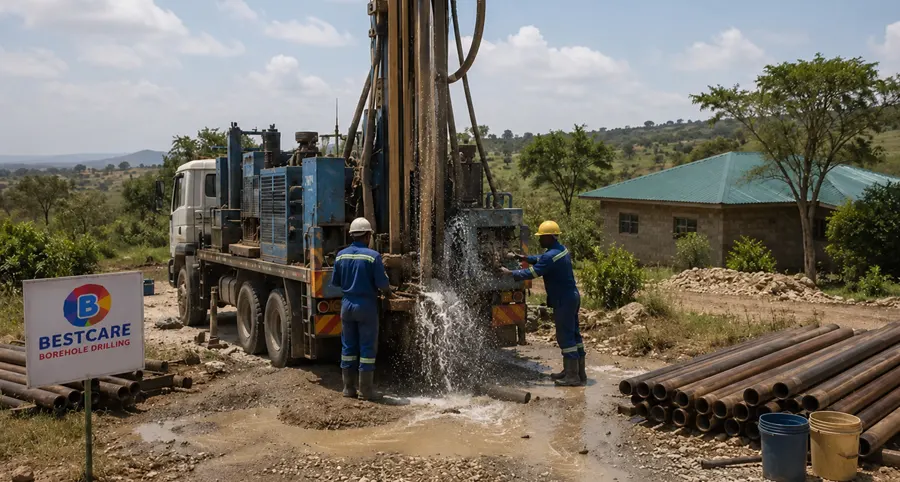
Once the survey and permitting stages are complete, the actual drilling is where the project becomes physical. Borehole drilling methods vary depending on the geology encountered, and choosing the wrong method for the ground conditions is one of the most common causes of delayed timelines and unexpected costs. Bestcare Borehole Drilling operates multiple drilling methods, matching rig and technique to the actual strata rather than applying a one-size-fits-all approach.
Nairobi’s geology shifts considerably even within short distances, from soft overburden and murram near the surface to hard basement rock at depth in many areas. A crew equipped only for soft-ground rotary drilling will struggle, stall, or damage equipment the moment they hit hard rock, which is why having access to multiple methods, and the judgment to know when to switch, matters as much as the equipment itself.
Processes Involved in Borehole Drilling
| # | Process | Purpose |
|---|---|---|
| 1 | Mobilization & Site Setup | Positions rig, equipment, and support vehicles at the confirmed drilling point |
| 2 | Rotary Drilling (Soft to Medium Ground) | Drills through soil, clay, and softer rock formations |
| 3 | Down-The-Hole (DTH) Hammer Drilling | Drills through hard rock formations using percussive air-powered technique |
| 4 | Strata Logging During Drilling | Records geological layers encountered as drilling progresses |
| 5 | Borehole Depth Confirmation | Confirms final drilling depth against survey estimates and actual water strike |
| 6 | Temporary Casing & Hole Stabilization | Prevents collapse of the borehole walls during and after drilling |
1. Mobilization & Site Setup
Getting a rig, compressor, water bowsers, and support equipment onto site and correctly positioned over the confirmed drilling point takes careful coordination, particularly on plots with tight access. This step also includes setting up mud pits or water management for the drilling process itself.
2. Rotary Drilling (Soft to Medium Ground)
Rotary drilling uses a rotating drill bit to cut through softer formations like soil, clay, and weathered rock, often with mud or water circulation to bring cuttings to the surface and stabilize the hole as it’s drilled. This method is efficient for the upper sections of most boreholes before harder rock is reached.
3. Down-The-Hole (DTH) Hammer Drilling
When drilling hits hard basement rock, rotary methods slow down dramatically or stall altogether. DTH drilling uses a percussive, air-powered hammer at the bottom of the drill string to fracture hard rock while compressed air clears cuttings from the hole. Switching to DTH at the right moment keeps the project moving instead of losing days to a struggling rig.
4. Strata Logging During Drilling
As drilling progresses, our crew logs the geological layers encountered, noting changes in rock type, moisture, and any water strikes. This log isn’t just record-keeping, it directly informs decisions on casing depth and screen placement later in the project.
5. Borehole Depth Confirmation
Drilling continues to the depth recommended by the hydrogeological survey, adjusted based on what’s actually encountered in the ground. Final depth is confirmed once a productive water-bearing zone is reached and drilling logs support stopping at that point.
6. Temporary Casing & Hole Stabilization
In unstable ground, temporary casing may be inserted during drilling to prevent the borehole walls from collapsing before permanent casing is installed. This step protects both the hole and the drilling equipment from getting stuck in loose or caving formations.
Estimated Cost of Borehole Drilling Services
| Service | Estimated Cost (KES per meter) |
|---|---|
| Rotary drilling (soft to medium ground) | 2,500 – 3,500 |
| DTH hammer drilling (hard rock) | 3,500 – 5,000 |
| Combined drilling (mixed geology, average rate) | 3,000 – 4,500 |
| Mobilization fee (rig and equipment, one-time) | 30,000 – 60,000 |
| Temporary casing during drilling | 1,500 – 2,500 per meter |
Final cost depends on total depth drilled, ground conditions encountered, and site accessibility.
Frequently Asked Questions
1. How is the drilling method decided? The hydrogeological survey and geological mapping inform the initial plan, but the method is adjusted in real time based on what’s actually encountered as drilling progresses.
2. How deep do boreholes typically go in Nairobi? Depth varies widely by location and geology, ranging from under 50 meters in some areas to well over 150 meters in others.
3. Can drilling switch methods midway if needed? Yes, this is common. A borehole often starts with rotary drilling through softer ground and switches to DTH once hard rock is reached.
4. How long does drilling typically take? This depends on depth and ground conditions, but most residential boreholes are drilled within a few days once mobilized.
5. What happens if water isn’t struck at the estimated depth? Drilling can continue deeper based on strata readings and hydrogeologist guidance, within reasonable limits agreed with the client beforehand.
5 Reasons to Choose Bestcare Borehole Drilling
- Multi-method capability — we operate both rotary and DTH rigs, matching method to ground conditions rather than forcing one approach.
- Real-time strata logging — decisions during drilling are based on what’s actually being encountered, not assumptions.
- Experienced rig operators — our crews know when to switch methods before equipment gets stuck or timelines slip.
- Survey-informed drilling — drilling plans are grounded in the preceding hydrogeological work, not disconnected from it.
- Transparent depth-based pricing — clients understand cost implications as drilling progresses, without hidden surprises.
Drilling is where all the preceding groundwork gets tested against real ground conditions. Bestcare Borehole Drilling’s method flexibility and logging discipline are what keep that stage on schedule and on budget.