


Why a Hydrogeological Survey is Non Negotiable Before Borehole Drilling in Nairobi
Access to clean and reliable water is becoming increasingly important for homeowners, businesses, farms, and institutions in Nairobi. Boreholes have emerged as one of the most dependable solutions, offering long-term benefits such as reduced utility costs, independence from unreliable water supply, and a sustainable water source.
However, before any drilling begins, there is one step you cannot afford to skip: a hydrogeological survey.
Many property owners often view the survey as an optional step or an unnecessary expense, especially when working with tight budgets. But the truth is, a hydrogeological survey is mandatory, essential, and legally required. It ensures technical accuracy, protects your investment, and increases the likelihood of drilling a productive borehole.
Here is why a hydrogeological survey is absolutely non-negotiable before drilling a borehole in Nairobi.
1. It Determines the Exact Drilling Point
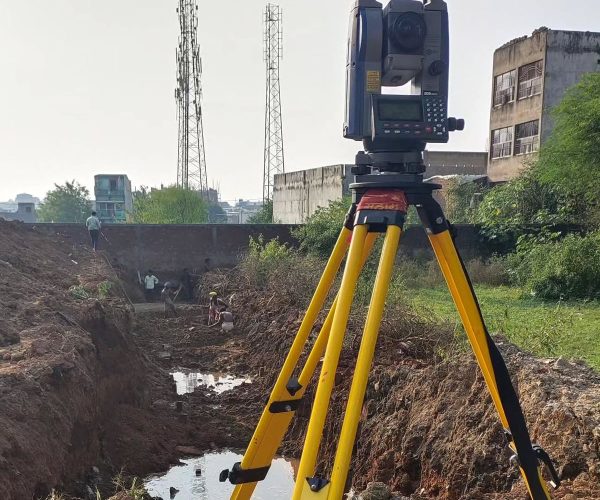
Nairobi’s geology varies widely across neighborhoods from hard volcanic rocks in areas like Lavington and Kileleshwa to deep weathered layers in areas like Kasarani or Embakasi. Drilling without a survey is equivalent to guessing.
A hydrogeological survey uses scientific techniques such as:
Electrical resistivity testing
Geological mapping
Subsurface profiling
These tools help experts identify:
Where underground water is located
How deep the aquifer lies
The best point to drill for maximum yield
Without a survey, you risk drilling a dry borehole or one with very low water output.
2. It Helps Estimate the Borehole Depth and Cost
One of the biggest uncertainties in borehole drilling is estimating how deep the drilling must go to reach the aquifer. In Nairobi, depth can range from 80 meters to over 300 meters depending on the location.
A hydrogeological survey provides a reliable estimate of:
Expected drilling depth
Rock formations likely to be encountered
The possible cost of drilling
This helps in budgeting accurately and prevents unexpected financial shocks during the drilling process.
3. It Prevents Drilling Dry or Low-Yield Boreholes
Drilling a borehole is a major investment, and nothing is more disappointing than discovering that the borehole you spent hundreds of thousands on has little to no water.
A hydrogeological survey assesses:
Aquifer capacity
Estimated water yield
Recharge rates
Sustainability of the groundwater source
This ensures you drill in a location with adequate, long-lasting water supply.
4. It Is a Legal Requirement in Kenya
In Kenya, you cannot legally drill a borehole without first conducting a hydrogeological survey. Regulatory authorities require it to manage groundwater resources responsibly and avoid over-extraction.
Before drilling begins, you must submit:
A hydrogeological survey report
The proposed drilling coordinates
Expected depth and yield
Skipping this step can result in penalties, drilling stoppage, or refusal of borehole registration. A licensed drilling company will always insist on a proper survey to comply with national regulations.
5. It Protects You from Unnecessary Costs and Losses
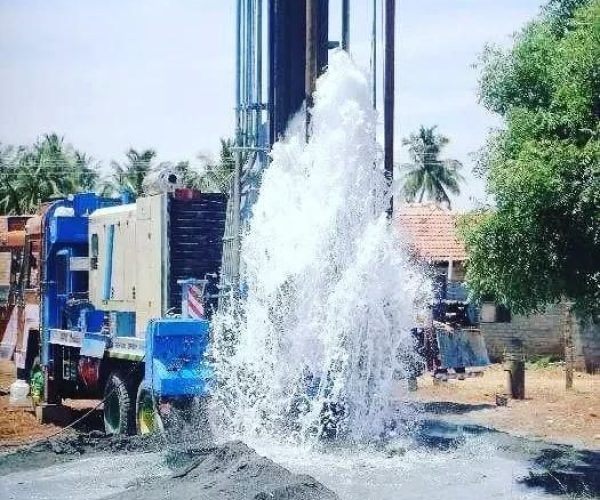
Drilling without a survey is extremely risky. You may end up with:
A dry borehole
Excessive drilling depth beyond what is necessary
Damaged equipment
High repair and maintenance expenses
A proper survey dramatically reduces these risks by guiding the drilling team with accurate scientific data.
This single step can save you hundreds of thousands of shillings in the long run.
6. It Ensures Safe and Environmentally Responsible Drilling
Groundwater is a shared natural resource. Over-drilling or mismanaged drilling can lead to environmental challenges such as:
Water table depletion
Saline water intrusion
Aquifer contamination
Soil instability
A hydrogeological survey helps experts identify safe drilling points and ensures the project does not harm the environment or neighboring water sources.
7. It Guides Proper Borehole Design
A borehole is more than just a hole in the ground. It must be designed to match:
Geological conditions
Aquifer depth
Water pressure
Rock formations
The hydrogeological survey provides essential data for:
Determining casing sizes
Selecting proper screens
Calculating the correct pump size
Designing gravel packing
Ensuring long-term structural stability
Without this information, even a water-rich borehole can fail due to poor design.
8. It Helps Predict Pumping Efficiency and Energy Costs
Your borehole’s long-term operational cost depends on how deep the pump is installed and the power required to draw water. The survey helps estimate:
Pump installation depth
Expected pumping rate
Recommended pump type
Energy consumption
This allows you to choose the most efficient pump and avoid high electricity bills or frequent pump failures.
9. It Reduces Disputes with Neighbors and Other Borehole Owners
Some Nairobi neighborhoods have multiple boreholes, and over-pumping can lead to water shortages or conflicts. A proper hydrogeological survey:
Evaluates the distance between boreholes
Assesses aquifer pressure
Recommends suitable spacing
Protects groundwater sustainability
This helps you avoid disputes or accidental interference with nearby boreholes.
10. It Improves the Success Rate of Your Entire Borehole Project
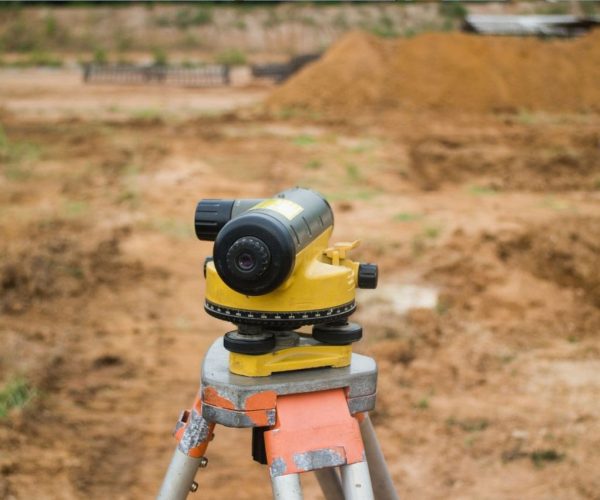
Overall, the hydrogeological survey sets the foundation for a reliable, high-yield, long lasting borehole. It ensures that every decision from site selection to drilling depth to pump installation is driven by scientific data.
In Nairobi’s diverse and complex geological landscape, a survey increases the success rate of borehole drilling significantly.
A hydrogeological survey is not an optional step it is the backbone of a successful borehole drilling project in Nairobi. It provides essential insights into underground water conditions, protects your investment, ensures compliance with Kenyan laws, and promotes sustainable groundwater use.
If you plan to drill a borehole, always start with a professional hydrogeological survey. It is the smartest and most cost effective move you can make.
