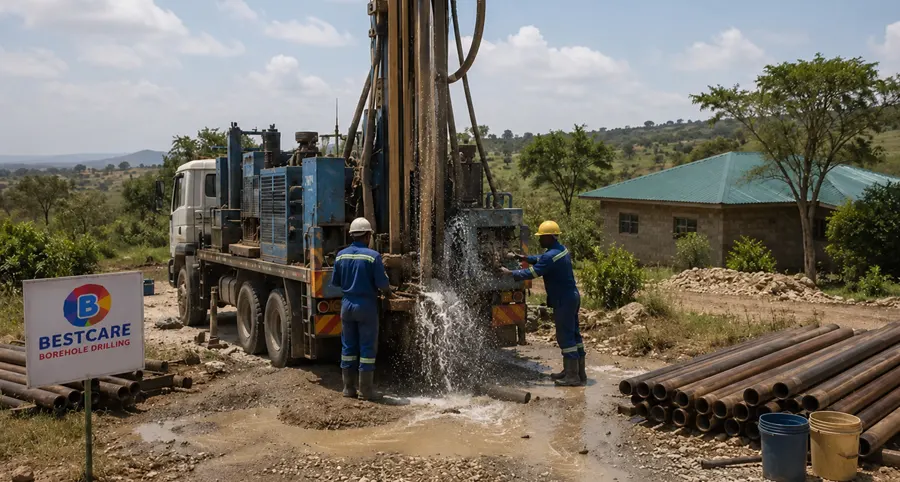
Drilling site safety protocols are the specific, actionable rules and procedures that translate a health and safety policy into daily practice on the ground. Where general safety principles define the what and why, protocols define the how — the step-by-step procedures that workers follow to perform hazardous activities safely. Effective protocols are clear, practical, routinely communicated, and consistently enforced.
Pre-Mobilisation Safety Requirements
Before the rig arrives on site, a series of preparatory safety measures must be in place:
Site Hazard Assessment: A walk-over inspection of the site identifies specific hazards: overhead power lines, underground services, unstable ground, proximity to watercourses, community access points, and any other site-specific risks. These hazards must be assessed and managed before drilling begins.
Overhead and Underground Services: The presence of overhead power lines within the swing radius of the mast or within falling distance presents a serious electrocution risk. If lines cannot be physically relocated, a minimum safe working distance must be established and enforced. Underground utilities (water pipes, fuel lines, electrical cables) should be identified from service records and located on site before any excavation.
Site Establishment: The rig pad should be level and capable of supporting the weight of the drilling rig under all operating conditions. Soft or waterlogged ground must be stabilised. The site perimeter should be defined, and where public access is possible, secure fencing erected.
Emergency Provisions: A first aid kit stocked to the applicable regulatory standard must be on site at all times. Emergency contact numbers (nearest hospital, ambulance service, site management) should be posted conspicuously in the crew shelter or cab. All workers should know the evacuation route and assembly point.
Daily Safety Protocols
Pre-Start Toolbox Talk
Each working day should begin with a brief toolbox talk — a 10–15 minute safety briefing led by the drill supervisor or rig master. The toolbox talk addresses:
- The specific tasks planned for the day and their associated hazards.
- Any changes in site conditions (new personnel, weather, equipment changes).
- Reminders of specific procedures relevant to the day’s activities.
- Review of any incidents or near-misses from the previous shift.
Toolbox talks should be recorded: date, attendees, and topics covered. These records demonstrate due diligence and help identify whether specific hazards are being consistently communicated.
Pre-Operational Equipment Checks
Before starting the rig each day:
- Inspect all safety guards: drill string guards, rotating part guards, and elevated platform handrails must be in place and undamaged.
- Check hydraulic hoses and fittings for leaks or wear.
- Test emergency stop functionality.
- Confirm that the drill string area is clear of personnel before rotation begins.
- Inspect lifting equipment (slings, hooks, shackles) for wear or deformation; any defective lifting gear must be removed from service immediately.
Working Near the Drill String
Entanglement with the rotating drill string is one of the most serious hazards on a drilling site. Strict protocols apply:
- No loose clothing, scarves, or jewellery near the rotating string.
- Long hair must be tied back and covered.
- No one stands within the designated exclusion zone while the string is rotating.
- Only the driller and authorised personnel are permitted on the rig floor during drilling.
- All drill rod make-up and break-out operations use properly maintained tongs and safety clamps — never improvised tools.
Lifting Operations
Drill rods, casing sections, and pump assemblies must be lifted using rated, inspected equipment. Specific lifting protocols include:
- All lifts planned in advance; the weight of the load confirmed before rigging.
- No personnel under a suspended load at any time.
- A designated signaller guides the crane or winch operator during all lifts.
- Tag lines used to control swing on heavy loads.
- Casing sections secured with casing clamps before being released from the hoisting equipment.
Chemical Handling Protocols
Drilling Additives
Drilling additives (polymers, foam agents, lubricants) should be handled with gloves and eye protection. Safety Data Sheets (SDS) for all chemicals used must be on site and accessible to all workers.
Acid Treatments
Where acid is used for borehole development or rehabilitation:
- Acid must be handled only by trained personnel wearing full chemical-resistant PPE: acid-resistant gloves, apron, face shield, and eye wash immediately available.
- Acid should never be transported in open containers.
- Acid must always be added to water, never water to acid.
- Spent acid must be neutralised before disposal; dispose of neutralised waste in a designated area, never into the borehole environment or watercourse.
Chlorine
Chlorine for disinfection (hypochlorite solutions) must be stored away from direct sunlight and heat, handled with gloves and eye protection, and never mixed with acid or other chemicals.
Incident and Near-Miss Reporting
Every site must have a functioning incident reporting system. Workers must be actively encouraged — and must never be discouraged or penalised — for reporting near-misses and minor incidents. An environment in which workers fear blame for honest reporting is an environment where major incidents are incubating silently.
Following any incident, a simple investigation identifies the immediate cause, the underlying contributing factors, and the corrective action required. The objective is learning and prevention, not punishment.
Visitor Management
Drilling sites attract curiosity. Community members, local officials, and the client’s representatives regularly visit. All visitors must:
- Be registered on arrival.
- Receive a site safety induction before entering the working area.
- Be accompanied by a site representative at all times.
- Wear the minimum required PPE for the area they are visiting.
Children must not be permitted on active drilling sites under any circumstances.