


Essential Maintenance Tips to Ensure Your Borehole Lasts for Long in Kenya
Investing in a borehole is one of the most reliable ways to secure a consistent water supply in Kenya. Whether it’s for a residential home, commercial property, farm, school, or industrial facility, a well-maintained borehole can provide clean water for decades. However, the lifespan and performance of your borehole depend heavily on the level of care and maintenance it receives.
In Kenya where water scarcity, fluctuating weather conditions, and varying geological formations can affect underground water sources regular borehole maintenance is essential. Proper care ensures uninterrupted water flow, protects your pump, prevents contamination, and reduces costly repairs.
Below are essential maintenance tips to ensure your borehole lasts for long in Kenya.
1. Schedule Professional Borehole Inspections Annually
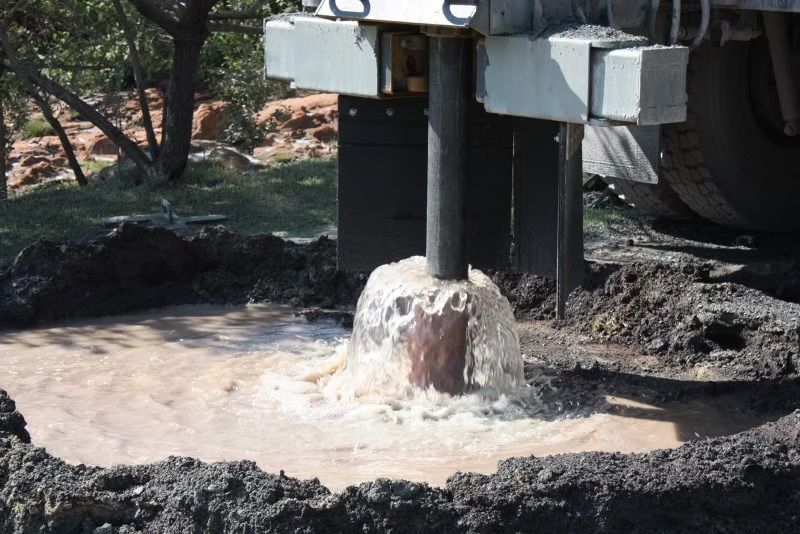
A borehole is a deep system, and issues often develop out of sight. Regular inspections are the first step toward ensuring your borehole functions efficiently. Professionals typically assess:
Static and dynamic water levels
Pump efficiency
Flow rate and pressure
Electrical controls and wiring
Integrity of the borehole casing
Condition of the headworks
Annual inspections help identify hidden problems—such as declining water yield, pump wear, or contamination risks—early enough before they become expensive repairs.
2. Conduct Water Quality Testing Every 6–12 Months
Although borehole water is naturally filtered underground, it is not immune to contamination. Kenya has diverse geological zones, and water quality can be affected by:
Nearby septic tanks
Agricultural chemicals
Industrial effluents
High mineral concentrations
Soil leaching or silt infiltration
Annual or semi-annual water testing ensures your water meets KEBS drinking water standards. Key parameters tested include:
Bacteria (E. coli, coliforms)
Nitrates and nitrites
pH level
Iron and manganese
Fluoride levels (especially high in Rift Valley regions)
Total dissolved solids (TDS)
If contamination is detected, filtration and water treatment systems can be installed to restore quality.
3. Monitor Borehole Yield and Flow Rate
Your borehole yield may change over time due to:
Seasonal rainfall patterns
Aquifer recharge rates
Silt and debris accumulation
Pump inefficiencies
Blocked screens
A noticeable decline in water pressure or flow rate is a sign that your borehole needs immediate attention. Regular monitoring helps prevent pump burnout and ensures consistent water supply for household or commercial use.
4. Protect the Borehole Headworks
Surface protection is crucial in preventing contamination and physical damage. Make sure your borehole head is properly constructed and secured with:
A sealed and lockable borehole cap
A concrete or paved apron around the borehole
Proper drainage to divert surface runoff
A raised platform to prevent floodwater entry
Additionally, ensure that no chemicals, fertilizers, waste, or oils are stored near the borehole head.
5. Service the Borehole Pump Regularly
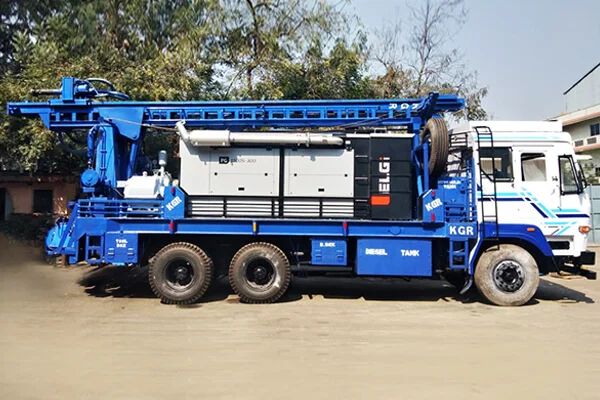
The pump is the most critical—and most expensive—component of a borehole system. In Kenya, where voltage fluctuations and power outages are common, pump maintenance is vital.
Key pump maintenance tasks include:
Checking motor functionality
Monitoring power consumption
Cleaning pump components
Inspecting valves and pipework
Lubricating moving parts (for specific pump types)
Checking for unusual vibrations or noise
On average, borehole pumps last 7–15 years, depending on usage and maintenance. Servicing every 1–2 years greatly increases pump lifespan and efficiency.
6. Clean the Borehole Screen and Casing
Over time, your borehole can accumulate:
Silt
Sand
Algae
Iron and calcium deposits
Biofilm
These block the screen and casing, reducing water flow and straining the pump. Professional cleaning methods include:
Air lifting
Mechanical brushing
High-pressure jetting
Chemical treatment (safe and approved chemicals)
Cleaning every 2–3 years helps restore optimal yield and prevents pump overload.
7. Install Proper Electrical Protection
Kenya’s frequent voltage fluctuations can easily damage borehole control panels and pumps. Protect your system by installing:
Surge protectors
Voltage stabilizers
Quality MCBs and control panels
Automatic pump controllers
These devices safeguard your pump from sudden power surges, dry-running, or electrical faults.
8. Secure and Maintain the Surrounding Area
The borehole should be located in a clean, well-maintained environment. Keep the area free from:
Overgrown vegetation
Deep-rooted trees (roots can damage pipes)
Livestock access
Waste dumping
Good housekeeping reduces contamination risks and protects the integrity of the borehole infrastructure.
9. Maintain Clear Records of All Borehole Work
A maintenance log is essential for tracking your borehole’s health. Record:
Dates of inspections and servicing
Water quality test results
Pump repairs or replacements
Cleaning and rehabilitation work
Any sudden changes in yield or performance
This documentation helps technicians diagnose problems accurately and plan long-term maintenance strategies.
10. Work With Licensed and Experienced Borehole Experts
Borehole systems require specialized skills. Attempting DIY repairs can cause irreversible damage, contamination, or pump failure.
Always work with certified and experienced professionals for:
Borehole cleaning
Pump installation and repairs
Electrical panel servicing
Water testing
Annual inspections
Professionals understand Kenya’s geological conditions and regulation requirements, ensuring your borehole remains safe and functional.
A well-maintained borehole can last 20 to 50+ years, providing clean, reliable water for homes, farms, and businesses across Kenya. By following the maintenance tips above regular inspections, pump servicing, water testing, and professional care you protect your investment and avoid unnecessary breakdowns.
Whether you already have a borehole or plan to drill one, proper maintenance is key to ensuring long-term durability and consistent water supply.

