


Borehole Drilling Process Step-by-Step Guide for Property Owners in Kenya
Drilling a borehole in Kenya is a life-changing investment, whether you are a homeowner, business owner, or institution. It guarantees a reliable, long-term water supply and reduces dependency on municipal water, especially in areas with rationing or unreliable access. However, many property owners start the project without fully understanding what the process involves, which can lead to confusion, delays, and unexpected costs.
This step-by-step guide explains what to expect during the borehole drilling process in Kenya, from the initial assessment to final water pumping. Understanding each stage helps you prepare better, choose the right contractor, and ensure your project runs smoothly.
1. Initial Site Visit & Consultation
The drilling company begins with a visit to your property. During this consultation they will:
Assess accessibility for drilling rigs and trucks
Check space for equipment and waste management
Discuss your water needs (domestic, farming, commercial)
Explain the requirements including permits and surveys
This helps determine the feasibility of drilling and ensures you understand what the project entails.
2. Conducting a Hydrogeological Survey (Mandatory in Kenya)
Before drilling begins, Kenyan law requires a hydrogeological survey. This survey is performed by a licensed hydrogeologist and helps determine:
The depth at which water is likely to be found
The geological layers beneath your property
The expected yield (water quantity)
The best drilling location
Borehole design recommendations
The hydrogeologist produces a Hydrogeological Survey Report, which is then submitted to the Water Resources Authority (WRA) for approval.
Without this survey, the borehole cannot be legally drilled and your project may be shut down or penalized later.
3. Applying for Permits (WRA & NEMA)
Once the hydrogeologist completes the survey, you must apply for the required permits:
WRA Water Permit – allows drilling of the borehole
NEMA Environmental Impact Assessment (EIA) – depending on county and borehole depth
County Government approval – drilling activity permissions
A professional drilling contractor will help you process these documents. Permit approval typically takes between 2 and 4 weeks, depending on the region.
4. Mobilization of Drilling Equipment
When permits are approved, the drilling company mobilizes machinery to the site. You should expect:
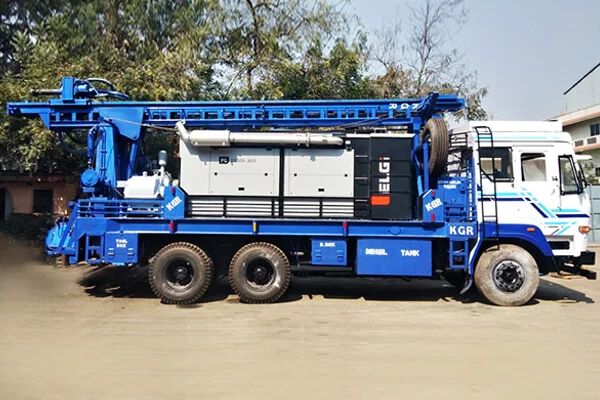
Large drilling trucks
Compressor units
Support vehicles
Water tanks or bowsers
Casing pipes, tools, and accessories
It is important to have enough space in your compound to accommodate heavy machines. Ensure the access road is clear to avoid delays.
5. Drilling the Pilot Hole
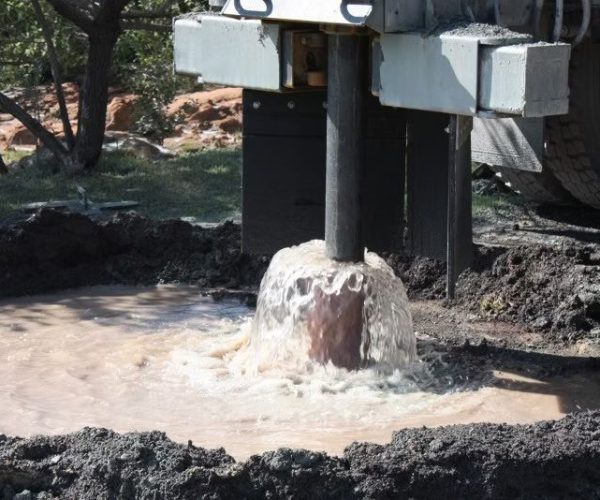
The drilling team begins by setting up the rig and drilling the pilot hole, usually 10–12 inches in diameter. This stage involves:
Penetrating soil layers
Reaching bedrock
Monitoring geological formations
Recording drill depth and rock types
Drilling speed depends on soil hardness. Soft soil may drill quickly, while rocky zones take more time. Expect noise and vibrations, as drilling rigs are powerful machines.
6. Borehole Drilling to Final Depth
After the pilot hole, drilling continues until the hydrogeologist’s recommended depth is reached or until water is encountered in significant quantity. During this phase, you should expect:
Cuttings (broken rock pieces) being expelled
Water being pumped into the hole to cool drilling tools
Continuous geological logging
Identification of water-bearing zones (aquifers)
Depending on your area, depths range between:
120–200 meters in many residential areas
200–350 meters in rocky or semi-arid regions
The drilling process typically takes 1 to 3 days depending on depth and terrain.
7. Installing the Borehole Casing
Once the desired depth is achieved, the next step is installing the casing. The casing helps prevent:
Wall collapse
Contamination from upper layers
Entry of sand or debris
Common casing materials in Kenya include:
PVC casing – lightweight, cost-effective
Steel casing – durable, suitable for harsh conditions
A gravel pack (filter material) is usually placed between the casing and the borehole wall to improve water filtration.
8. Borehole Development
Borehole development is one of the most important stages. The aim is to clean the borehole and encourage water to flow freely. The contractor will:
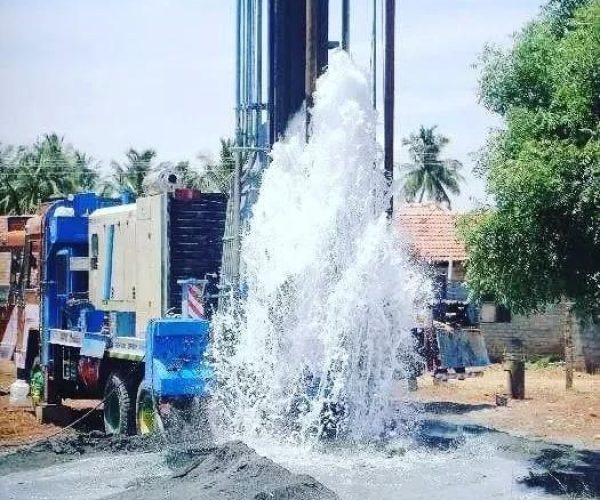
Flush the borehole using pressurized air
Clean fine materials from the aquifer
Stabilize the water column
Improve yield and water quality
This step ensures the borehole produces clean, sustainable water for years.
9. Test Pumping the Borehole
After development, the borehole undergoes test pumping to:
Measure water yield (liters per hour)
Determine drawdown levels
Identify recharge rate
Assess long-term sustainability
Test pumping normally lasts 8–24 hours depending on WRA requirements.
The data collected is analyzed by the hydrogeologist to determine:
Suitable pump size
Maximum allowable pumping rate
Well performance
A Test Pumping Report is then prepared and submitted to WRA for borehole registration.
10. Water Quality Analysis
Before using the borehole water, it must be tested for:
Bacteriological contamination
Chemical composition (pH, hardness, salinity, iron, fluoride)
Physical properties (turbidity, color, odor)
This ensures the water is safe for domestic, industrial, or irrigation use. Accredited laboratories carry out these tests and provide a Water Quality Report.
11. Borehole Completion Report
The hydrogeologist and drilling contractor compile a Borehole Completion Report, summarizing:
Final drilling depth
Geological formations encountered
Water strike zones
Casing details
Test pumping results
Water quality findings
This report is essential for future maintenance, repairs, or pump upgrades.
12. Pump Installation (Optional)
Pump installation is usually a separate project from drilling. Depending on your water needs, you may choose:
Submersible electric pumps
Solar-powered borehole pumps
Hybrid pumps
The hydrogeologist will recommend the pump size ideal for your well based on test pumping data.
13. Site Cleanup and Demobilization
Once drilling and testing are complete, the contractor will:
Remove drilling machinery
Dispose of cuttings and waste
Restore the drilling area
Ensure safety around the wellhead
A good company will leave your property clean and stable.
Drilling a borehole in Kenya is a detailed, regulated process that requires time, expertise, and proper planning. By understanding each stage from the hydrogeological survey to final pump installation you can manage your expectations and make informed decisions. Partnering with an experienced and licensed drilling company ensures the borehole is efficient, long-lasting, and compliant with Kenyan water regulations.
