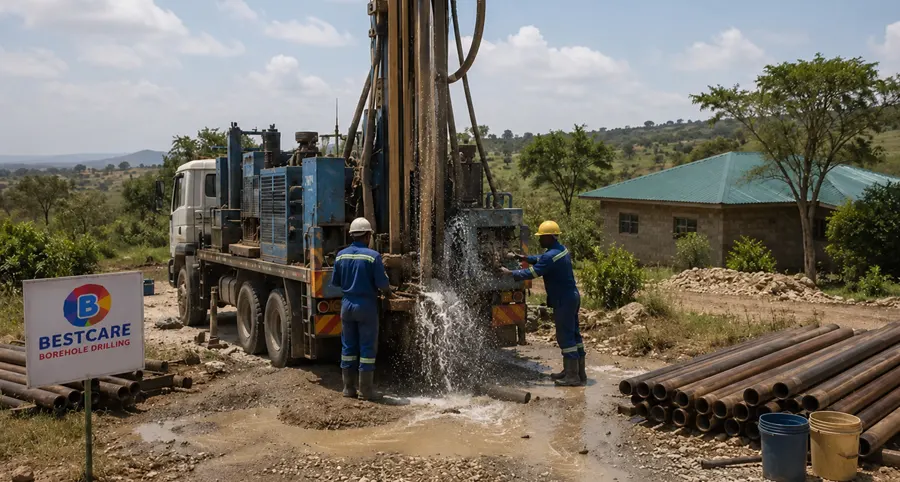
A borehole isn’t a permanent, maintenance-free asset. Pumps wear down, casings can silt up, and yield can shift over time as water tables fluctuate seasonally. Borehole maintenance and servicing keeps an existing system performing reliably, while borehole rehabilitation brings underperforming or failed boreholes, including many drilled by other contractors, back to productive use. Bestcare Borehole Drilling handles both as a core part of the business, not an occasional side service.
A surprising number of our maintenance callouts turn into full rehabilitation jobs once we inspect a borehole that was never properly cased, screened, or developed in the first place.
Processes Involved in Borehole Maintenance, Servicing, and Rehabilitation
| # | Process | What It Involves |
|---|---|---|
| 1 | Borehole Inspection & Diagnosis | Assessing pump performance, yield, and structural condition |
| 2 | Pump Servicing & Repair | Cleaning, repairing, or replacing worn pump components |
| 3 | Borehole Cleaning & Desilting | Removing sediment and debris affecting yield |
| 4 | Casing & Screen Inspection | Checking for corrosion, collapse, or blockage |
| 5 | Redevelopment & Yield Restoration | Restoring flow through the aquifer-borehole interface |
| 6 | Recommissioning & Performance Verification | Confirming restored yield and system function |
1. Borehole Inspection & Diagnosis
Every maintenance or rehabilitation job starts with a diagnostic inspection, checking pump output against original design specs, reviewing water level and yield data, and where needed, running a camera survey down the borehole to physically inspect casing and screen condition.
2. Pump Servicing & Repair
Submersible pumps are pulled and inspected for worn impellers, motor issues, or cable damage. Depending on findings, we service, repair, or replace components, since a borehole with excellent yield is still useless if the pump delivering that water has failed.
3. Borehole Cleaning & Desilting
Sediment accumulation at the bottom of a borehole reduces effective depth and can clog screens, gradually choking off yield. We use appropriate cleaning techniques, including air-lifting or bailing, to remove accumulated silt and restore the borehole’s original working depth.
4. Casing & Screen Inspection
Corroded steel casing or collapsed sections are common causes of borehole failure over time. We inspect casing integrity and screen condition, identifying blockages from mineral encrustation or biofouling that restrict water entry into the borehole.
5. Redevelopment & Yield Restoration
Where yield has dropped due to clogging at the aquifer-screen interface, we redevelop the borehole using surging, jetting, or airlift techniques to clear fine particles blocking water flow, often restoring yield close to original levels without needing to redrill.
6. Recommissioning & Performance Verification
Once servicing or rehabilitation work is complete, we run a fresh test pump to confirm restored yield and verify the pump and control system are functioning correctly before handing the borehole back into regular use.
Estimated Cost of Borehole Maintenance, Servicing, and Rehabilitation
| Service | Estimated Cost (KES) |
|---|---|
| Borehole inspection & diagnosis | 5,000 – 12,000 |
| Pump servicing (pull, clean, reinstall) | 15,000 – 35,000 |
| Pump repair/replacement | 30,000 – 150,000 |
| Borehole cleaning & desilting | 25,000 – 60,000 |
| Camera survey inspection | 15,000 – 30,000 |
| Full rehabilitation (redevelopment + servicing) | 80,000 – 250,000 |
Costs vary with borehole depth, extent of damage, and pump type.
Frequently Asked Questions
1. How often should a borehole pump be serviced? Annual servicing is generally recommended, though heavily used commercial or agricultural boreholes may need servicing more frequently.
2. What are signs that a borehole needs rehabilitation? Declining yield, cloudy or sediment-heavy water, unusual pump noise, or a sudden drop in pressure are all common indicators.
3. Can a borehole with declining yield be restored without redrilling? In many cases yes, especially if the decline is due to clogging or silt buildup rather than genuine aquifer depletion.
4. Do you service boreholes originally drilled by other contractors? Yes, a significant portion of our maintenance and rehabilitation work involves boreholes drilled elsewhere.
5. How long does a typical rehabilitation project take? Most rehabilitation work is completed within 2–5 days, depending on the extent of cleaning, redevelopment, or component repair needed.
5 Reasons to Choose Bestcare Borehole Drilling
- Diagnostic-first approach — we identify the actual cause of underperformance before recommending repair work.
- Rehabilitation expertise — years of rescuing poorly drilled or neglected boreholes give us a strong read on common failure points.
- Full pump and structural coverage — we service both the mechanical system and the borehole structure itself, not just one or the other.
- Yield verification — every job concludes with test pumping to confirm actual restored performance, not just a visual check.
- Preventive maintenance plans — ongoing servicing schedules help clients avoid costly rehabilitation down the line.